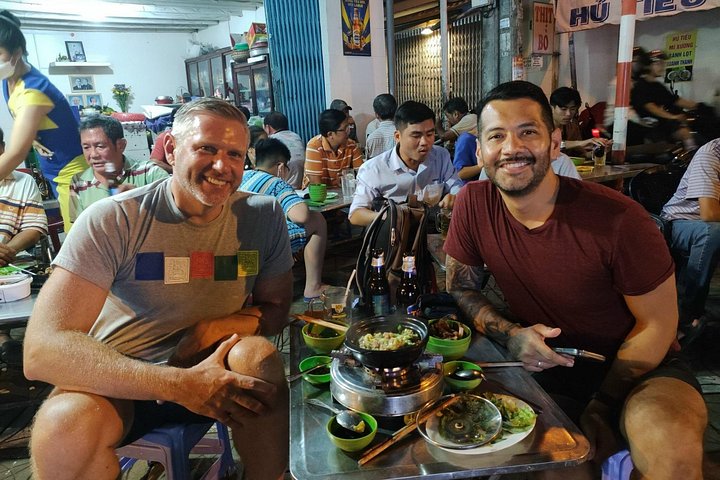
Food is one of the strongest reasons to visit the Mekong Delta. Can Tho sits at the centre of a region that grows rice, fruit and vegetables and catches fish from rivers and canals, and its cooking reflects that abundance. This guide explains what delta food tastes like, how to order and where to learn more.
The flavour of the delta
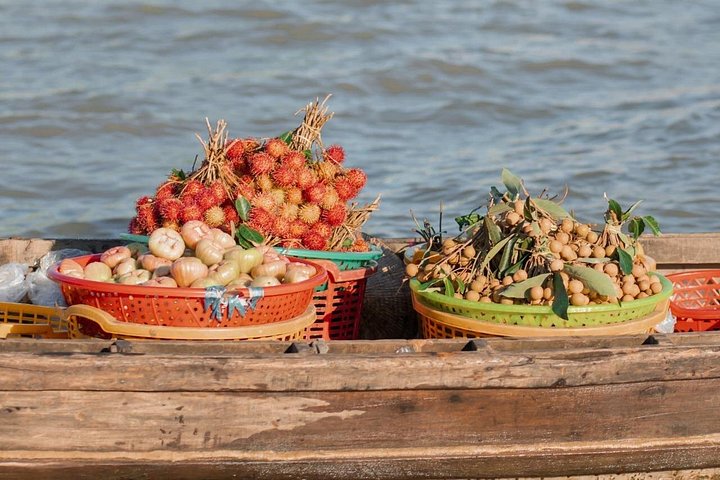
Compared with northern Vietnam, delta cooking is often a little sweeter, with palm sugar, coconut and fresh herbs playing starring roles. Sour soups with fish or tamarind, caramelised fish in clay pots, grilled river fish wrapped in rice paper, and plates of herbs and greens appear everywhere. Fruit is central too, with pineapple, pomelo, rambutan, longan and mangosteen according to season, and many meals end with a plate of cut fruit.
Noodles for every hour
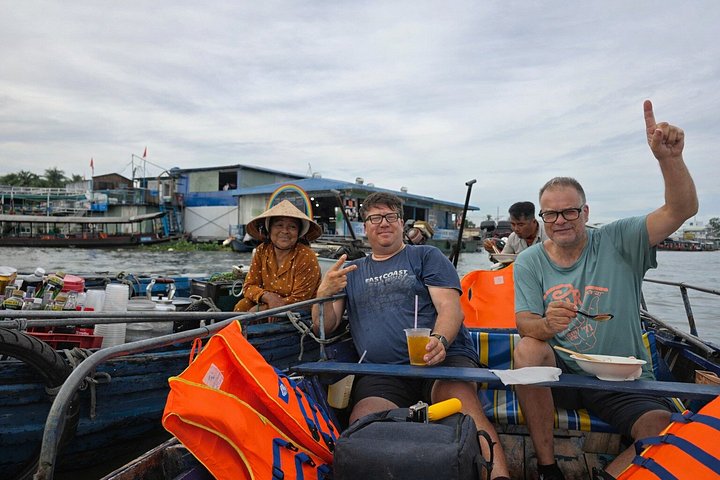
Rice noodles anchor breakfast and lunch. You will find vermicelli with fish broth, noodle soups with pork or duck, and dry noodle plates with herbs and sauces. Visit a floating market for noodle soup served from a boat, and join a workshop to see how noodles are made. Breakfast is early, and many stalls close by mid-morning, so plan accordingly.
Street snacks and grills
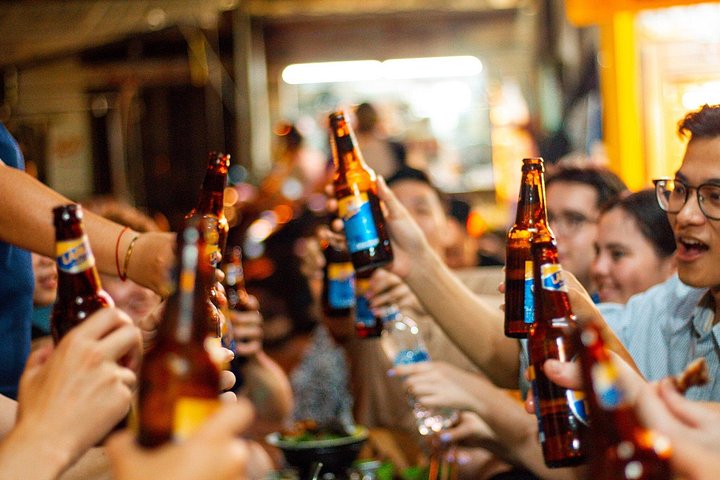
Evenings in Can Tho are made for walking and snacking. Grilled meats on skewers, seafood on charcoal, savoury pancakes, rice paper rolls and fried snacks fill stalls near the waterfront and in side streets. Order a few items at a time, share plates and watch how locals season with chilli, lime and fish sauce. A guided food tour, on foot or pillion, is the fastest route to the best stalls.
Desserts and drinks
Che, a sweet soup with beans, jelly, coconut cream and ice, is the classic dessert, and there are dozens of versions. Sugarcane juice, coconut water and iced Vietnamese coffee keep you cool, and fresh fruit shakes are cheap and plentiful. Ask for less sugar if you prefer. Beer is cheap, and local rice spirits appear in homestays, so pace yourself in the heat.
Eating safely
Choose busy stalls where food is cooked in front of you, and avoid anything that has been sitting out. Drink bottled water, and treat ice with common sense: ice in reputable restaurants is usually made from treated water. Wash your hands or use sanitiser before eating, carry tissues and keep your stomach happy by introducing new foods gradually. Tell your guide about allergies, because fish sauce and shrimp paste appear in many dishes.
Vegetarian and vegan eating
Buddhist communities in the delta eat vegetarian on certain days, and you will see vegetarian restaurants offering mock meats, tofu and vegetables. Look for the word chay on signs. Many food tours and cooking classes can adapt to vegan or vegetarian diets if you tell them in advance, and the titles of some say so explicitly. Ask whether broths and sauces contain fish.
Cooking classes and workshops
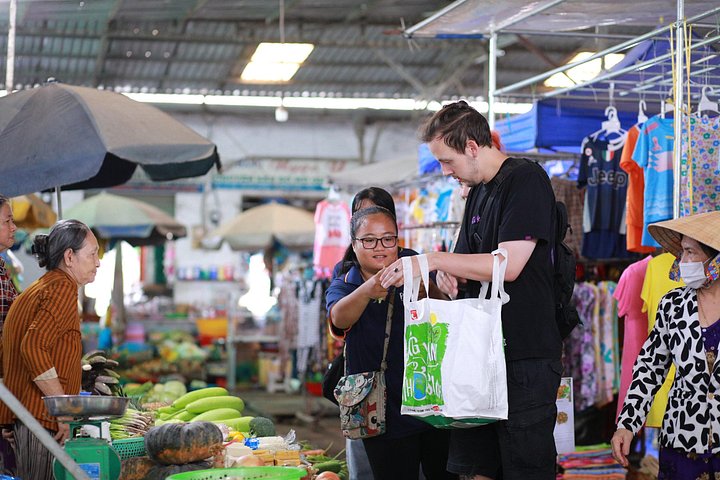
A countryside cooking class is a relaxed way to learn the basics, from rolling spring rolls to balancing a dipping sauce. Many classes include a market or garden visit. A rice noodle workshop adds a craft element and pairs well with a morning at the floating market. Ask for the recipes and note where to buy fish sauce and herbs at home.
Breakfast and coffee culture
Breakfast in the delta starts early and is often a bowl of noodle soup, a baguette filled with pork and herbs, or sticky rice with a savoury topping. Coffee is strong, sweet and served over ice, and it is often sipped slowly in a roadside cafe on a low plastic chair. If you like to watch the world go by, a riverside cafe in the morning or at dusk is one of the great simple pleasures of the city, and an iced coffee costs very little.
Practical tips
Carry small notes for stalls, ask the price before ordering if there is no menu and learn a few phrases such as thank you and delicious. Eat where locals eat, and do not be shy about pointing to what you want. Keep an open mind and a hearty appetite, and allow at least one evening in Can Tho for a proper food crawl. Finish each meal with fruit or a sweet soup, and ask your host which dish they would cook for their own family.