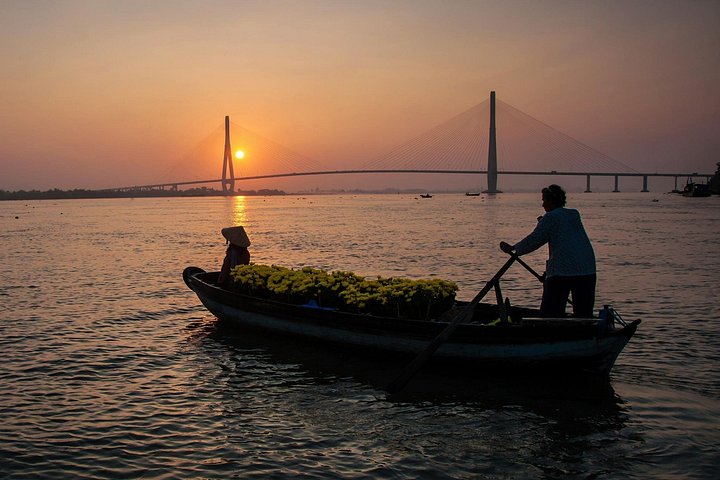
Floating markets are the signature sight of the Mekong Delta, and Can Tho has two of the most famous. They look similar in photographs, but they feel very different on the water. This guide compares them, explains how the trade works and helps you decide which to visit.
What a floating market is
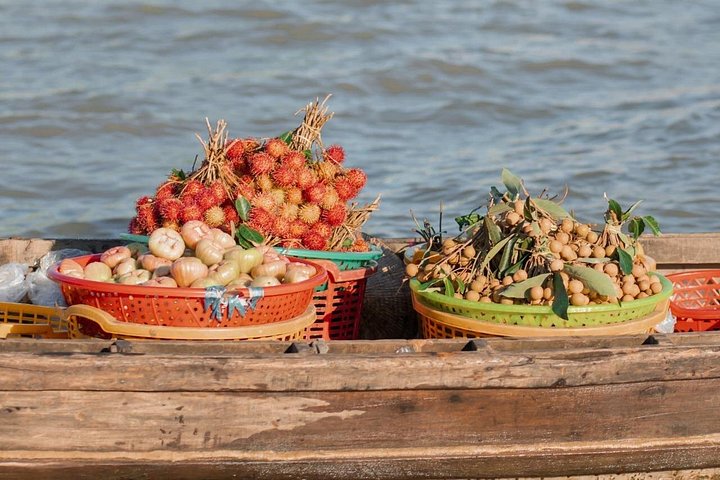
In a region where rivers were the first roads, boats became shops. Wholesale boats carry loads of fruit and vegetables from farms to traders, who then sell on to shops and markets. Small retail boats sell snacks, coffee and noodles to everyone. Today roads have taken much of the trade, and the markets are smaller than they once were, but they remain a working part of the local economy and an extraordinary sight.
Cai Rang
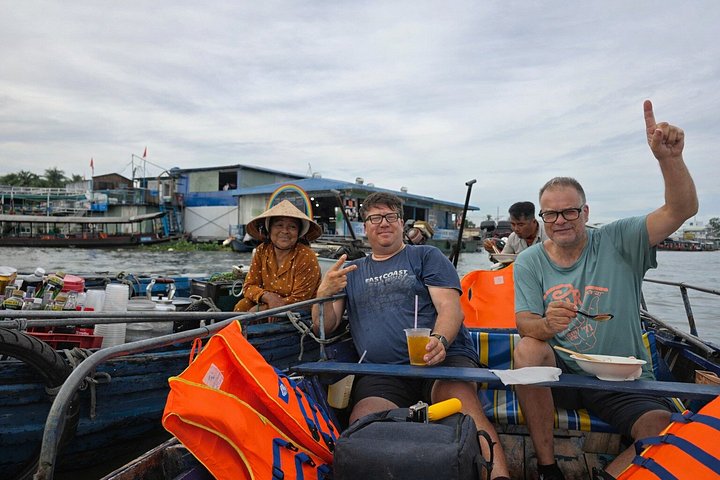
The largest floating market in the delta sits on the Hau River close to Can Tho. It is the easiest to reach, the busiest and the most photogenic, with big boats crowded together and goods hanging from poles. Visitor boats are common, so the atmosphere is a mix of trade and tourism. Go at sunrise, when trading peaks. The Cai Rang sunrise tour and the market-and-fruit-garden tour are the classic ways to see it.
Phong Dien
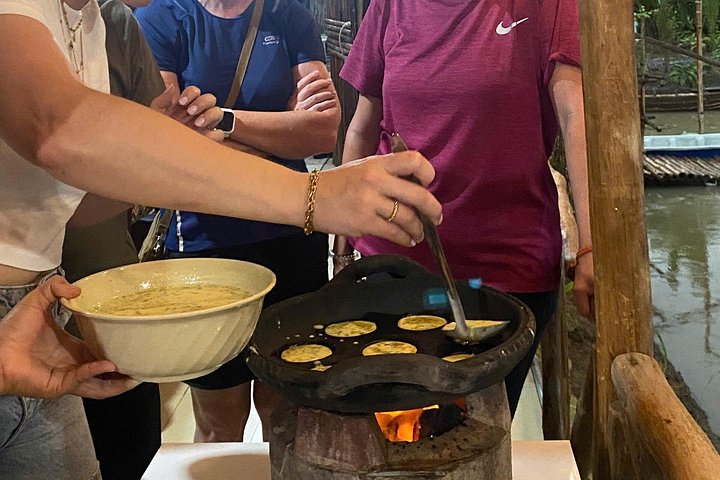
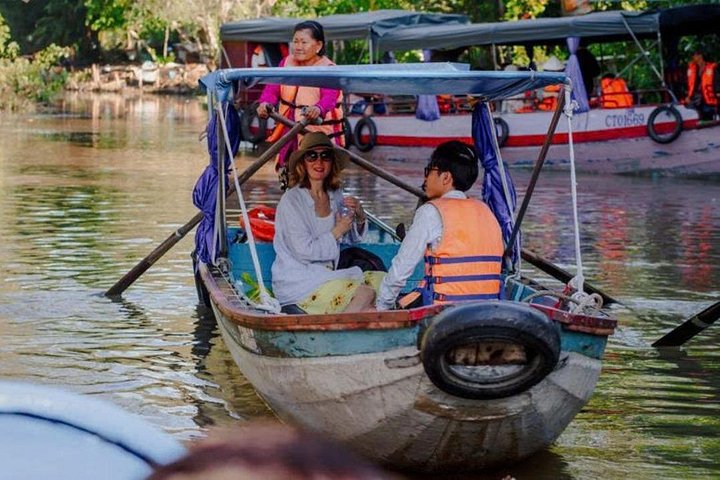
Phong Dien is smaller, quieter and further from the city. It has fewer visitors and a more local feel, with small boats trading among palm trees. It suits travellers who prefer a gentler experience or who are returning to the delta and want something different. The bike-and-cook day pairs it with a cycling ride and a cooking session, which makes the market the start of a longer story.
Which should you choose?
If you have time for only one, choose Cai Rang for scale and spectacle. If you have time for two, add Phong Dien for contrast. If you dislike crowds or early starts, consider Phong Dien and arrive at the earliest hour you can manage. If you are travelling with children, Cai Rang is more dramatic, while Phong Dien is calmer and easier to enjoy.
How the poles work
A tall pole on each wholesale boat displays a sample of the cargo. A pineapple on the pole means pineapples; a sweet potato means sweet potatoes. A boat that is for sale sometimes hangs a sign. It is an elegant system that works from a distance, and it makes a floating market a fascinating place to read.
Etiquette on the water
Be polite and calm. Ask before taking photographs of individuals, avoid leaning out of the boat, and keep your voice low. Buy from a vendor if you take a photograph at close range, and carry small notes. Do not throw rubbish into the river, and refuse plastic bags where you can. Wear a life jacket if one is offered, particularly with children.
Pairing markets with other stops
Markets end by mid-morning, so pair them with something calm: a fruit garden, a rice noodle workshop, a small canal or a village cycling ride. After lunch, rest, then visit a museum, pagoda or the waterfront in the evening. Avoid scheduling long drives after an early start, because the heat and tiredness catch up quickly.
Changes over time
Floating markets have been shrinking as roads, bridges and supermarkets take over from boats, and some smaller markets in the delta have already closed. That makes a visit to Cai Rang or Phong Dien feel like a privilege, and a reminder to tread lightly. Support the traders by buying breakfast or fruit from them rather than only photographing, and choose guides who work with local boat owners. Trade levels vary by season and day, so go with an open mind and treat the market as a living place rather than a fixed show.
What to bring
Wear a hat, sunglasses and sun cream, and bring a light rain layer in the wet season. Protect your phone and camera with a waterproof bag. Carry small notes for breakfast and fruit. Bring a refillable water bottle, and wear shoes that can get wet. Most of all, bring patience for the early alarm, because the sight of the river waking up is worth it. Take time at the end of the morning to sit quietly on the boat and watch the river traffic, because that pause is when the scene feels most real.