Food in Merzouga is simple, generous and rooted in the oasis. You will meet tagines, couscous, bread baked in sand and glass after glass of mint tea. Because the area is remote, ingredients are mostly local or brought from nearby Erfoud and Rissani, and meals are as much about hospitality as about flavour. This guide covers what to try and how to eat well.
Madfouna, the Berber pizza
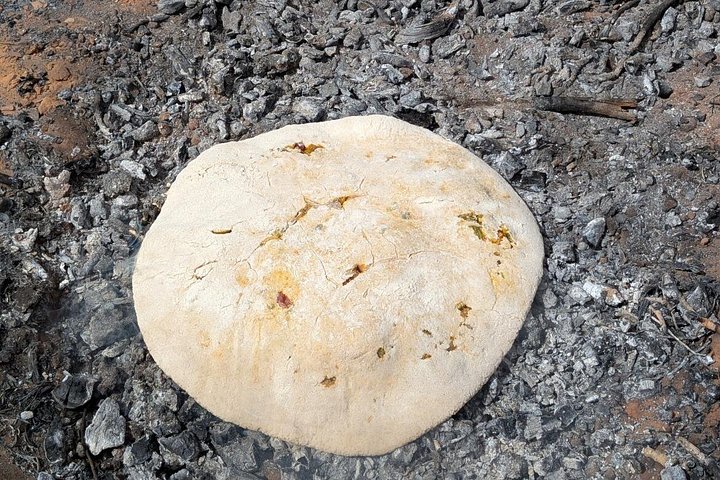
The signature dish of the Tafilalet is madfouna, a round of dough filled with spiced meat, onions and fat, folded and baked in a pit of hot sand and coals. The result is crisp outside and rich inside. It is sold as a cooking class activity and in restaurants, and some camps serve it with tea. Vegetarian fillings are possible if you ask. Try it with olives and a cup of tea.
Tagine and couscous
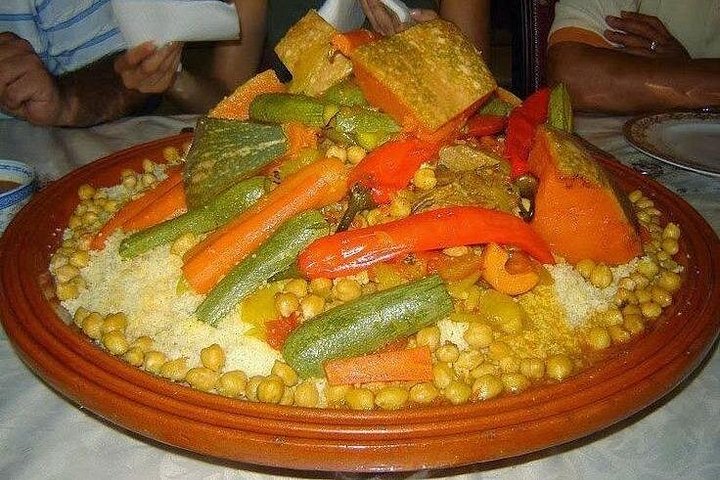
A tagine is a slow-cooked stew in a conical clay pot. Common versions include chicken with preserved lemon and olives, lamb with prunes and almonds, and vegetable tagines with carrots, potatoes and peas. Couscous is steamed semolina topped with vegetables and meat, and traditionally served on Fridays. Both are shared dishes, so order one to split or accept the host's portion. Ask for less salt or oil if you prefer.
Dates, nuts and sweets
The oases near Erfoud and Rissani are famous for dates, and you will find several varieties in local markets. Dates, almonds and walnuts make an energy-rich snack for the dunes. Sweet pastries and honey cakes are served with tea. In summer, fresh figs and melons appear. Buy dates from market stalls or cooperatives and ask for a taste before buying.
Mint tea and other drinks
Moroccan mint tea is a ritual: green tea with fresh mint and plenty of sugar, poured from a height to create foam. Accepting it is polite, and refusing may seem rude. If you want less sugar, ask for it without. Coffee is available in village cafes, often strong and small. Bottled water is widely sold, and you should drink it regularly. Alcohol is limited in this conservative area, and few places serve it.
Eating in a desert camp
Camp dinners are typically a hearty tagine or couscous with salad, bread and fruit, followed by tea. Breakfast is bread, jam, eggs, cheese and coffee or tea. Standards vary with price, so ask about the menu in advance. Vegetarians and people with allergies should tell the camp when they reserve. Bring snacks if you have special dietary needs.
Village restaurants and cafes
Merzouga has small restaurants serving tagines, brochettes, omelettes and salads. Prices are modest, and portions are generous. Look for places with a steady crowd, fresh bread and clean kitchens. Rissani has more street food, including grilled skewers and sweet pastries, particularly on market days. Erfoud has more restaurant choice and a few cafes with terraces.
Hygiene and tips
Stick to bottled or sealed water, eat food that is hot and freshly cooked and wash hands before meals. If you have a sensitive stomach, introduce spicy dishes gradually. Tip about ten percent in restaurants if service is not included, and leave small bills for camp staff. Learn a few phrases such as shukran, which means thank you, and bismillah, said before eating, and your hosts will appreciate it.
Cooking at home
If you enjoy a dish, ask the cook how it is made and which spices matter. Cumin, paprika, ginger, turmeric and saffron are staples, and preserved lemons and olives add sharpness. Tafilalet cooks often use smen, a preserved butter with a strong flavour, and dried fruit in savoury dishes. Buying a small tagine pot in Rissani or Erfoud is a nice reminder, though wrap it well, and remember that unglazed pots need seasoning before use.
Dietary needs
Vegetarians can eat well on vegetable tagines, couscous, lentil soup, salads and omelettes, but broth may contain meat, so ask. Gluten-free guests will find that bread and couscous dominate the table, so carry snacks and explain your needs clearly. Halal food is the norm. For those with nut or egg allergies, speak to the cook, because sweets and pastries often include almonds and eggs. Most hosts are eager to help if they know in advance.
A sample day
Start with bread, olive oil, jam and strong coffee or tea. Take a light lunch of salad and an omelette or a tagine in the village, and keep dinner for the camp, where a fire, music and a shared dish are the point. Between meals, drink water and eat dates or almonds to keep your energy up.