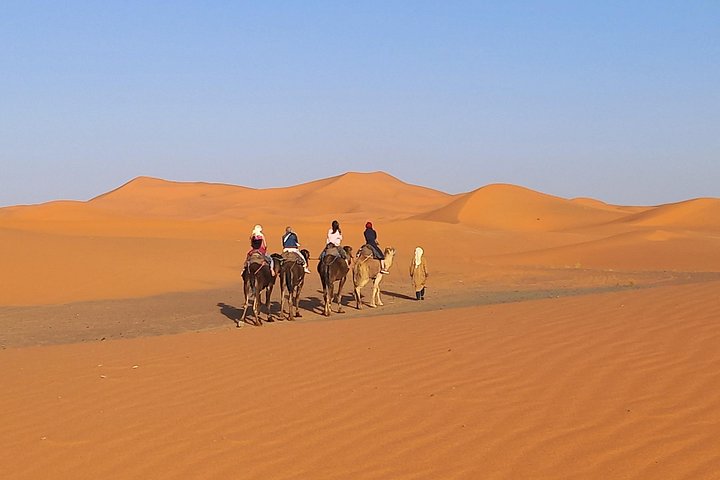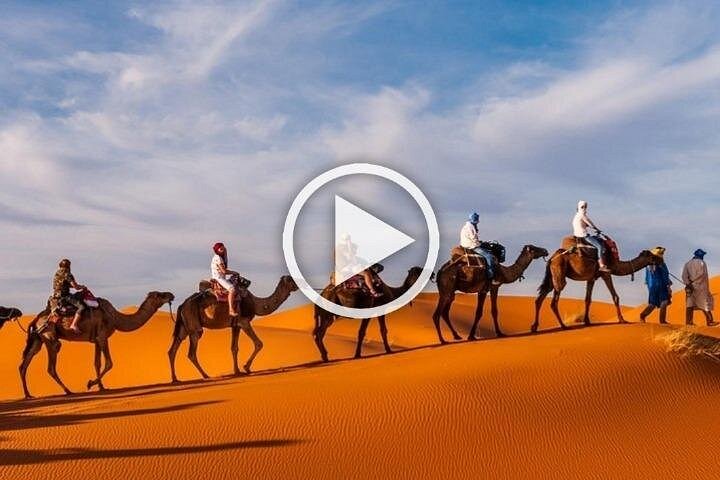
Merzouga is a small village at the edge of Morocco's largest sand dunes, a long way from anywhere. It sits in the southeast of the country, close to the Algerian border, where the dunes of Erg Chebbi rise from the stony plain to heights of well over a hundred metres. For most visitors, the draw is simple: a camel ride at sunset, a night in a desert camp and a sunrise on the sand. This guide covers the essentials so that you can plan with confidence and avoid the common mistakes of first trips.
Where exactly are you going
Erg Chebbi is a ridge of dunes roughly twenty-odd kilometres long and a few kilometres wide. Merzouga village and its neighbours, including Hassi Labied and Khamlia, sit along the edge. The nearest large towns are Erfoud, about 55 kilometres north, and Rissani, about 35 kilometres to the northwest. Errachidia, the regional hub, is farther north. Most people reach the dunes by road from Fes, Marrakech or Ouarzazate, which is a long drive. Plan at least two nights in the area so that the journey is worth the effort.
What to do
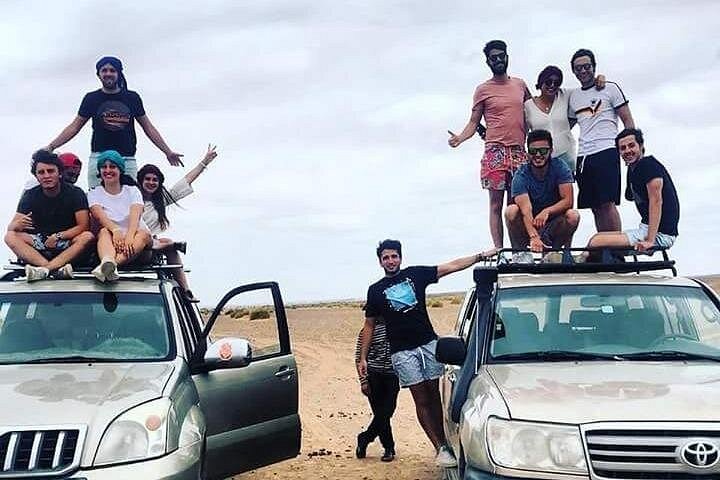
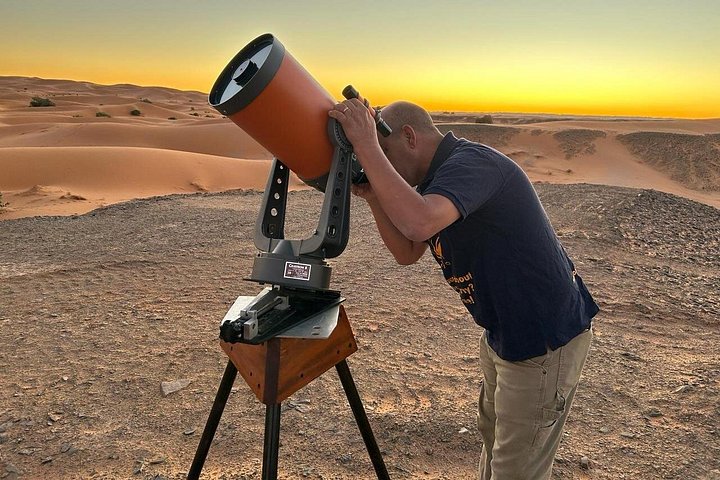
The classic experience is the overnight camel trek into the dunes, with dinner at a camp, music around a fire and a sunrise climb. If you are short on time, a sunset camel ride from the village gives a taste. Beyond camels, there are quad bikes, dune buggies, sandboarding, 4x4 tours, horseback riding, cooking classes and visits to nomad families. Culture lovers can add the Gnawa musicians of Khamlia, the market at Rissani and fossil workshops in Erfoud. Stargazing is exceptional on moonless nights.
Choosing a camp
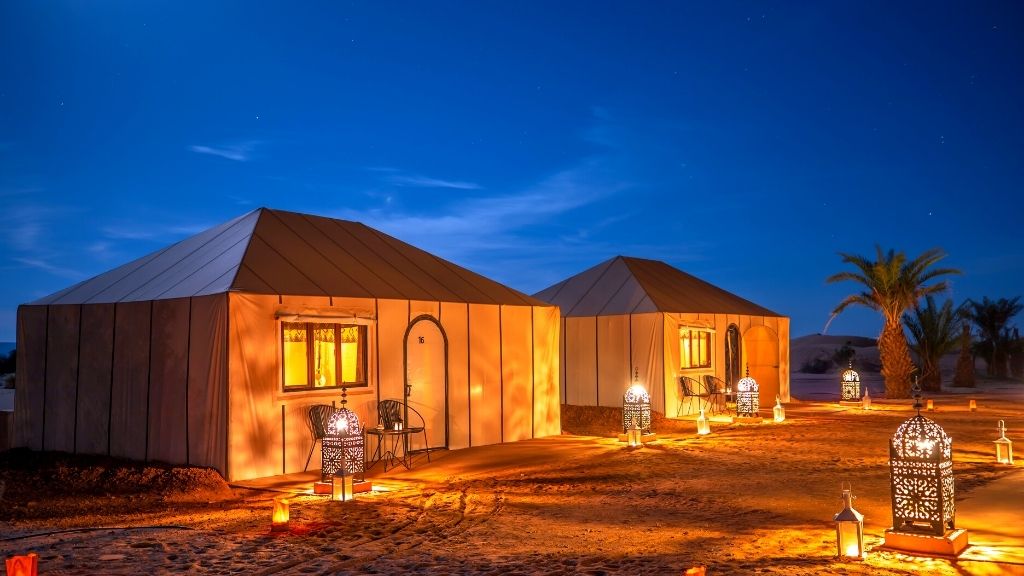
Camps vary from simple bivouacs with shared tents to luxury camps with private bathrooms and heating. Prices reflect that. Before you choose, read what is included: transfers, camel ride, dinner, breakfast and bathroom type. Ask whether the camp is deep in the dunes or at the edge, and how many tents it has. A small, remote camp gives a quieter night but a longer ride. If you are travelling in winter, look for heating or extra blankets, and in summer for fans or air conditioning.
What to pack
For the dunes, bring a scarf or buff to keep sand out of your face, sunglasses, a hat, closed shoes, long trousers and a warm layer for the evening. A torch or head torch is useful at night. Leave most of your luggage at your hotel or in the vehicle and take a small overnight bag. A power bank is a good idea, as charging points may be limited. Sunscreen and lip balm are essential, and a refillable water bottle will serve you well. Cameras and phones need protection from fine sand.
Health and safety
Heat and dehydration are the main risks. Drink water regularly, avoid strenuous activity at midday in summer and recognise the signs of heat exhaustion. Camels are generally gentle, but follow your guide's instructions when mounting. Quad bikes and buggies carry real risk, so wear helmets where provided and keep to a sensible speed. Choose licensed operators with good reviews, and confirm inclusions in writing. Carry travel insurance that covers adventure activities, and keep emergency contacts on hand.
Respect and etiquette
The region is home to Amazigh communities with their own customs. Dress modestly in villages and around mosques, ask permission before photographing people and accept tea with thanks. Tips are customary for guides, drivers and camp staff, and small bills are useful. Haggling is expected in markets but should be friendly. Avoid leaving rubbish in the dunes, stay on established tracks and support businesses that treat animals well.
Money and connectivity
Cash is king in small places, and ATMs are limited in Merzouga, so withdraw money in Erfoud, Errachidia or a larger city before you arrive. Mobile coverage is generally decent in the village but patchy in the dunes. Wi-Fi at camps and hotels can be slow. Treat the experience as an opportunity to disconnect, and download maps and tickets in advance.
How long to stay
Two nights is the practical minimum: one in a camp and one in a hotel to recover. Three nights allow you to add a 4x4 loop, a cooking class and a nomad visit without rushing. If you are on a multi-day tour from Marrakech or Fes, you will usually have one night in the desert and a long drive either side. Consider building in an extra day if you can, because the drive is tiring and the dunes reward slow time. See our three-day plan and the guide to getting there for more detail.