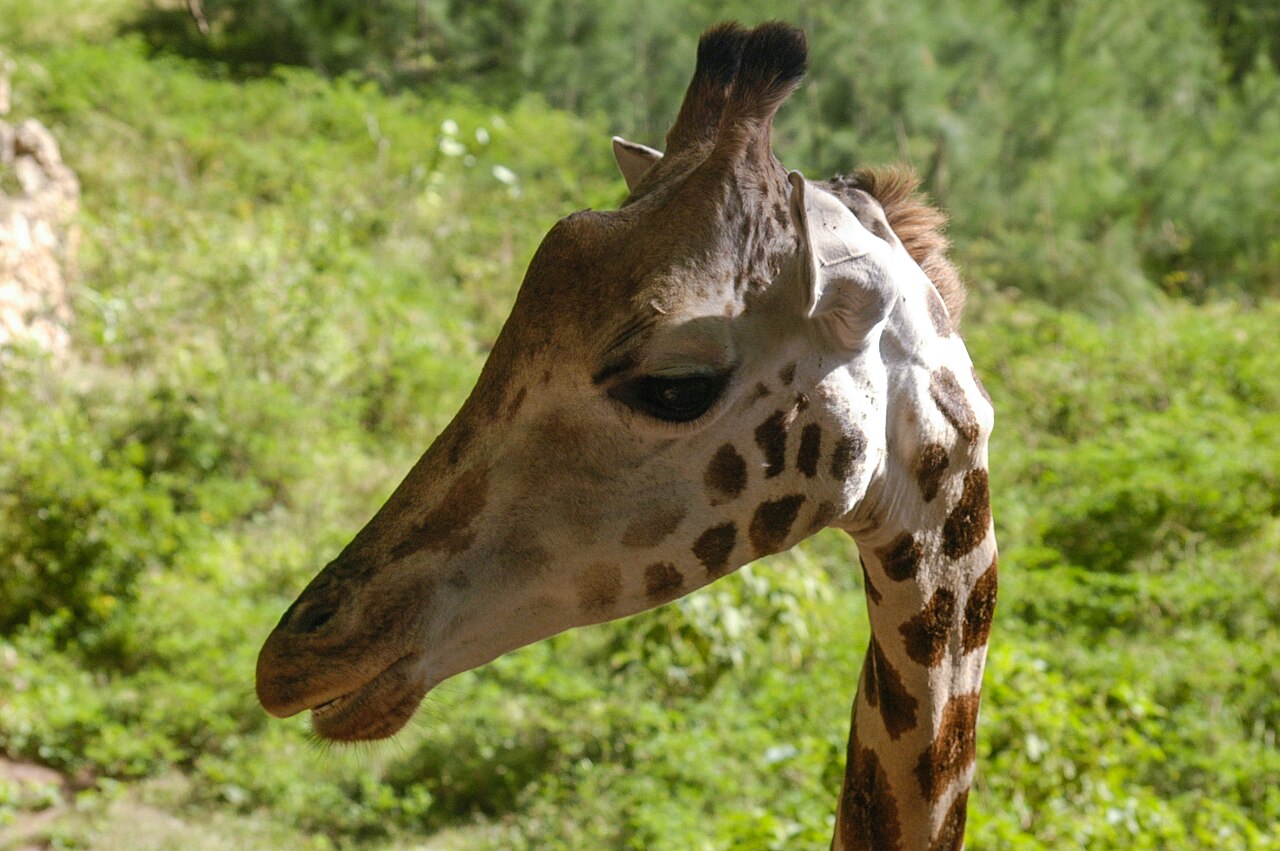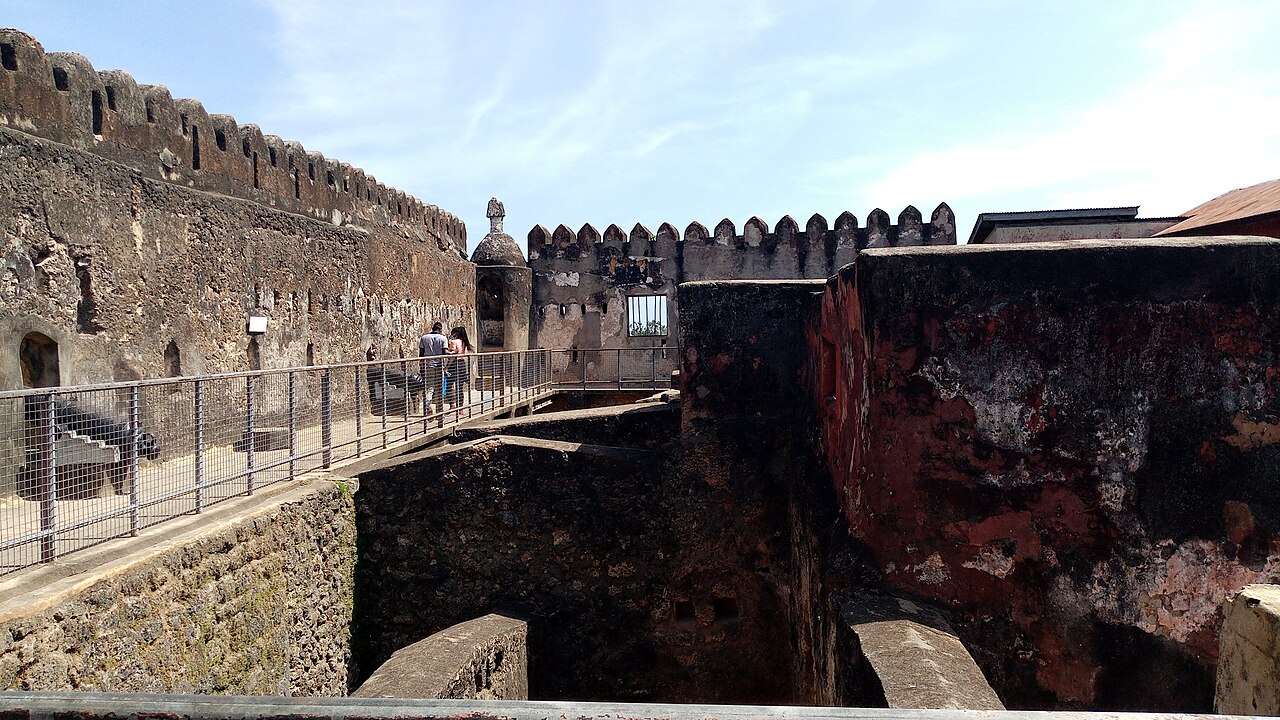
Gedi (also spelled Gede) is one of the most atmospheric historic sites on the Kenyan coast. A walled Swahili town flourished here from around the 13th century, with stone houses, a palace and mosques, before it was abandoned around the 17th century for reasons that are still debated. The forest then took over, and today the ruins sit in cool woodland, with vines wrapped around coral-stone walls and monkeys moving through the canopy. It lies near Watamu, around two hours north of Mombasa, so it works best as a day trip from the north coast or as part of a longer stay in Watamu or Malindi.
Visitors walk on shaded paths past the remains of the palace, the Great Mosque, smaller mosques, houses and tombs with pillars, decorated with carved details and niches. Interpretive signs and a small museum provide context, and guides add stories about the town's trading links with Arabia, India and China, evidenced by imported ceramics and beads found on the site. The forest is as much a draw as the ruins: expect birds, butterflies, Sykes monkeys and other small mammals. The overall feel is quiet and slightly mysterious, which makes for good photographs.
Most tours that visit Gedi also include other stops on the northern coast, such as Watamu's marine park, Mida Creek, Malindi's old quarter or the dramatic Marafa canyon known as Hell's Kitchen. A common day tour combines Gedi with Malindi sights, and boat or snorkeling add-ons are possible in Watamu. Check what is included and how long you will have at the ruins. Allow at least an hour and a half for a good visit.
Practical points
Wear comfortable shoes, a hat, repellent and light clothing, and carry water. Paths are generally flat but can be uneven or damp. Entry for non-residents is higher than for local visitors and opening hours can change, so confirm with the operator. The drive from Mombasa is long, so many travellers prefer to overnight in Watamu and visit the ruins as part of a longer north-coast stay. Respect the site by not climbing on walls, not feeding monkeys and keeping to marked paths. Visit in the morning to avoid heat and the busiest period.
To see the site at its best, take your time and let the forest set the mood. Listen for birdsong and the rustle of monkeys overhead, look for carved details on doorways and wall niches, and pay attention to the layout of streets and houses, which shows how the town was organised. A guide will point out items such as the well, the tombs with pillars and the unusual mix of Islamic and local features.
Nearby attractions include the Arabuko Sokoke forest, a butterfly farm or snake park in some itineraries, and the marine park at Watamu, so build your day with a clear plan and not too many stops.
If you stay overnight, an early visit before the heat and crowds is a rewarding way to start the day. Finally, if you are interested in archaeology, ask the museum staff about recent finds and conservation work, and consider a donation to support the site, since the forest and the ruins need constant care to survive.
What to expect
The experience
A guided walk through forested ruins of a medieval Swahili town, usually combined with other stops on the Watamu and Malindi coast.
Best time
Morning, when it is cooler and the forest is active.
How long
At least an hour and a half at the site, a full day with the drive and other stops.
Tips
Wear comfortable shoes and a hat, bring repellent and water, stay on paths and do not feed monkeys.
Quick picks
- Best for
- History lovers who want something beyond Fort Jesus and Old Town.
- Families
- Children enjoy the monkeys and ruins, though the drive is long.
- Couples
- Quiet and atmospheric, best as part of a north-coast stay.
- Pair with
- Watamu marine park, Mida Creek and Malindi.
- Time needed
- A full day, or a night in Watamu.
Good questions
What is Gedi?+
The ruins of a medieval Swahili town in coastal forest, with a palace, mosques and houses dating from around the 13th to 17th centuries.
How far is it from Mombasa?+
Roughly two hours by road to the Watamu area, depending on traffic.
Why was the town abandoned?+
Reasons are debated, and may include water shortages, conflict and changing trade routes.
Will I see monkeys?+
Very likely. Sykes monkeys live in the forest around the ruins.
Can I combine it with Watamu?+
Yes. Most tours add Watamu or Malindi sights, and many visitors stay overnight.