Cemeteries are rarely on a first-timer's list, but the Cementerio Central is one of the most revealing places in Montevideo. Opened in the 1830s, it was laid out as the city's main burial ground as the capital grew beyond the old walls, and over the next century it filled with the monuments of a confident, immigrant society. Avenues of cypress and plane trees run between rows of mausoleums in marble, granite and bronze, built in neoclassical, Art Nouveau and Art Deco styles, many topped with weeping angels and allegorical sculpture. Politicians, writers, musicians, sportspeople and ordinary families rest here side by side, so a slow walk reads like a compressed history of Uruguay, from the founding generation through waves of Italian and Spanish arrivals to the twentieth century. It is a place of quiet rather than spectacle, and a respectful visitor will find that the cemetery says as much about the city's tastes, beliefs and rivalries as any museum. A guided tour is the best way to see it, because the stories attached to the tombs, of love, rivalry, tragedy and forgotten fame, are what bring the stone to life.
On a guided visit, expect a walk of about an hour or two through the main avenues, with stops at mausoleums chosen for their architecture or their stories. The guide explains the symbols, from broken columns to hourglasses and clasped hands, and points out how the grander family vaults reflect the rise of particular communities.
The tour built around stories of love and oblivion focuses on the human side of the cemetery, rather than only the famous names, and it is a good fit for visitors who like narrative as much as architecture. Confirm in advance which languages the tour is offered in, as many guided walks here are given in Spanish.
The cemetery sits in the central part of Montevideo, a short taxi or rideshare ride from Plaza Independencia, and it combines well with a morning in Ciudad Vieja or with a visit to a nearby museum. Photography is generally fine in a quiet and respectful way, but follow the guide's lead and the cemetery rules, avoid funerals and mourners, and keep voices low. Cover your shoulders and dress modestly, wear comfortable walking shoes for the uneven paths, and bring water and a hat, because there is little shade between the rows in summer.
Practical points
Opening hours change with the season and with services, so confirm the day you plan to visit, and avoid going alone late in the day, when the grounds empty out. The walk is on flat paths but long, and some sections are uneven, so those with limited mobility should ask about a shorter route.
The tour suits adults and older children who are comfortable in a quiet setting, and it makes a thoughtful contrast to the busy markets and squares elsewhere in the city. Combine it with a late lunch nearby for a balanced day.
Seen in the right spirit, the cemetery is also one of the most photogenic corners of the city, particularly in morning light when the marble glows and the avenues are quiet. Many visitors say the visit gave them a better feel for Montevideo's immigrant history than a conventional museum, because the family names and inscriptions trace the arrival of Italian, Spanish and other communities that shaped the capital.
What to expect
The experience
A guided walk through the avenues of the Cementerio Central, stopping at mausoleums chosen for their architecture and their stories.
Best time
Morning on a weekday, when the light is soft, the grounds are quiet and the temperature is comfortable.
How long
One to two hours on foot.
Tips
Dress modestly, wear comfortable shoes, bring water and a hat, keep voices low and avoid photographing mourners. Confirm the tour language when you book.
Quick picks
- Best for
- Architecture, history and storytelling lovers who want an unusual side of Montevideo.
- Families
- Better for older children and teenagers who can stay quiet and interested on a longer walk.
- Couples
- Atmospheric and thoughtful, especially in soft morning light.
- Pair with
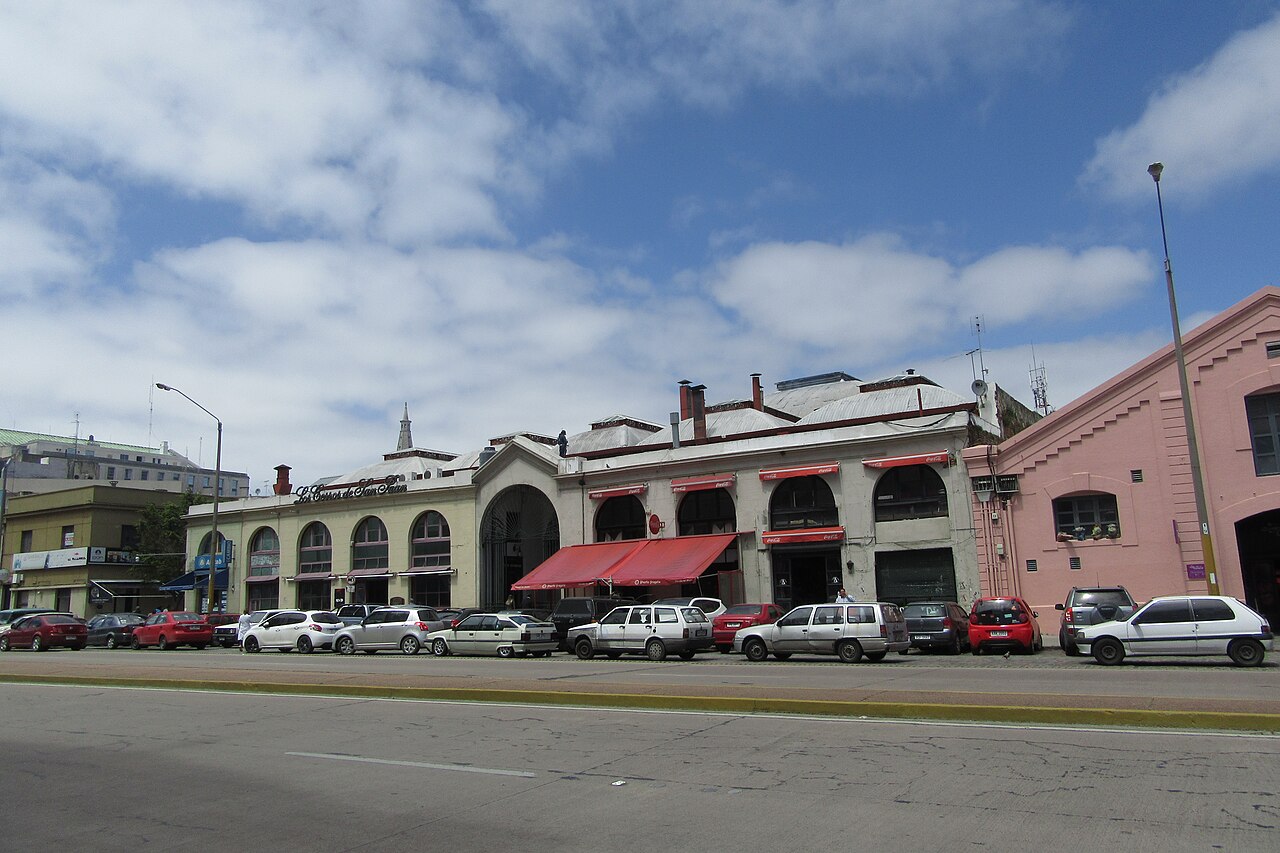
- A morning in Ciudad Vieja, the Teatro Solis or a late lunch at the Mercado del Puerto.
- Time needed
- One to two hours, plus travel.
Good questions
Is it appropriate to visit a cemetery as a tourist?+
Yes, the Cementerio Central is a historic site and visitors are welcome, provided they dress modestly, keep quiet and avoid photographing services or mourners.
When did the cemetery open?+
It opened in the 1830s as the city's main burial ground and grew over the following century with elaborate family mausoleums.
Do I need a guide?+
You can wander alone, but a guide explains the symbols, architecture and stories, which is what makes the visit memorable.
How do I get there?+
It is in central Montevideo, a short taxi or rideshare ride from Plaza Independencia and Ciudad Vieja.
What should I wear?+
Modest clothing that covers shoulders and knees, comfortable shoes for uneven paths, and a hat and water in summer.