Montevideo is a relaxed, walkable capital of waterfront promenades, grilled meat, café squares and Art Deco towers, and it rewards slow travel. Most visitors arrive by air at Carrasco or by ferry from Buenos Aires, and spend two to four days. The city is spread along the river, with the old town on a small peninsula at one end and the beach districts of Pocitos and Carrasco to the east. Here is how to plan a first visit.
What to book ahead
Very little in Montevideo needs a long lead time, which is part of its charm. The things worth booking in advance are the day trips and tours, because they run on fixed departures: a Colonia del Sacramento day trip, a Punta del Este and Casapueblo day trip, and a winery visit such as Bouza. If you want a dinner show, reserve the El Milongón tango and candombe evening a few days ahead. In summer, December to February, book day trips earlier. If you want to see the interior of the Teatro Solís, check the official guided-visit schedule, which currently lists tours on most days and a free Wednesday tour, or book a performance.
How to get around
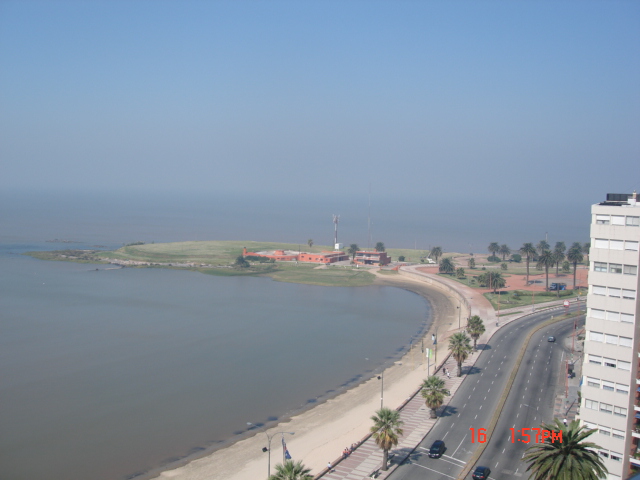
The old town and Plaza Independencia are best explored on foot. For the beach districts and Carrasco, use taxis or rideshare apps, which are inexpensive by international standards, or buses. The seafront promenade, the Rambla, is about 22 km long and is superb for walking and cycling, so you can cover a lot of the city without a car. A car is useful only for wineries and the coast, and tours cover those without the hassle. The old town empties on evenings and Sundays, so use a taxi after dark.
How many days
Two days covers the essentials: one for Ciudad Vieja and Plaza Independencia, the Mercado del Puerto and a sunset on the Rambla, and one for a winery or a half-day city tour. Three or four days lets you add Colonia and Punta del Este, which are each a full day with a long drive. Five days gives breathing room for a food tour, museums and a slow evening on the beach. November is spring: mild days, cool evenings, quieter beaches and the high season for Punta del Este still a month away.
Where the sights fit
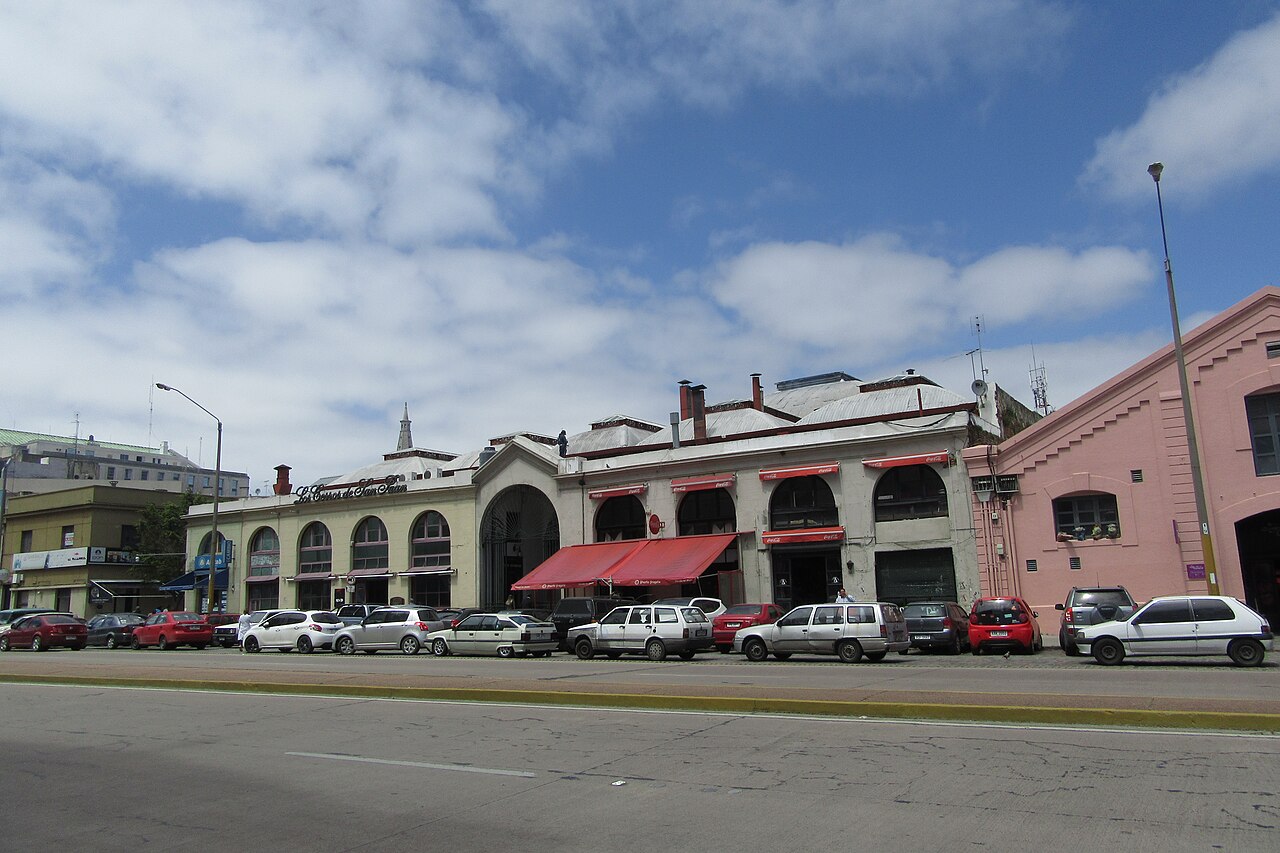
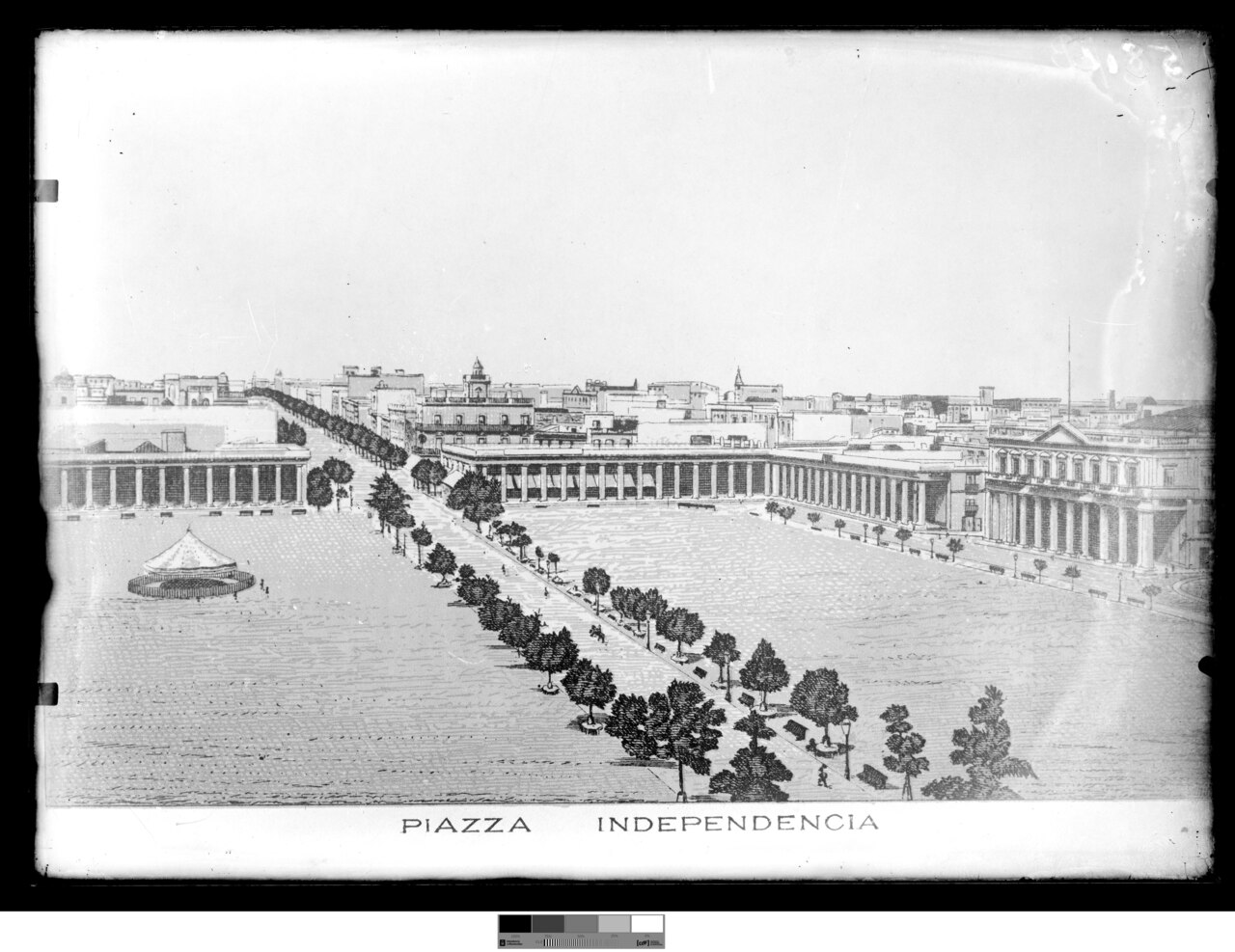
Think of the city in three zones. The old town has the history: the plaza, the theatre, the cathedral and the port market. The waterfront is the lifestyle: Rambla, Pocitos, Punta Carretas and Carrasco. And the day trips are the escapes: Colonia to the west for UNESCO-listed colonial streets, and Punta del Este to the east for the resort coast. Pair a morning in the old town with a late lunch at the Mercado del Puerto, a stroll to the Rambla, and an evening in Pocitos or Punta Carretas. Join a street food tour early in your stay to learn the cuisine and get restaurant tips.
Food and practicalities
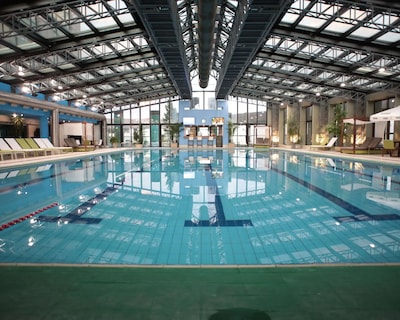
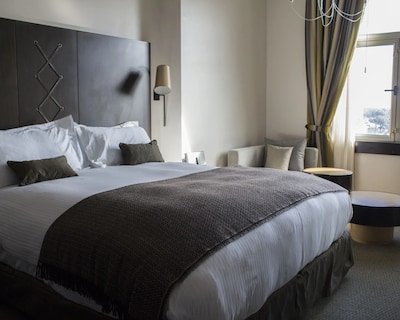
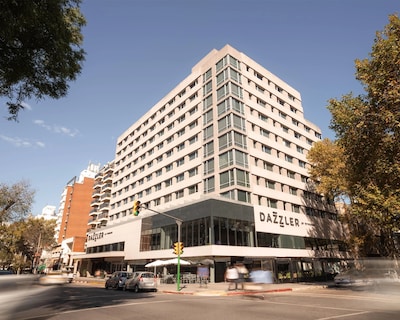
Eat grilled meat at least once, try a chivito sandwich, and sample dulce de leche. Lunch is the main meal for many locals, and dinners start late. Many places close one day a week, often Sunday or Monday, so check hours. Carry some cash for small purchases, wear layers because the river wind is changeable, and keep valuables out of sight in crowded areas. Our recommended hotels range from a luxury beach stay in Carrasco to a central five-star on Plaza Independencia; see our where-to-stay guide to choose the right base for your plans.