Uruguay is a small wine country with a big personality, and the capital sits at the doorstep of its main vineyards. Within an hour of Montevideo, in the countryside of Canelones and the surrounding area, family wineries grow grapes in a temperate climate shaped by the Atlantic and the River Plate. The result is a wine culture that feels personal and unhurried, with owners who pour their own bottles and a landscape that rewards a slow day out. This guide explains what to taste, where to go and how to plan it.
Meet Tannat
The grape that defines Uruguay is Tannat, a red variety that came from the south of France and found a second home on the River Plate. In Europe it is known for firm tannins and deep colour, and Uruguayan examples keep that structure while often showing a rounder, fruitier side thanks to the maritime climate. Expect dark berry flavours, hints of spice and a finish that pairs very naturally with grilled beef. Many wineries also make lighter blends with Merlot or Cabernet, and some produce sparkling wines, rosés and whites. If you taste only one thing, make it a straight Tannat, then compare it with a blend to feel the difference.
Choosing a winery
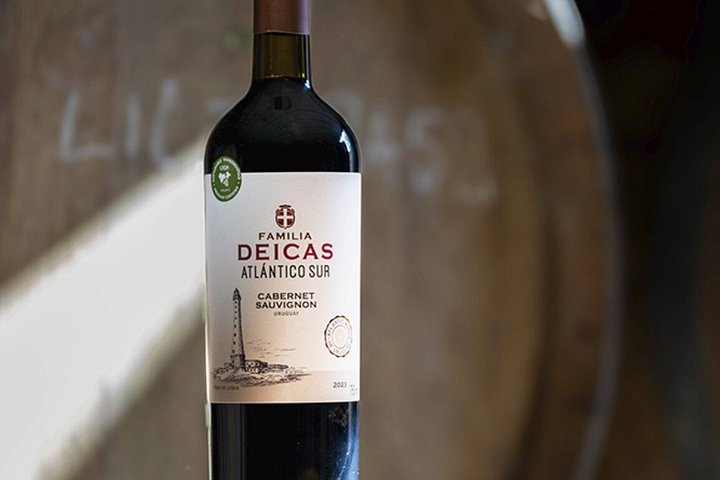
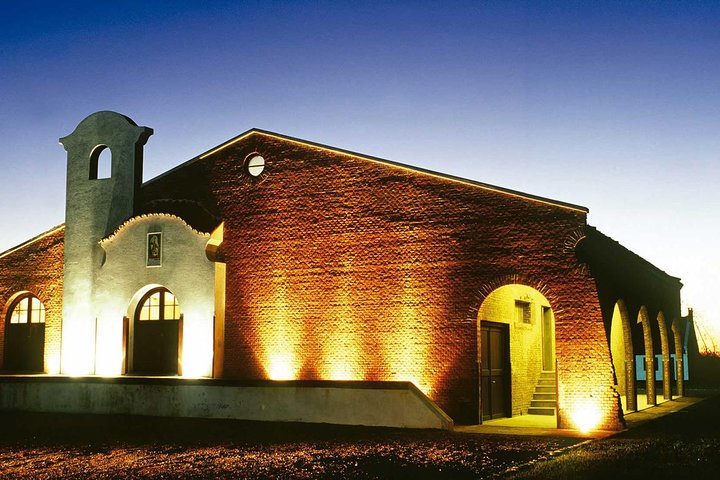
The region has options for every taste. The Bouza winery combines polished tasting rooms with a collection of vintage cars and a strong food offering, which suits visitors who want an all-round experience. Familia Deicas is a larger family estate with a range of tastings and lunches that show how the Atlantic coast influences the wines. The Carrau winery is a long-established family name with deep roots in Uruguayan winemaking and a welcoming visit. Each has its own character, so pairing two in a day gives you a chance to compare styles, though most people find one or two wineries enough in a day when a proper lunch is included.
How to organise the day
Tastings are usually by appointment, so book ahead, particularly at weekends and in the busy months. Roads in the countryside are quiet but unlit, and tastings are generous, so use a tour with transport or hire a driver rather than drive yourself. Morning departures give you time for a visit and lunch before returning in the late afternoon. Ask whether the tasting includes a meal, because many wineries offer lunch with wine pairings, and a longer table experience can turn the outing into the highlight of the trip. Wear comfortable shoes for vineyard walks, bring a layer for cellars and a hat in summer.
When to go
The southern-hemisphere harvest runs from late summer into early autumn, roughly February to April, and it is the most atmospheric time, with activity in the vineyards and in the cellars. Spring brings fresh green growth and mild weather, while winter is quiet and often a bargain, with log fires and heartier food. Summer can be hot, so choose morning visits and plenty of water. Whatever the season, wineries are happy to welcome visitors, and the countryside is pleasant to see at any time of year.
What to eat with the wine
Uruguayan food and wine are made for each other. Grilled beef, sausages and lamb are classic matches for Tannat, and a traditional asado is the ultimate pairing. Cheese boards, charcuterie and dulce de leche desserts appear on many tasting menus, and some wineries serve tapas or light lunches built around local produce. If you want to take the pairing further after the vineyards, book an asado experience or a table at one of the city parrillas, and ask the staff to suggest a wine from the region.
Buying and carrying wine
Most wineries sell bottles at the cellar door and can advise on what travels well. Keep airline limits in mind, wrap bottles in clothing in checked luggage and ask whether the shop can pack and label bottles for flight. If you cannot carry much, choose one or two favourites rather than a case, and look for the producer's names on restaurant lists in Montevideo, where many of the same wines are available by the glass.
Putting it together
A simple wine plan for a three-day visit is to spend the first day in the old town and on the Rambla, the second at a winery with lunch and the third on a day trip or a tango evening. If you have more time, add a second winery day, a cooking class or an asado, and give yourself a morning to rest. With a little planning, Uruguayan wine becomes one of the most enjoyable and affordable parts of a visit to Montevideo.