Music is how Montevideo talks about itself. The city shares tango with Buenos Aires across the river, but it also has its own voices: candombe, the Afro-Uruguayan drumming that fills the streets at Carnival, and murga, the satirical choral theatre of the barrios. A visit that includes only museums and parks misses the sound of the place. This guide explains the main traditions and how to experience them, whether you have one evening or a whole week.
Tango: the city's slow heartbeat
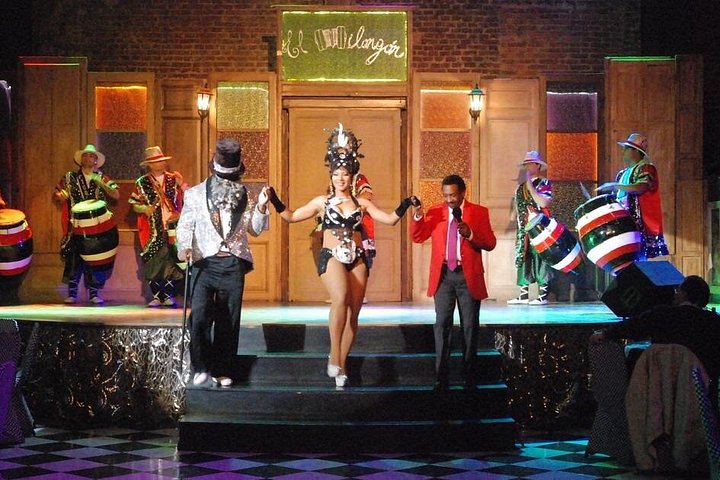
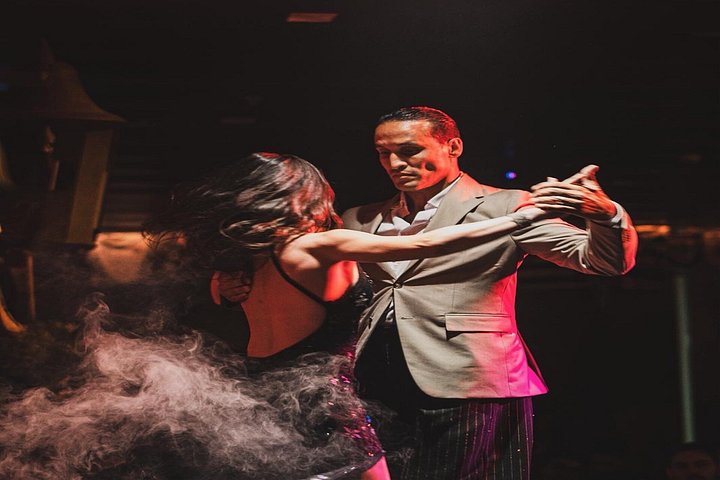
Tango was born in the working-class districts around the River Plate in the late nineteenth century, and Montevideo claims a full share of its history, including some of its most famous songs. The music is not a museum piece here. You can hear it in small bars, in dinner shows and in the milongas, the social dances where locals dance with no audience. For visitors, the easiest options are a show at a historic bar, where a small band and dancers perform in an atmospheric room, or a dinner show that combines a meal with a polished performance of tango, folklore and candombe. The Baar Fun Fun show offers the first, and the El Milongón dinner show the second. Both are good for a first evening, and either works well after a day of sightseeing.
Candombe: the drums of the barrios
Candombe grew from the traditions of African communities in Montevideo's southern neighbourhoods and became a defining sound of the capital. Played on three kinds of drum, the chico, the repique and the piano, it creates a rolling pulse that is felt as much as heard. It is recognised by UNESCO as intangible cultural heritage and it appears in everyday life, from informal drum gatherings on warm evenings to the large Llamadas processions in Barrio Sur and Palermo. To get closer to the music, take a candombe drum class, where a teacher shows you the instruments and the rhythm in a couple of hours. Dinner shows also usually include a candombe segment.
Murga: satire in song
Murga is a form of popular theatre in which a chorus of singers, with drums and cymbals, performs witty, sharp songs about current events and society. It is a Carnival staple, and the best groups compete for prizes. If you understand Spanish, a murga performance is entertaining and revealing, and even if you do not, the costumes, harmonies and energy are memorable. Look for performances in theatres and open-air stages during the Carnival season.
The Carnival season
Uruguay's Carnival is famously long. It runs for weeks across the summer, from around January into February and sometimes March, with neighbourhood stages called tablados, theatre competitions and the Llamadas parade. It is a good time to visit if you love live performance, though accommodation fills up and prices rise, so book early. Outside Carnival, the spirit lives on in smaller events, rehearsals and museum displays, and tour guides can point you to places where traditions remain visible all year.
Theatre and the Teatro Solís
The Teatro Solís is the city's grand stage, hosting opera, ballet, symphony concerts and national theatre. A guided tour shows the interiors, and a performance adds the atmosphere. If you have an evening to spare, check the programme and consider combining a tour with a show.
Practical tips
Dinner shows start late by northern standards, so eat lightly beforehand if the performance includes a meal. Book in advance on weekends and in summer, and ask about the language of the introduction if it matters. Take a taxi or rideshare back after the show, since the old town is quiet at night. Dress comfortably but a little smarter than for the day, because Montevideo audiences are relaxed rather than formal.
A simple music plan
On a short trip, pick one tango evening, one daytime cultural experience such as a candombe class and, if your timing allows, a theatre visit or Carnival event. That mix gives you the music's range, from the intimate to the communal, and ties the trip to the city's living culture.