Mui Ne has one of the driest climates in Vietnam, which is part of why its dunes and cacti look so unlike the rest of the country. Rain is lighter and shorter than in the north or the central coast, and the sun shines for much of the year. The real calendar for this coast is shaped by two things: the wind, which draws kitesurfers, and the wetter months, which bring clouds and showers. Understanding both helps you pick the right time.
The dry, windy months
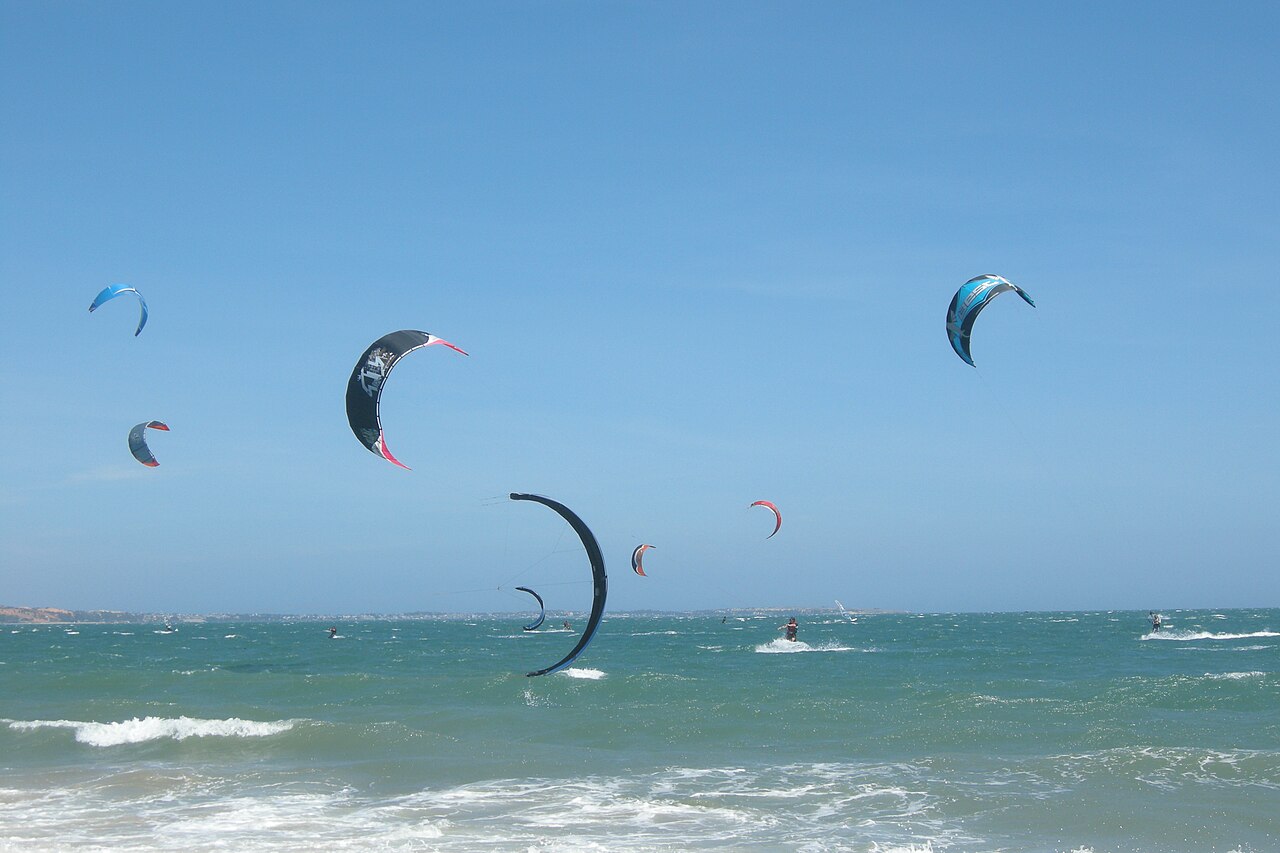
From roughly November to April, the weather is dry and the north-east monsoon blows steadily along the coast. This is the high season for sun, dune tours and wind sports. Skies are mostly clear, sunrise and sunset light is excellent and the sea is lively enough for kitesurfing. The national tourism body describes reliable thermal winds from October to April, strongest from late morning to mid-afternoon. Expect higher prices, busier restaurants and the best rooms booked early, especially around public holidays and Lunar New Year.
The wetter months
From roughly May to October, the south-west monsoon brings more cloud, humidity and afternoon showers. Rain is usually short and often falls in the afternoon or at night, and Mui Ne remains drier than many other Vietnamese beach towns, so travel is still possible. Prices are lower and the beaches are quieter. The wind is lighter and less reliable, so some kite schools quiet down or close, and sailing, paddling and surf lessons may be a better choice. Sunrise tours still work on many mornings, but cloud can mute the colours, so keep the schedule flexible.
Heat and humidity
Temperatures are warm to hot all year, and midday can be intense even in the dry season. Plan outdoor activities for early morning or late afternoon, and spend the middle of the day by a pool or in an air-conditioned cafe. Sand can burn bare feet by mid-morning, so wear sandals. Drink plenty of water, wear a hat and apply sun cream even on cloudy days.
Which month for which plan
If you want kitesurfing, aim for November to March, when the wind is dependable. For photography and clear skies, choose the dry months. For lower prices and fewer people, choose the wetter months and accept some cloud. For families, the calmer water of the wetter months can be easier for beginners in the sea, while the dry months give more reliable beach days. Tet, the Lunar New Year, brings the busiest travel of the year in Vietnam, with domestic crowds and higher rates.
Festivals and local events
The Cham community holds the Kate festival at the Poshanu towers in autumn, and the date follows the Cham calendar. Phan Thiet also holds a whale festival in honour of the whale god, with dates that follow the lunar calendar. These events change from year to year, so check dates locally. Public holidays bring heavy domestic traffic on the road from Ho Chi Minh City.
Sea conditions and safety
Currents and waves vary with the wind, and some beaches are not good for swimming when the sea is rough. Swim where others are in the water, follow local advice and keep clear of kite lines. Boat trips to Vinh Hy Bay and Ke Ga can be cancelled in rough weather, so book with flexible terms.
Packing
Light cotton clothing, a rash vest, a hat, sunglasses, a scarf for dust, reef-safe sun cream, a light rain jacket in the wetter months and shoes that slip on and off. Bring a dry bag for boats and a zip bag for phones on dune tours. A small amount of cash helps with sleds, drinks and tips.
A simple rule
Choose the dry months for sun and wind, the wetter months for value and quiet, and always keep one flexible morning in your plan for cloud or wind.
Crowds and booking
The busiest weeks are around Lunar New Year, the main public holidays and school holidays, when domestic visitors fill the resorts and the road from Ho Chi Minh City slows. Outside those periods, midweek stays are quieter and often cheaper. If your dates are fixed, book flights and hotels early, reserve key tours a day or two ahead and keep flexible cancellation terms where you can.