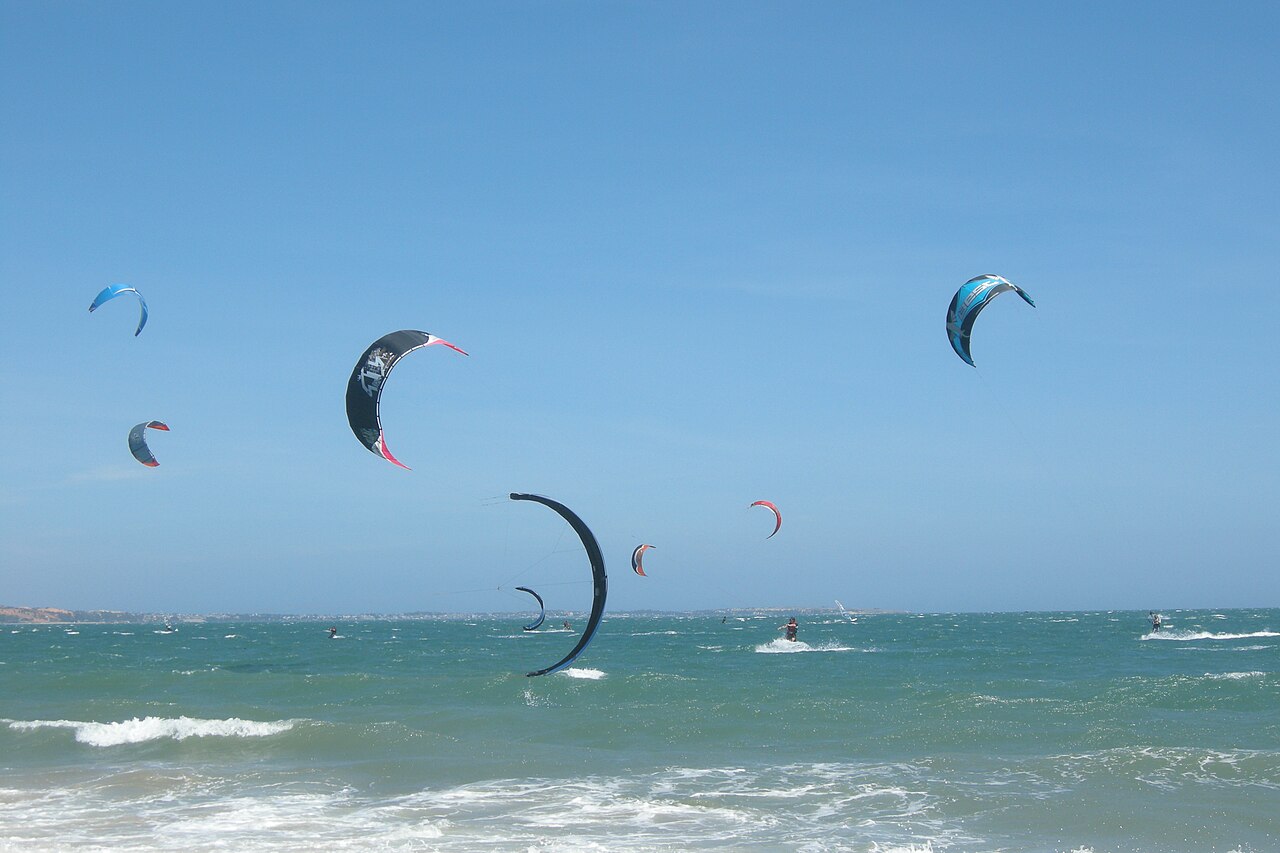
Mui Ne is a long, narrow beach town on the south-central coast of Vietnam, a few hours north-east of Ho Chi Minh City, and it has two reputations that fit together surprisingly well. It is the country's kitesurfing capital, thanks to steady winds from roughly October to April, and it is a small desert, with orange and white sand dunes that glow at sunrise. Add a working fishing harbour, a famous fish sauce tradition and a handful of nearby temples and Cham towers, and you have a destination that rewards three or four days of unhurried exploring.
Start with the dunes
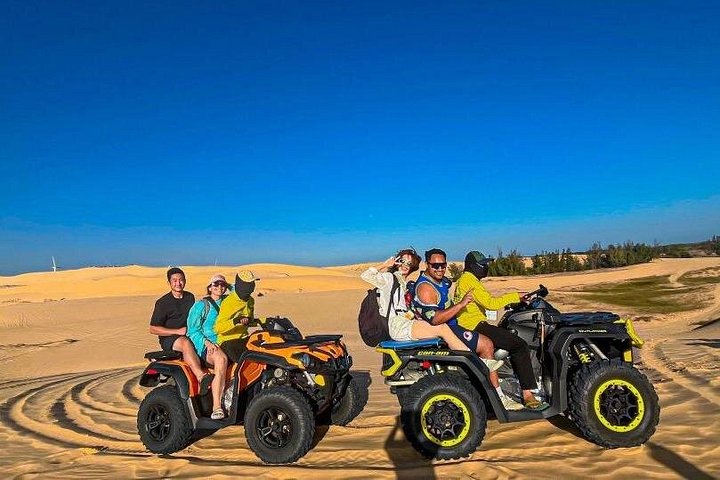
The classic first outing is the sunrise or sunset jeep tour, a four to five hour ride that strings together the Red Sand Dunes near town, the pale White Sand Dunes and lotus lake at Bau Trang and a stop at the Fairy Stream or the harbour. Sunrise is cooler and quieter, so most visitors choose it for their first morning or second morning. If you like a little adrenaline, add a quad bike ride at the white dunes. Wear light clothes, slip-on shoes and a scarf for dust, and bring small notes for sled rental and tips.
Add the coast and the culture
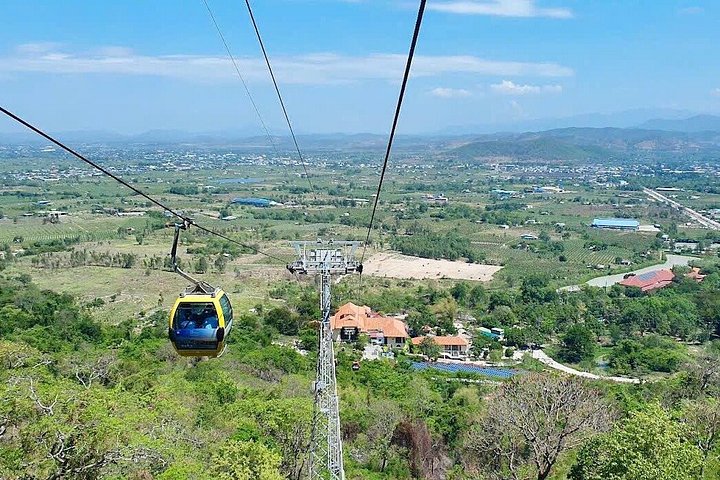
Mui Ne is as much about the sea as the sand. Walk the fishing harbour before seven in the morning to see basket boats, painted vessels and the fish market in action. Later in your stay, a half-day trip by car takes you to Ta Cu Mountain, where a cable car climbs to a huge reclining Buddha, and to the Poshanu Cham Towers, three brick sanctuaries from the 8th and 9th centuries. The Whale Temple in Phan Thiet adds a very local note, with its enormous skeletons and its tradition of honouring the whale as a protector of fishermen.
Get on the water
Even if you have never tried a wind sport, the bay is a forgiving place to start. Schools along the beach offer kitesurfing courses, sailing lessons and stand-up paddling, with shallow water and a sandy bottom. Kitesurfing is seasonal and best from October to April, so check conditions if you travel outside that window. If you prefer to stay dry, a food tour or a cooking class is a better use of an afternoon.
How to get there
Most visitors arrive from Ho Chi Minh City, which is roughly four to five hours by road. Options include shuttle buses, limousine vans and private cars, and the private car is the most comfortable, especially if you have luggage or a group. Travellers coming from Nha Trang or Da Lat can also travel by road, and private transfers are widely offered. There is no airport at Mui Ne, so plan the transfer time into your itinerary, and avoid arriving late on a day you have a sunrise tour booked.
How long to stay
Two nights covers the dunes and the harbour, but three or four nights is better, because it gives you a spare day for wind, weather or rest. If kitesurfing is the goal, plan a week or more. Add a night if you want to take a long day trip to Vinh Hy Bay or Da Lat.
Getting around
Mui Ne's main road runs along the coast for about twenty kilometres, with resorts, restaurants and tour offices spread along it. Taxis and ride-hailing cars are cheap, and many visitors rent a scooter, but traffic and sand make it risky for beginners. Check that your insurance covers scooter riding and that you have the right licence. Most tours include hotel pickup, which removes the need to drive at all.
Practical notes
Mui Ne is hot most of the year, so pack sun protection, a hat and plenty of water. Dress modestly at temples and pagodas, with shoulders and knees covered. Carry some cash for small purchases, and agree prices before you order seafood by weight. Choose accommodation by activity: kitesurfers should look for a resort on the bay, while travellers focused on dunes and food can stay anywhere along the strip. Book your first tours a day or two ahead rather than weeks ahead, so you can match them to the weather.
Money, language and safety
Vietnam's currency is the dong, and cards are accepted at larger hotels and restaurants but not at stalls, so carry cash from an ATM in town. English is widely understood in tourist businesses, and a translation app helps elsewhere. Mui Ne is relaxed and generally safe, but watch your belongings on the beach, agree prices before you start a motorbike taxi ride and keep copies of your passport. Respect the sea: swim where others swim, avoid the water when red flags fly and keep away from kite lines.