Mui Ne is a fishing town first and a resort second, and the food shows it. Boats land their catch at dawn, the sauces are built on the fish sauce that Phan Thiet has produced for centuries, and the best meals are often at simple open-air restaurants where the seafood sits in tanks or on ice. You do not need to spend much to eat very well, but a little guidance helps you order the right dishes.
Start with seafood
Grilled squid, prawns, clams, snails and whole fish are on almost every menu. Many restaurants sell seafood by weight, so you choose a fish or a crab from the display and agree the price before it is cooked. Ask for the price per kilo, how it will be prepared and whether side dishes are included. Prices vary between restaurants, and a quick walk along the street before you sit down helps you compare. Sun-dried squid, grilled until it is chewy and smoky, is a regional speciality and often eaten as a snack with a chilli dip.
Local dishes to try
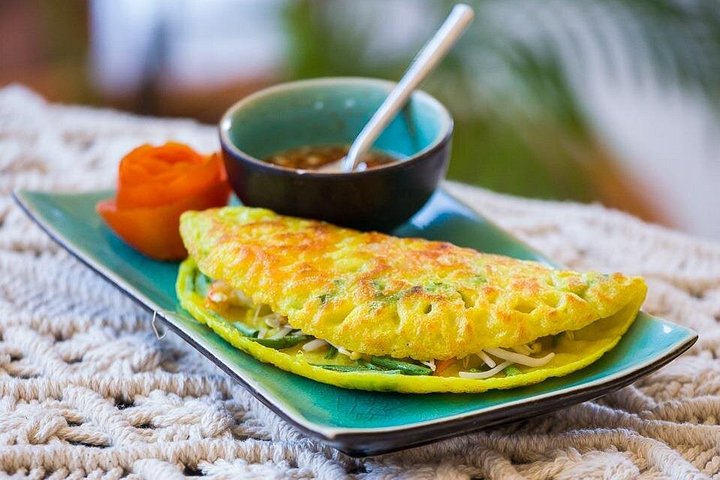
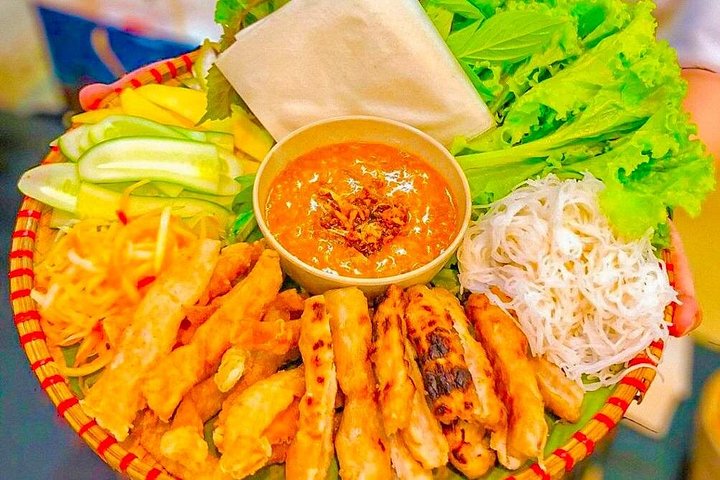
Banh can are small rice flour pancakes cooked in clay moulds and served with fish sauce, herbs and often quail egg or shrimp, a speciality of this part of the coast. Lau tha is a fish hotpot, in which fresh fish and vegetables are cooked at the table in a sour broth. Banh canh cha ca is a thick noodle soup with fish cakes, popular at breakfast. Banh xeo, the crispy savoury pancake, is also easy to find, and fresh spring rolls with seafood are common. Vegetarians can find noodle soups, tofu dishes and vegetable stir fries, but should ask for no fish sauce, which is used widely.
Fish sauce and souvenirs
Phan Thiet is one of Vietnam's best-known fish sauce centres, and the sauce, made by fermenting anchovies in salt, appears in dipping sauces and marinades across the region. You can buy bottles at markets and specialist shops, and some tours include a visit to a producer. Sealed bottles travel best if wrapped carefully in your luggage, and you should check airline rules about liquids. Dried squid and fish are also popular gifts.
Where to eat
The coast road is lined with restaurants, from simple seafood shacks to polished beach clubs. For atmosphere, choose a place on the sand at sunset. For value, try the local restaurants a few streets back from the beach. The fishing harbour area has stalls selling grilled seafood and noodle soups in the early morning. Many resorts have restaurants with international menus, which can be a good option for children or for fussy eaters. A food tour is the easiest way to taste many dishes in one evening, and a cooking class teaches you how to prepare some at home.
Drinks
Vietnamese coffee, strong and sweet with condensed milk, is the standard morning drink. Fresh coconut, sugarcane juice and fruit shakes are cheap and refreshing, and the region is known for dragon fruit, so look for it fresh or in smoothies. Local beer is cold and inexpensive, and many beach bars have happy hours. Drink bottled or filtered water, and avoid ice if you are unsure of its source, although ice in restaurants is usually made commercially.
Etiquette and safety
Eating in Vietnam is relaxed and social. Share dishes, use chopsticks and spoons, and do not worry about finishing everything. Check that seafood is fresh and hot, choose busy places and be cautious with raw or undercooked dishes if you have a sensitive stomach. Tell staff about allergies, particularly shellfish and peanuts, because fish sauce is almost unavoidable. Carry small notes, and ask for the bill to be itemised if you have ordered by weight.
A simple plan
Have a bowl of noodles at the harbour after sunrise, a seafood lunch with banh can, a coffee break in the afternoon and a grilled seafood dinner at sunset. Add a food tour on one night and a cooking class on a slow day, and you will cover the region's best flavours in a long weekend.
Budget and timing
A simple noodle breakfast costs very little, a seafood dinner by weight costs more, and a food tour or cooking class sits in between. Restaurants are busiest from about seven in the evening, so arrive a little earlier for a table by the sea. Many kitchens close by ten, and some close earlier in the wetter months. Ask your hotel for a list of reliable restaurants in your part of the strip and check recent guest feedback.