Three days is a comfortable length for a first visit to Muscat. It is enough to see the great mosque, wander the old souq, visit a museum or two and spend an evening by the sea without rushing, and the city’s relaxed pace suits a plan with plenty of breathing space. The key is to match your days to the opening times, because the mosque and several museums have closing days, and the heat and the long midday break shape the rhythm of the city. Here is a plan that works.
Before you start
Muscat is long and thin, stretching for many kilometres along the coast, so do not try to walk between districts. Taxis are the easiest way to get around, and a driver for the day is sensible if you want to see several places in the east of the city. The weekend in Oman is Friday and Saturday, and Friday is the quiet day, when the Sultan Qaboos Grand Mosque is closed to visitors and many shops open only in the evening. Plan your three days so that the mosque falls on a Saturday to Thursday morning.
Day one: the mosque and the opera
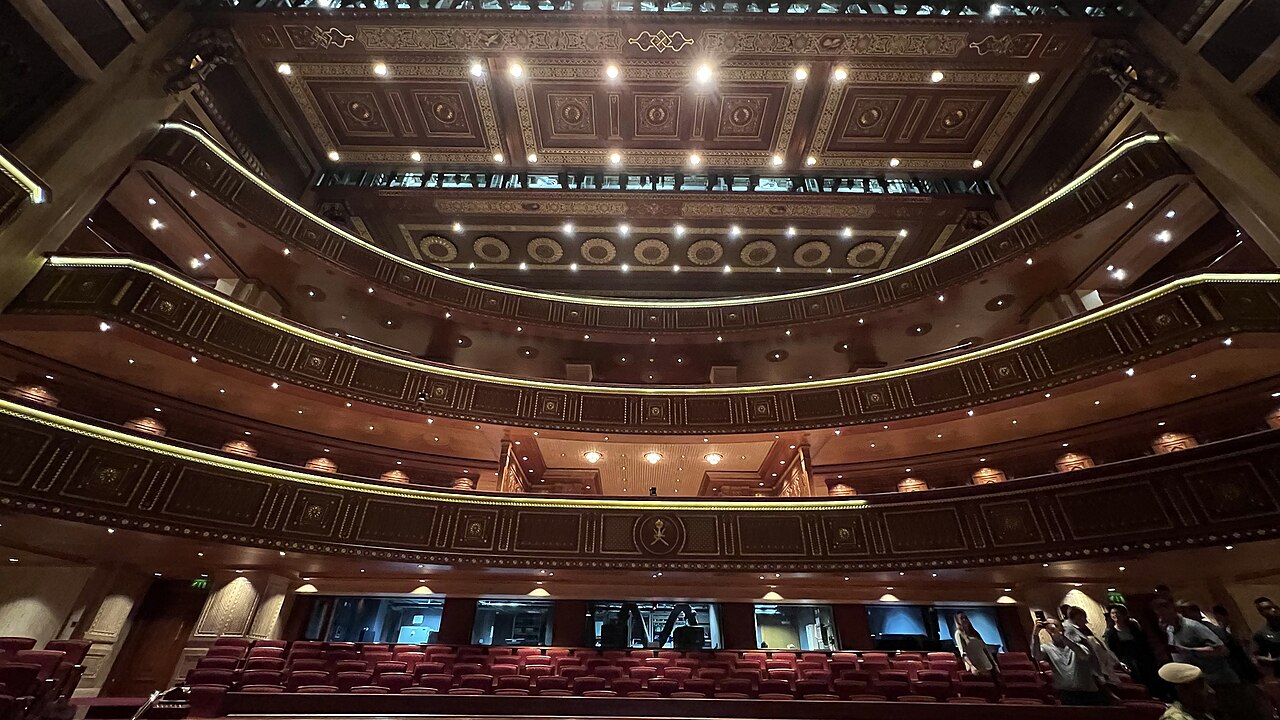
Start early at the Sultan Qaboos Grand Mosque, which is open to non-Muslim visitors on weekday mornings, and arrive soon after the gates open, when the marble is cool and the courtyards are quiet. Dress modestly, with shoulders and knees covered and, for women, hair covered, and allow at least an hour. Have a late breakfast or an early lunch in Qurum or Al Khuwair, then rest during the hottest part of the day. In the late afternoon, take a tour of the Royal Opera House, subject to availability, or simply wander the gardens and the beach at Shati Al Qurum. Finish with dinner by the sea.
Day two: Old Muscat and Mutrah
Spend the second day in the east of the city, where the old town is tucked between the mountains and the harbour. Start at the National Museum of Oman, which gives an excellent overview of the country’s history, and then walk or take a short taxi ride to Bait Al Zubair, a small museum of Omani heritage in a traditional house, remembering that it is closed on Friday. From the waterfront you can see the sultan’s palace and the old forts that guard the harbour; the forts themselves are best seen from the outside, from the road or from the sea. Take a break at midday, then head to Mutrah in the late afternoon, when the shops reopen after the long break.
Mutrah in the evening
Mutrah Souq is at its most atmospheric after sunset, when the lamps come on and the lanes fill with local shoppers. Look for frankincense, silver, pashminas and dates, ask to smell the different grades of frankincense, and bargain gently, because the Omani style is polite and unhurried. Afterwards, walk along the Mutrah Corniche, where dhows sit in the harbour and the old watchtowers are lit on the hills, and have dinner in one of the restaurants overlooking the water.
Day three: choose your adventure
The third day is for the sea or the mountains, depending on your taste. For the sea, a morning dolphin watching cruise is a gentle option, and a sunset dhow cruise gives you a different view of the coast; for snorkelling, the Dimaniyat Islands are a half-day trip. For something more energetic, Wadi Shab is a full-day excursion with a swim through a gorge to a hidden waterfall, though it is a long day. If you prefer a slower pace, spend the day on the beach, in a café or at the hotel pool, and keep your energy for the evening.
If you have more or less time
With two days, combine the mosque and the museums on the first day and Mutrah and the corniche on the second. With four or five days, add one of the classic day trips: Nizwa Fort and its souq in the interior, the Wahiba Sands with a night in a desert camp, or a mountain day at Jebel Akhdar or Jebel Shams. Muscat rewards a slow pace, and it is better to see fewer places well than to hurry through everything.
Practical tips
The cool season, roughly October to April, is the most comfortable for sightseeing. In summer, visit sights early in the morning and spend the middle of the day indoors. Carry water, sun protection and a light scarf, which is useful in the mosque and in the sun. Cards are widely accepted in larger shops, but carry some cash for the souq and small purchases. Check opening hours for the museums before you go, because closing days and holiday hours can change.