Muscat has a hot desert climate, and the time of year you choose changes almost everything about a visit: how much you can do outside, how crowded the sights are, how much hotels cost and even which day trips make sense. The short answer is that the cooler months are the best, but there is more to it than that, and the other seasons have their own advantages. Here is a season-by-season guide.
The cool season, October to April
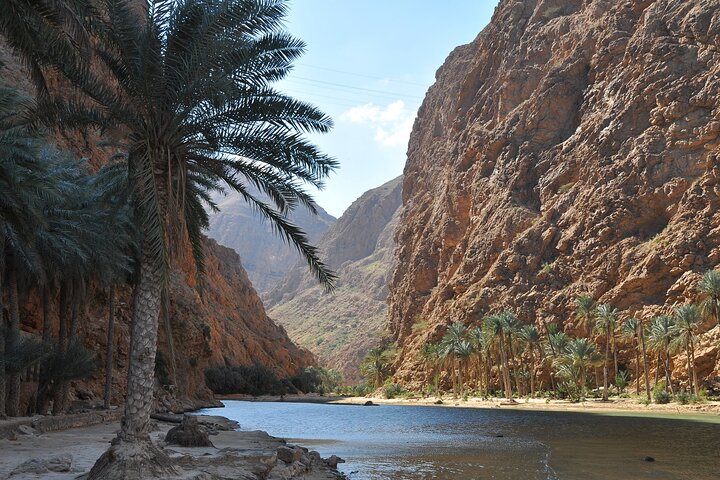
This is the time to come, and the reason is simple: the days are warm and sunny, evenings are mild, and the sights, beaches, wadis and deserts are all comfortable. Experience Oman, the tourism site, recommends September to May for the city and the wadis and September to April for the desert. Within this period, the most pleasant weather is usually from November to March, when daytime temperatures are agreeable and the nights can feel cool, especially in the desert and the mountains. This is also the busiest and most expensive time for hotels, particularly over the winter holidays, so book early.
Winter in the mountains and desert
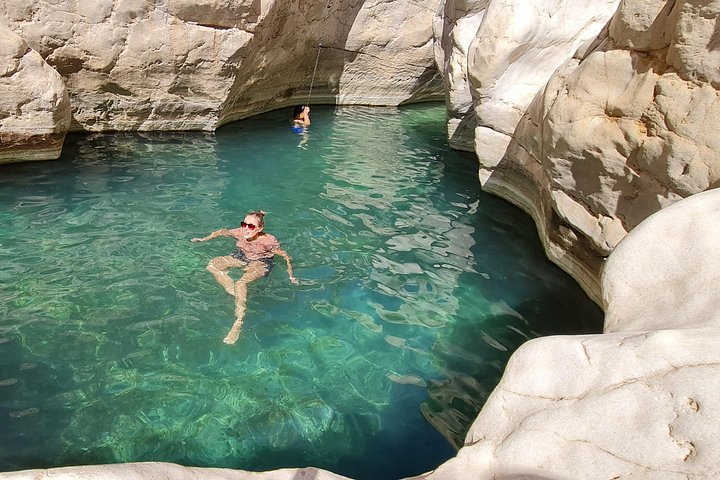
Although Muscat is mild in winter, the mountains and the desert are noticeably colder, especially at night. Jebel Shams and Jebel Akhdar can be cold and windy, and desert camps can be chilly after dark, so pack a warm layer and perhaps a light jacket. The dunes of the Wahiba Sands are at their best in the cooler months, and it is a good time for walking, wadi swimming at midday and long days of sightseeing.
The shoulder months, September and May
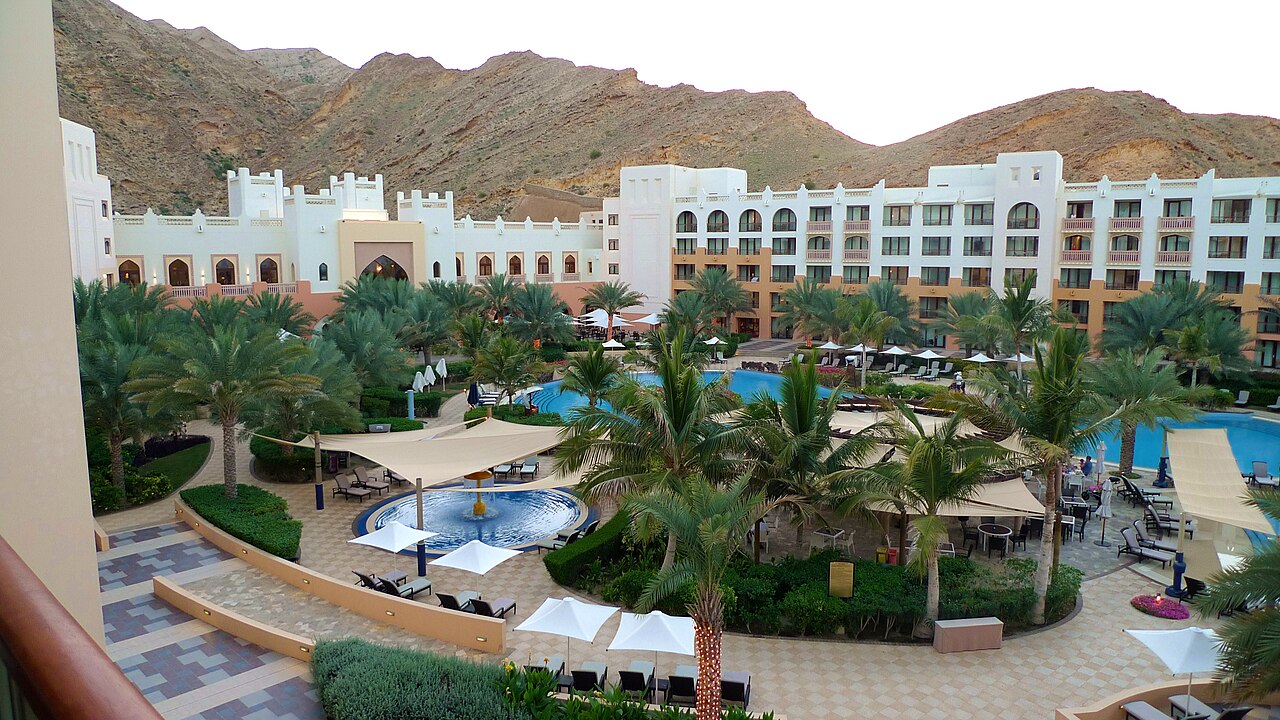
These months can be a good compromise if you want lower prices and fewer visitors. The heat is building in May and lingers in September, so it is best to plan sightseeing for the morning and the late afternoon, and to spend the middle of the day by the pool or in an air-conditioned museum. Hotels often offer better rates, and the sights are less busy. Some outdoor activities, such as hiking and desert trips, are less comfortable, so choose them carefully.
The summer heat, June to August
Summers in Muscat are very hot and humid, and daytime temperatures are high enough to limit outdoor activity to early morning and evening. Many residents leave or stay indoors, and life shifts into the evening, when the corniche and the beaches are busy after sunset. If you visit in summer, you can take advantage of lower hotel prices, quiet museums and shops with air-conditioning, and pools are a pleasure. Water-based activities and the mountains are the best options, since the plateaus of Jebel Akhdar and Jebel Shams are cooler than the coast. Hiking in wadis and the desert are best avoided in the middle of the day.
The southern monsoon
Salalah and the south of Oman have a very different climate, with a monsoon season in summer, called khareef, that turns the hills green and brings cool, misty weather. Muscat itself is not affected in the same way, and the khareef is a separate trip, usually combined with a flight south, but if you are planning to see both regions, it shapes the timing of your visit.
Ramadan and festivals
The timing of Ramadan moves earlier each year, and during it, many restaurants close in the daytime, opening hours of attractions change and visitors should avoid eating, drinking and smoking in public in daylight. Evenings are lively, and many visitors enjoy the atmosphere, but it is wise to check opening hours in advance and plan sightseeing for the morning. Eid celebrations that follow bring holidays and busy roads. National Day in November is another time when the city is decorated and busy, and hotels can fill quickly.
How to choose
If you want the best weather and the full range of activities, come between November and March and book hotels and desert camps well ahead. If you want lower prices and are happy with heat, consider the shoulder months or summer, and plan around the mornings and evenings. If your plans depend on the mosque and the museums, remember their closing days, which stay the same all year. Whenever you come, pack light, modest clothing, a hat and sun protection, and a warm layer for the mountains and the desert.