Nagoya is the easiest big city in Japan to underestimate. It sits about midway between Tokyo and Kyoto on the bullet train line, it has a castle, a famous shrine, museums that explain how modern Japan was built and a food scene all its own, and it is calmer and cheaper than its famous neighbors. Most visitors come for a day or two. This guide shows how to turn that into a trip that works, with the few things worth booking ahead, the closing days that catch people out and how the headline sights fit together.
What to book ahead
The one thing that cannot wait is Ghibli Park. Entry is by date-specific day pass, reservations are needed every day, and passes go on sale two months ahead on the 10th of each month, so plan your date early or take a guided day tour from Nagoya that includes the pass. LEGOLAND Japan does not open every day in the cooler months, so check the park calendar and the attraction closures before choosing a date. Popular eel and miso katsu restaurants can have long lines at peak times, so ask your hotel to reserve dinner, and consider a guided food tour on your first day to learn what to order.
Closing days to know
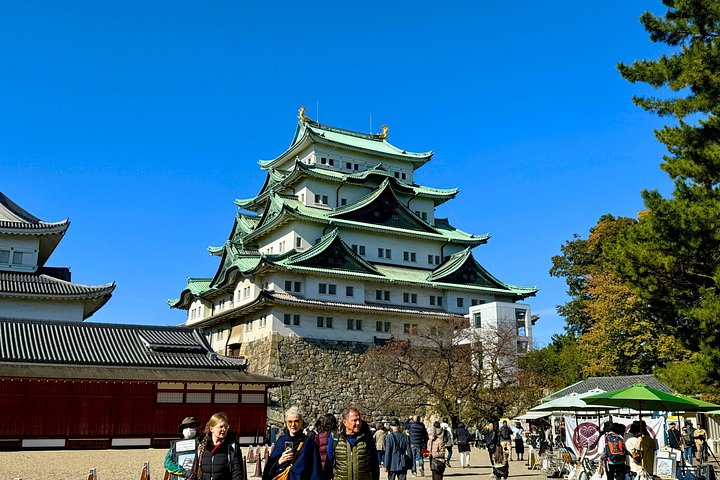
Museums in Japan often close on a weekday, and Nagoya is no exception. The Toyota Commemorative Museum and the Tokugawa Art Museum are closed on Mondays, and the SCMAGLEV and Railway Park is closed on Tuesdays, so plan your week around them. Nagoya Castle closes only over the New Year holiday, but remember that its main keep is closed for the long term and the Honmaru Palace is the part you can enter. Atsuta Shrine is open at all hours, and its Treasure Hall closes on the last Wednesday of the month.
Getting around
Nagoya is a subway city. The Higashiyama and Meijo lines are the most useful, with Nagoya Station, Sakae and Fushimi on the Higashiyama line and the castle and Atsuta Shrine on the Meijo line. The Meguru tourist loop bus connects the castle, the Tokugawa Art Museum and the Toyota museum, and it is worth considering if you plan several sights in a day. The Aonami Line runs from Nagoya Station to Kinjofuto, where LEGOLAND Japan and the railway museum stand side by side. For Inuyama, take the Meitetsu line from Nagoya Station, about thirty minutes. The Shinkansen makes Nagoya an easy stop from Tokyo or Kyoto, and day trips to both are possible, though you will see more by staying put.
How many days
Two days covers the city, and three adds a day trip. A good first day starts at Nagoya Castle and the Tokugawa Art Museum, continues to lunch in Osu and ends with a food tour or a miso katsu dinner in Sakae. The second day belongs to engineering: the Toyota Commemorative Museum in the morning and the SCMAGLEV and Railway Park in the afternoon, with Atsuta Shrine at dawn or dusk. A third day can go to Inuyama Castle for a national treasure keep and a castle town, or to Ghibli Park or LEGOLAND Japan if you have tickets and children. A fourth day lets you do two of those.
Seasons
Spring brings blossom around the castle, and autumn colors the shrine forest and Inuyama's riverside, so those are the best seasons. Summer is hot and humid, so start early and use the museums as an air-conditioned break, and cormorant fishing on the Kiso River at Inuyama is a summer attraction, not an autumn one. Winter is crisp, with clear skies and fewer crowds, though some LEGOLAND attractions close for maintenance and Ghibli Park mornings are cold. New Year is a busy shrine period at Atsuta.
Eating
Nagoya meshi is the point: miso katsu in dark red sauce, hitsumabushi eel eaten three ways, crisp chicken wings and flat kishimen noodles. Lunch sets are the best value, and many places are small and do not take English reservations, so your hotel is your best ally. Osu is the easy place to graze, and the station towers have a huge choice under one roof.
Where to stay
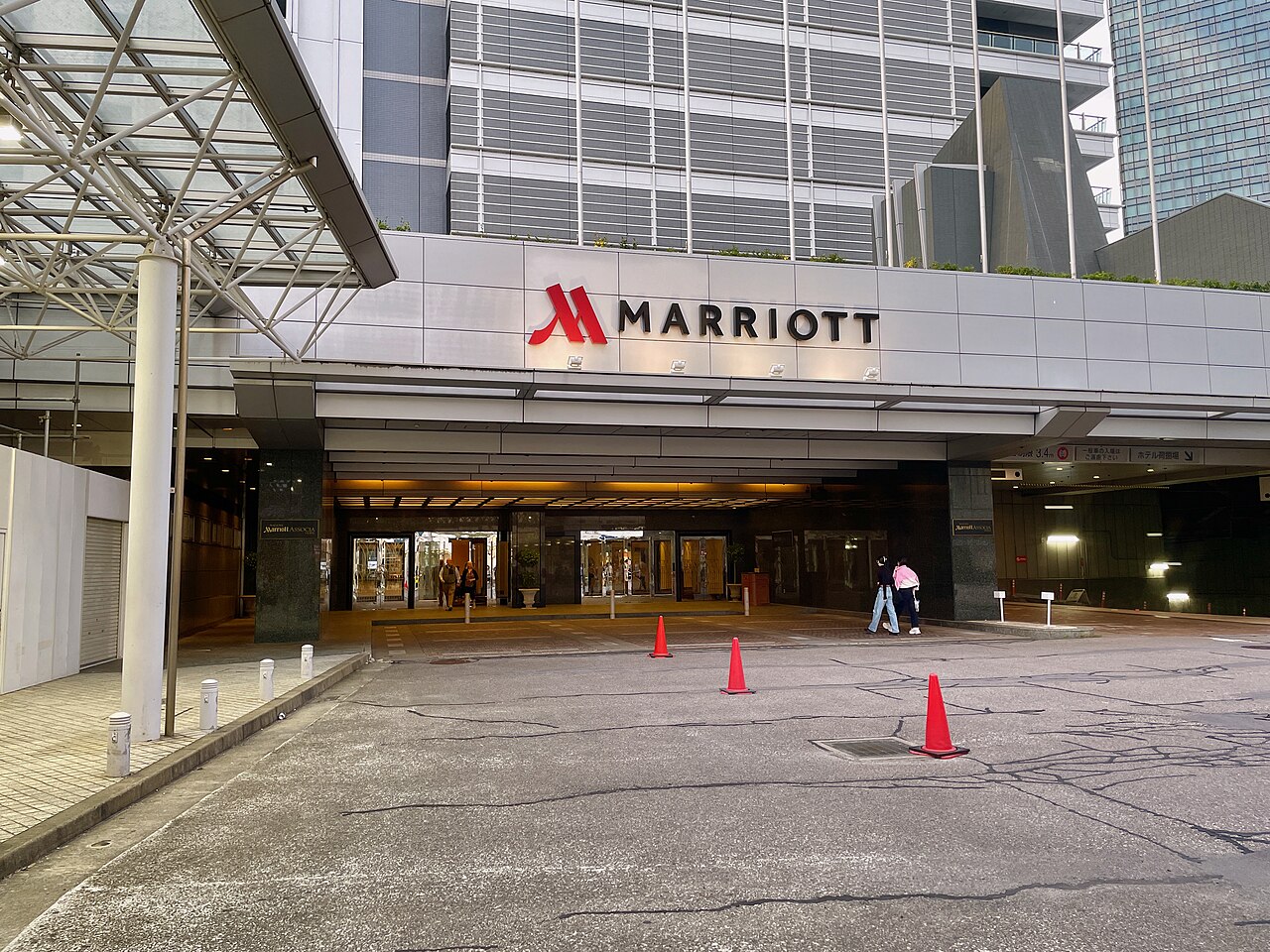
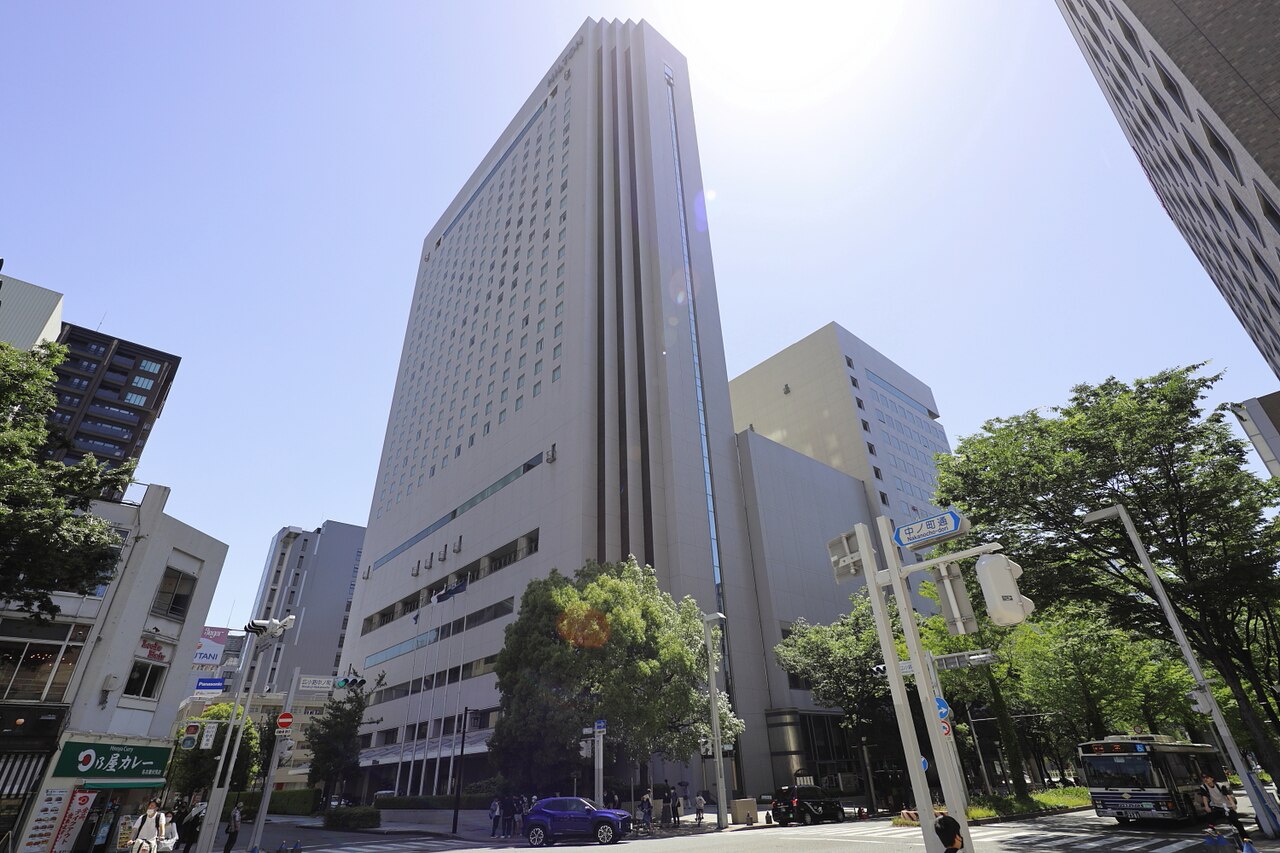
For trains, choose the Nagoya Station area. For shopping and nightlife, choose Sakae. For a budget stay, choose a business hotel near the subway. Our Where to Stay guide compares them in detail and ties each area to a hotel pick.