Three days is the sweet spot for Nagoya. It is long enough to see the headline sights without rushing, and it leaves room for one big excursion beyond the city. The plan below is built around the days when museums close, the way the subway and the Aonami Line connect the sights and the rhythm of a normal travel day, with an early start, a long lunch and a slow evening. Swap days freely if the weather changes, but keep an eye on the closing days, because they are the main thing that can derail a Nagoya itinerary.
Before you start
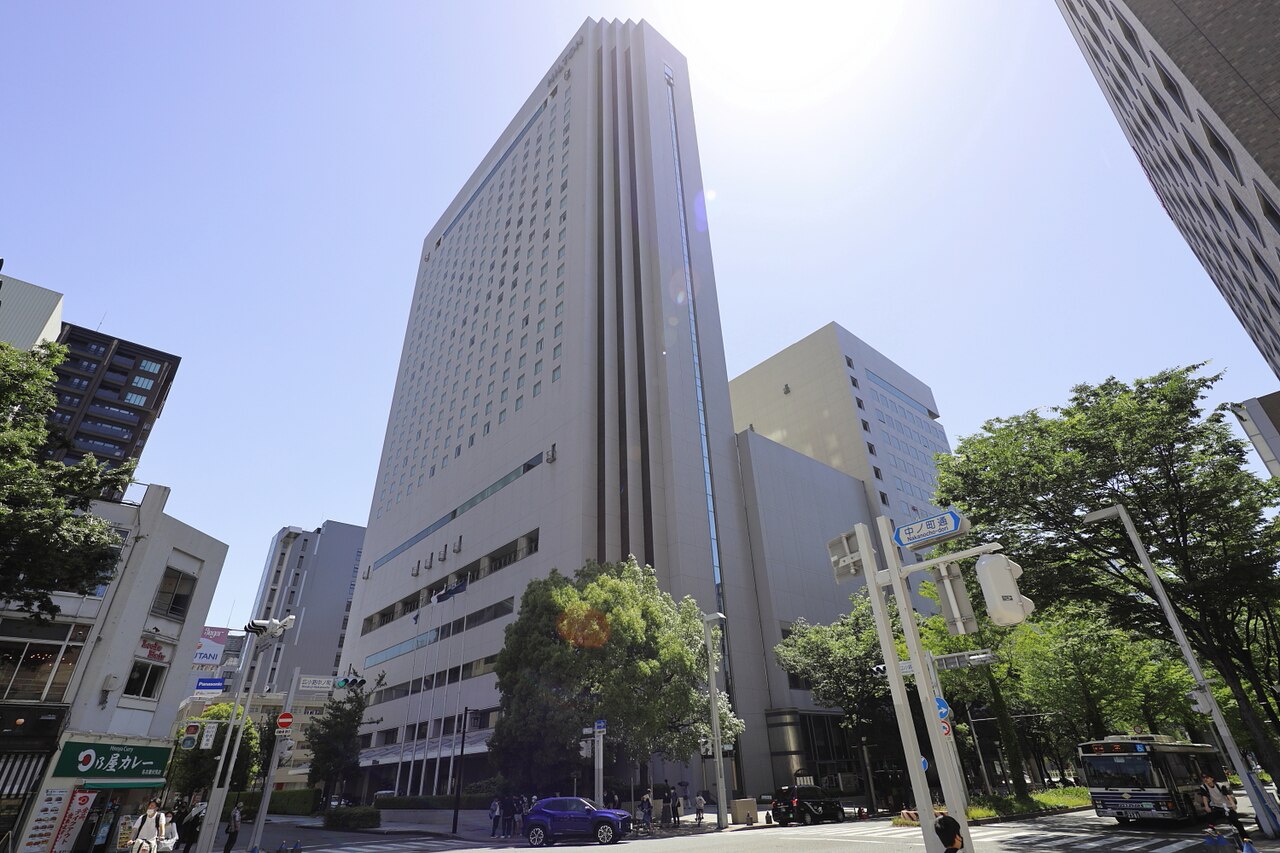
Base yourself near Nagoya Station if you plan day trips, or in Sakae if you want evenings out. Pick up a subway pass for the days you will ride the lines most, and consider the Meguru tourist bus for the castle and museum loop. Remember that the Toyota Commemorative Museum and the Tokugawa Art Museum close on Mondays and the SCMAGLEV and Railway Park closes on Tuesdays, so try to start your trip on a day that avoids those clashes. If your visit includes Ghibli Park, book that date first, because passes are date specific and sell out well ahead.
Day one: samurai and the city center
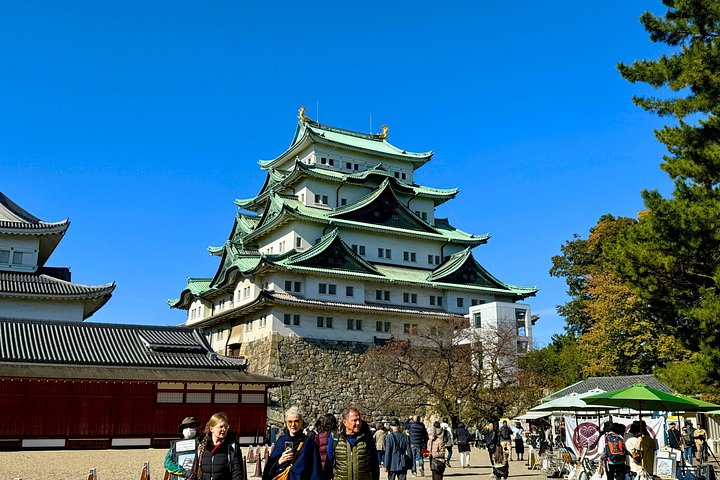
Start at Nagoya Castle soon after it opens, when the grounds are quiet and the light is good. The main keep is closed, so spend your time in the Honmaru Palace, with its painted sliding doors and reception rooms, and walk the moat. From there, ride the subway or the tourist bus to the Tokugawa Art Museum, which holds the treasures of the Owari Tokugawa family, including swords, armor, lacquerware and scrolls, with a garden for a quiet stroll. Have lunch nearby or head to Osu, the old temple and shopping district, for street food, vintage shops and electronics. In the late afternoon, walk Hisaya Odori Park and Oasis 21 in Sakae and stay for dinner. A first night of miso katsu or hand-pulled chicken wings is the right way to start.
Day two: how Nagoya makes things
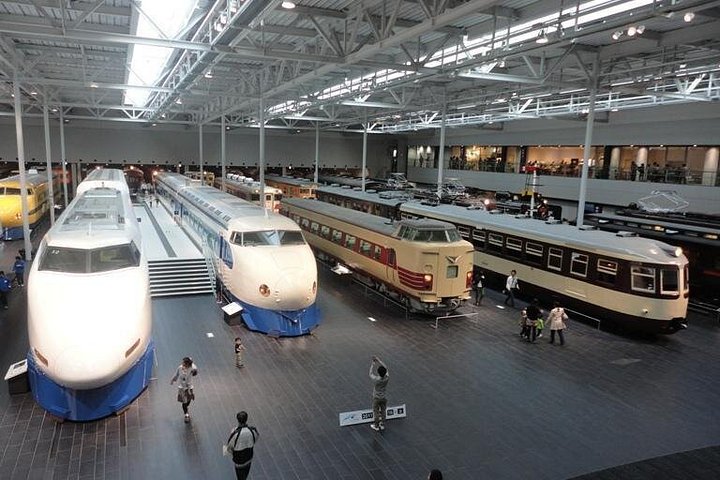
This day is for engineering, and it works as a loop. Begin at the Toyota Commemorative Museum, where the textile machines and the automobile halls explain how a loom maker became a carmaker. Walk next door to Noritake Garden for a look at porcelain craft and an easy lunch on fine china. After lunch, ride the Aonami Line from Nagoya Station to Kinjofuto for the SCMAGLEV and Railway Park, with its full-size maglev and Shinkansen cars. If you have children, the aquarium and LEGOLAND Japan are at the same station, so you can swap the afternoon for a family day. Return to the city for dinner, perhaps eel in the hitsumabushi style, which is served in three ways, as it comes, with seasonings and then as a soup.
Day three: choose your excursion
The third day is for a trip outside the city, and the right choice depends on your interests. Inuyama is the easiest, with a national treasure castle keep, a river view and a historic town about thirty minutes from the station, and you can add Meiji-mura for architecture. For a big landscape day, take a guided trip to Shirakawa-go and Takayama, which is long but memorable. For walkers, the Nakasendo trail between Magome and Tsumago is a gentler, quieter choice. Families with children who love animation will want Ghibli Park, and thrill-seekers may prefer LEGOLAND Japan. Whichever you choose, leave the evening free for a relaxed dinner and an early night.
Adjusting the plan
If you only have two days, combine days one and two and add the castle, the Toyota museum and Osu. If you have a fourth day, add a second excursion or a slower day for Atsuta Shrine, Arimatsu and shopping. In winter, add time for the illuminations that light up parks around the region, and in autumn put the foliage at Korankei on the schedule. In summer, shorten outdoor stretches and use the museums for air conditioning.
Practical notes
Nagoya is easy for English speakers, with signs and station announcements in English on the main lines. Carry a little cash for small restaurants and shrines, and wear shoes you can slip on and off for the palace and some restaurants. Book popular dinners ahead through your hotel and keep a bit of flexibility for weather. With this plan you will have seen the castle, the museums, the food and one real excursion, and you will still have felt like you were on holiday rather than on a schedule.