Nagoya is a city for all seasons, but each one feels different, and the best time depends on what you want to do. The climate is temperate, with four clear seasons, a hot and humid summer and a mild winter, and the region's day trips are strongly seasonal. This guide walks through the year so that you can choose your dates, plan around crowds and pack for the weather.
Spring: blossom and mild days
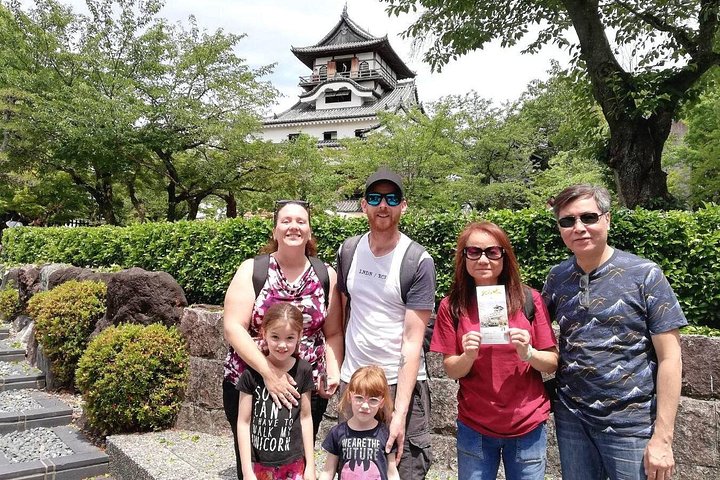
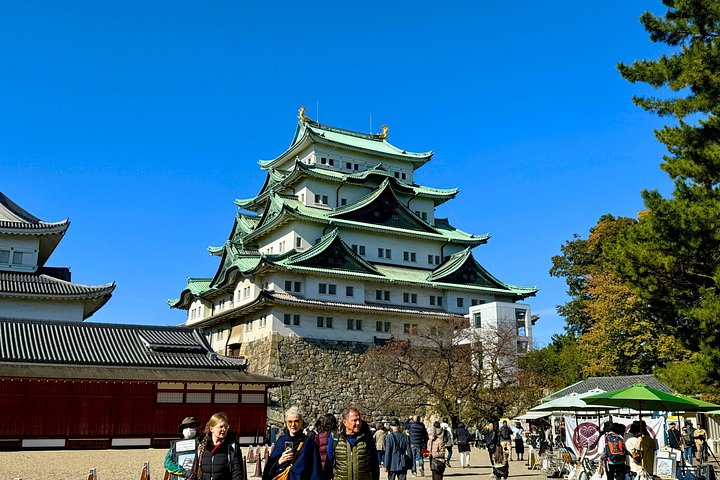
Late March into early April is cherry blossom season, and the moats of Nagoya Castle, Tsuruma Park and the riverside at Inuyama are favorite places for a stroll under the trees. Temperatures are mild and comfortable for walking, and the light is soft. It is a busy time, because spring is a popular season across Japan, so book hotels and trains well ahead and expect crowds at the best blossom spots. Golden Week, in late April and early May, is a national holiday period, with packed trains and attractions, so avoid it if you can. A light jacket and an umbrella cover most days.
Early summer and the rainy season
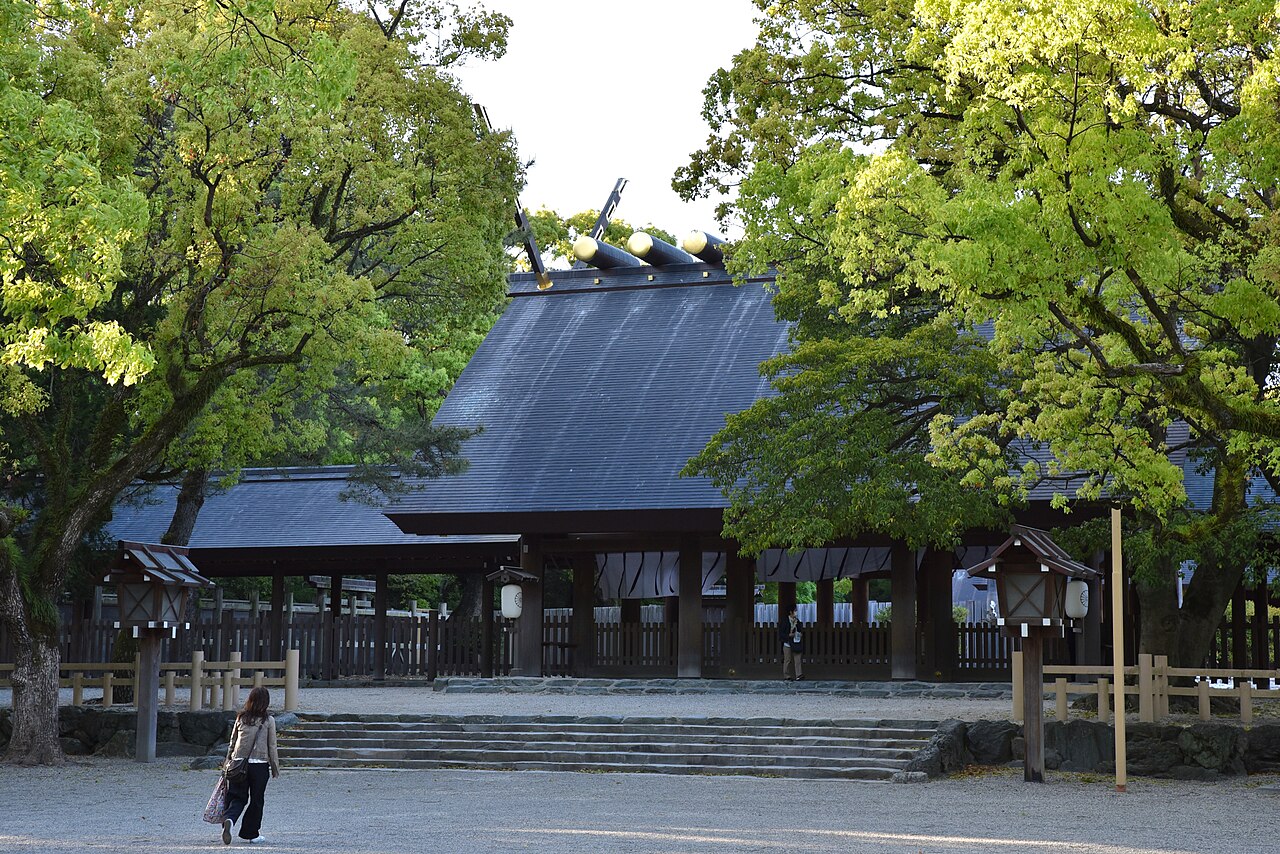
June brings the rainy season, with gray skies and showers, but also fresh green and fewer visitors. It is a good time for museums, the aquarium and indoor sights, and for the Atsuta Festival at the shrine, which is a lively annual event. Carry a compact umbrella and quick-drying clothes. Cormorant fishing on the Kiso River at Inuyama begins in the warm months and is a memorable evening activity.
Summer: hot and humid
July and August are hot and very humid, with temperatures that can feel punishing in the afternoon. This is the time for early starts, long lunches and air-conditioned museums, and for the city's summer festivals and beer gardens in the evening. The grand sumo tournament comes to the city in July, which is a draw for fans. The Japan Alps are cooler than the city, so a trip to the mountains offers relief. Drink plenty of water, wear light clothing and sunscreen, and keep outdoor sightseeing to the morning.
Autumn: color and comfort
Autumn is the best season for many travelers. By October the humidity falls, the air clears and temperatures become pleasant, and typhoons, which are most common in late summer and early autumn, become less likely. Foliage typically reaches its peak in the second half of November into early December, when Korankei Gorge, the shrine forest at Atsuta and the riverside at Inuyama are at their best. Autumn weekends are the busiest, so book early. The city also holds a large festival in the autumn, with parades through the center. Bring layers, because evenings can be cool.
Winter: crisp, clear and quiet
Winter in Nagoya is cold but rarely severe, with clear skies and dry days. It is the quietest season for the castle and museums, and it is a good time for hot food such as miso nikomi udon. Illuminations light up parks and gardens around the region in the dark months, and the mountains to the north bring snow, which makes Shirakawa-go at its most beautiful. Some theme park attractions close for maintenance at quieter times, so check the calendar. The New Year holiday is busy at shrines, and many businesses close for a few days. Pack a warm coat, gloves and a scarf.
Packing in brief
Layers are the safest approach in every season except high summer, when light, breathable clothing and a hat are the priority. Slip-on shoes make temples, palaces and restaurants easier, and a compact umbrella earns its place all year. A small towel is useful in summer, and a pair of gloves is welcome from late November. If you plan to hike the Nakasendo or walk a gorge, bring shoes with grip and a light rain jacket.
Festivals and events
The city's calendar is full of seasonal events, from spring flower displays and summer beer gardens to autumn parades and a winter Christmas market in the center of Sakae. Shrine festivals and craft festivals in towns such as Arimatsu add local color, and the dates can shift, so check the schedule before you plan around one. Event days bring crowds, so book your hotel and trains early.
Choosing your dates
If you want the easiest, most comfortable trip, aim for late October to mid-November or April, avoiding the national holidays. If you want snow, go in winter and add Shirakawa-go. If you prefer to avoid crowds and do not mind rain, June is a good option. Whatever the season, remember the weekly closing days of the museums, and keep a flexible plan so that you can swap an outdoor day for an indoor one when the weather turns.