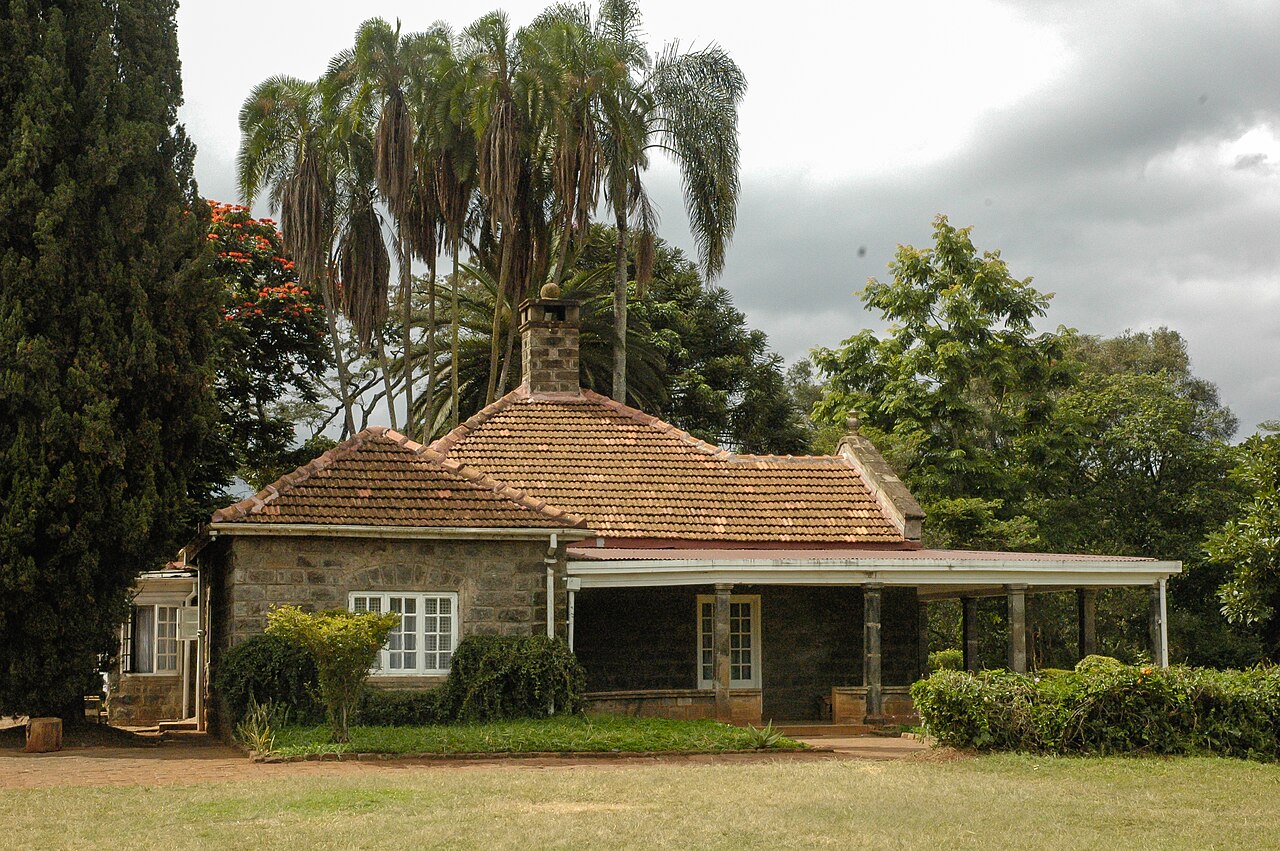
The Ngong Hills rise to the south-west of Nairobi in a line of rounded peaks that early settlers likened to the knuckles of a clenched fist, and they are among the most evocative landscapes in Kenya. Karen Blixen wrote of her farm at the foot of the Ngong Hills in Out of Africa, and her friend Denys Finch Hatton is buried on the slopes, which gives the area a special place in the story of colonial Kenya. Today the hills are a popular half-day escape from the city. A guided hike follows the ridge path through grassland and scattered trees, with sweeping views to the Great Rift Valley on one side and the Nairobi skyline on the other, and a row of wind turbines adds a modern touch to the skyline. Walkers are usually accompanied by a ranger because of the isolated paths, and the guides share stories about the area and its wildlife, which includes birds, small antelope and the occasional buffalo. The trip is described as a hiking and zipline adventure, so tours often add a zipline stop for visitors who want an adrenaline boost after the walk. The hills are close enough to reach in under an hour, which makes the excursion one of the easiest ways to get fresh air and exercise without committing a whole day.
How it works
The tour begins with a pickup in Nairobi and a drive of about an hour to the base of the hills. A guide and, usually, a ranger lead the hike along the ridge, which rises gradually and can be walked at a steady pace. After the walk, you move to the zipline site for a short ride, then return to the city. Check the number of peaks covered, the length of the walk, and whether the zipline is included.
The hike
The ridge path is open and exposed, with wide views, so the weather matters. Dry mornings are best, because mist and rain can reduce visibility and make the path slippery. Expect a moderate walk of a few hours with some uphill sections. Winds on the ridge can be strong, so a light jacket is useful even on sunny days.
Making the most of it
Wear sturdy walking shoes, a hat and sunscreen, and bring water and snacks. Take your time at the viewpoints, where you can see the Rift Valley escarpment and, on clear days, the plains stretching towards Kilimanjaro. Combine the trip with the Karen Blixen Museum, which sits at the foot of the hills, for a complete Out of Africa day. Follow the ranger’s instructions at all times, and never walk the ridge alone.
Planning notes
Although the walk is short, the altitude is around two thousand metres, so you may feel slightly out of breath if you have just arrived. Drink water regularly and wear sunscreen even on cloudy days. Weather moves quickly across the ridge, and a light rain jacket is a sensible addition to your daypack. Do not leave valuables unattended in the vehicle, and keep to the path indicated by your ranger, who knows the safest route. Start early, because the ridge is more pleasant before the midday sun.
What to expect
The experience
A guided hike along the Ngong Hills ridge with a ranger, followed by a zipline stop.
Best time
Dry mornings, when views are clear and the path is firm.
How long
Five to six hours including transfers.
Tips
Wear sturdy shoes, carry water, bring a windproof layer and follow the ranger’s directions.
Quick picks
- Best for
- Active travellers who want a short hike with big views close to Nairobi.
- Families
- Suitable for teenagers and fit older children, with the zipline as a highlight.
- Couples
- Open ridge views and fresh air make a memorable half-day outing.
- Pair with
- The Karen Blixen Museum, which is at the foot of the hills.
- Time needed
- A half day.
Good questions
Why are the Ngong Hills famous?+
Karen Blixen wrote about her farm at the foot of the hills in Out of Africa, and Denys Finch Hatton is buried on the slopes.
Do I need a ranger?+
Hikers are usually accompanied by a ranger because the ridge path is isolated, and guided tours arrange this.
How hard is the hike?+
It is a moderate walk with some uphill sections. Most reasonably fit visitors can manage it.
How far are the hills from the city?+
They are around an hour from central Nairobi by road, depending on traffic.
What should I wear?+
Sturdy shoes, layers, a windproof jacket and sun protection.