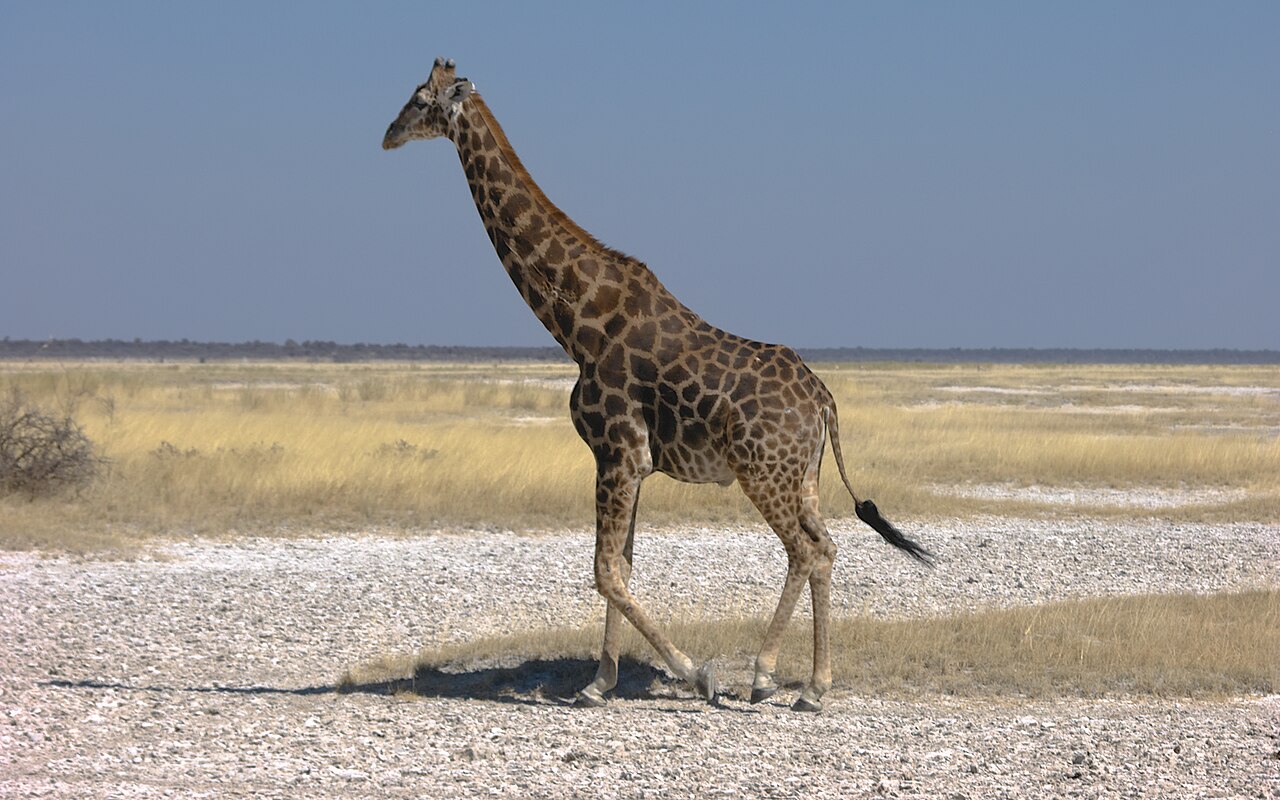
Namibia is one of the driest countries in Africa, and it is sunny for most of the year, but the best time to visit depends on what you want to see. The seasons shape wildlife viewing, temperatures, road conditions and even the colour of the landscape. This guide explains how the year works so you can match your dates to your priorities.
The dry season: roughly May to October
This is the classic time for a safari. With almost no rain, water becomes scarce, so animals gather at the waterholes in Etosha and are easy to find. Vegetation thins out, which improves visibility, and days are warm and clear with cool to cold nights. In the highlands, including Windhoek, nights can be close to freezing in the middle of winter, so pack proper layers. The late dry season, from around August to October, is generally the peak for game viewing, though it also brings dust and the heat begins to build towards the end. It is also the busiest time for lodges, so book well ahead.
The green season: roughly November to April
Rain arrives in the summer months, usually in short, heavy storms, with the heaviest falls typically in the early part of the year. The landscape turns green, wildflowers appear in places and migrant birds arrive, which is a joy for birdwatchers and photographers. Animals disperse because water is available everywhere, so game viewing is harder in Etosha, but baby animals are born and the park is quieter. Days can be hot, particularly in the north and inland, and some gravel roads become muddy after storms, so check conditions if you plan to self-drive.
Sossusvlei and the Namib
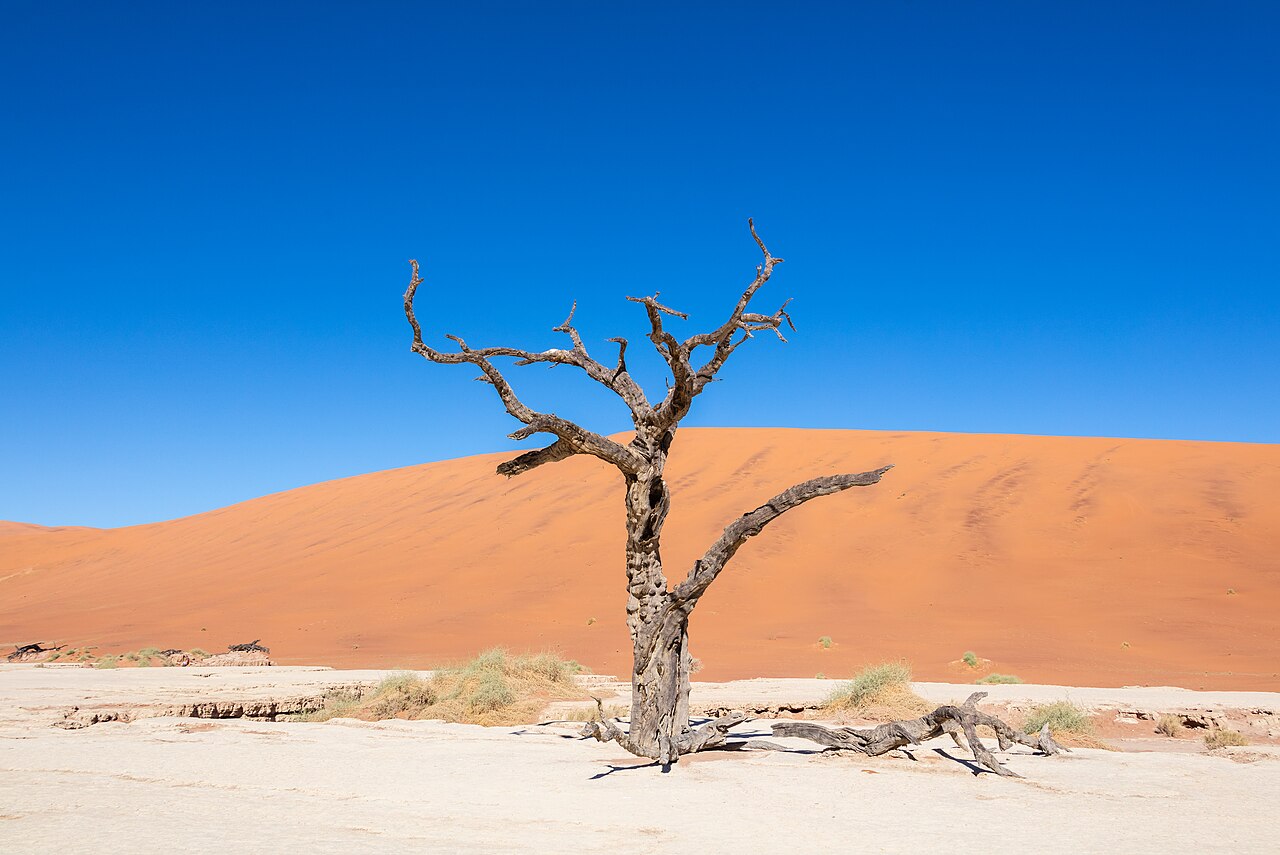
The dunes are spectacular all year, but temperatures vary. From about May to September the mornings are cool and comfortable for the dune climb, while the middle of summer, from roughly December to February, can be extremely hot by midday. Whatever the season, go at sunrise, carry plenty of water and plan to be off the dunes before the heat peaks. Cloud is rare, so skies are usually good for photography, and winter nights are excellent for stargazing.
The coast: Swakopmund and Walvis Bay
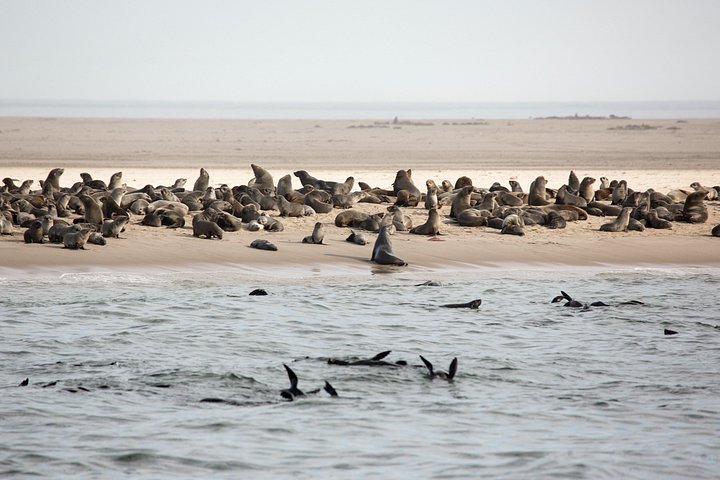
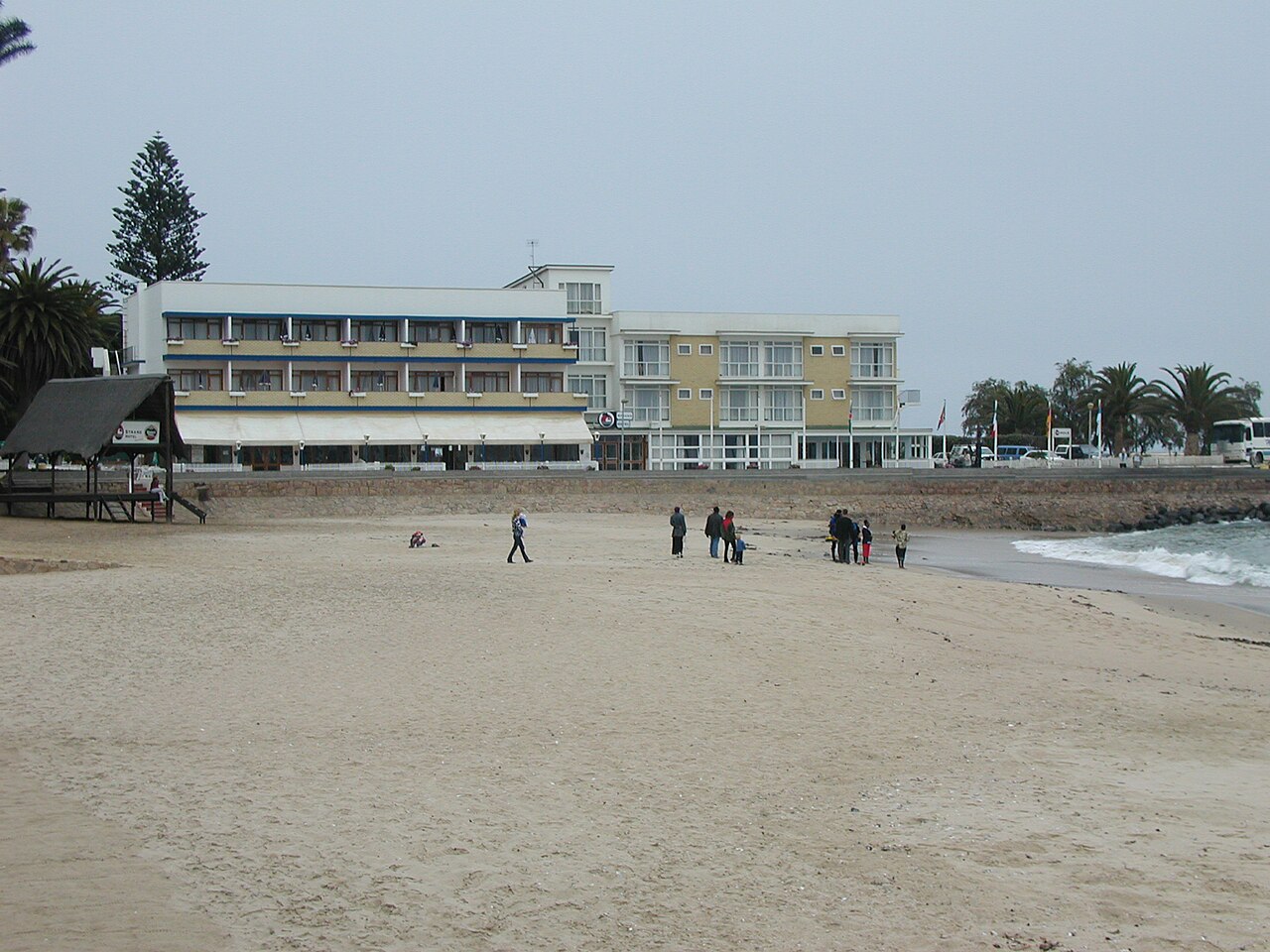
The coast follows its own rules. The cold Benguela Current creates fog and mild, often cool conditions all year, so Swakopmund can be grey and breezy when the interior is baking. That makes it a good escape from inland heat in summer, and it is why Namibians flock to the coast over Christmas and Easter. Pack a jacket whenever you go. The marine life is year-round, with seals and pelicans a constant, and dolphins and other marine visitors depending on conditions. Flamingos at the Walvis Bay Lagoon vary through the year.
Cape Cross and the seals
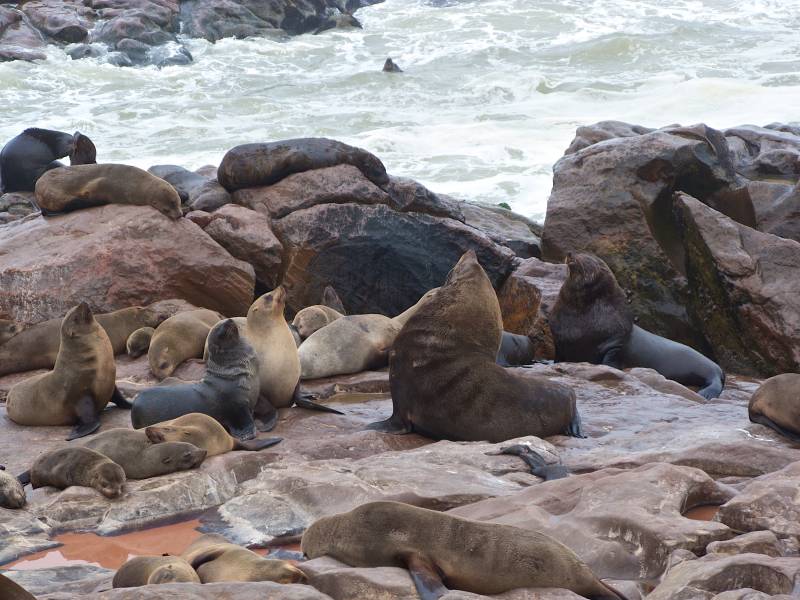
The Cape fur seal colony at Cape Cross is large throughout the year, but the breeding season is a highlight. Pupping typically peaks around November and December, when the colony is at its busiest and noisiest and the beach is full of newborns. The smell and noise are intense at any time, so it is a stop for those who love wildlife and can handle a strong sensory experience.
Crowds and costs
The dry season, particularly July to October, is the high season for lodges and tours, with the busiest weeks around European school holidays. Prices and availability tighten, so book early. The shoulder months, including May, June and November, offer a good balance of decent weather, fewer visitors and flexible bookings. The green season often brings lower rates and a quieter experience for those who accept the trade-offs.
So, when should you go?
For classic safari, aim for June to October. For photography and birdlife with fewer crowds, consider the green season. For the dunes, aim for the cooler months, and for the coast, anytime works as long as you pack warm. If you only have one chance, the shoulder of the dry season, around May or late October, balances wildlife, weather and crowds well. Whatever you choose, build in flexibility, because Namibia's distances and weather can change a plan.
A note on safety and comfort
Whatever the season, treat the sun and the distances with respect. Carry more water than you think you need, use sunscreen even on cool, foggy coastal days and keep an eye on fuel levels. In the dry season the dust can irritate eyes and cameras, so carry a lens cloth and a protective bag. In the green season, check road conditions locally before long drives. Good planning turns the weather from a worry into part of the adventure.