Namibia has a reputation as an expensive destination, and it is true that long distances, remote lodges and car hire add up. But there are plenty of ways to keep costs down without missing the best of the country, especially if you base yourself in Windhoek and Swakopmund. This guide covers where to save, where to spend and how to plan cleverly.
Know where the money goes
Transport and accommodation are the big costs, followed by guided excursions. Food is generally reasonable, particularly if you eat where locals eat. The biggest savings come from sharing, so travelling with companions to split car hire, fuel and rooms makes a major difference. Solo travellers can look for small-group tours, which spread costs across several people, rather than private ones.
Free and low-cost sights in Windhoek
The capital rewards walkers. The Christuskirche, Independence Avenue, the Alte Feste and the Tintenpalast can be seen in a morning for little or nothing, and the city sights are compact enough to cover on foot or with a short taxi hop. For a deeper look, a Katutura township tour is modestly priced and offers history, markets and local food. If you want a nature fix, Daan Viljoen is a short drive west of the city and offers walking trails, a dam and plains game for a small entry cost. Pack a picnic and make an afternoon of it.
Free and low-cost sights in Swakopmund
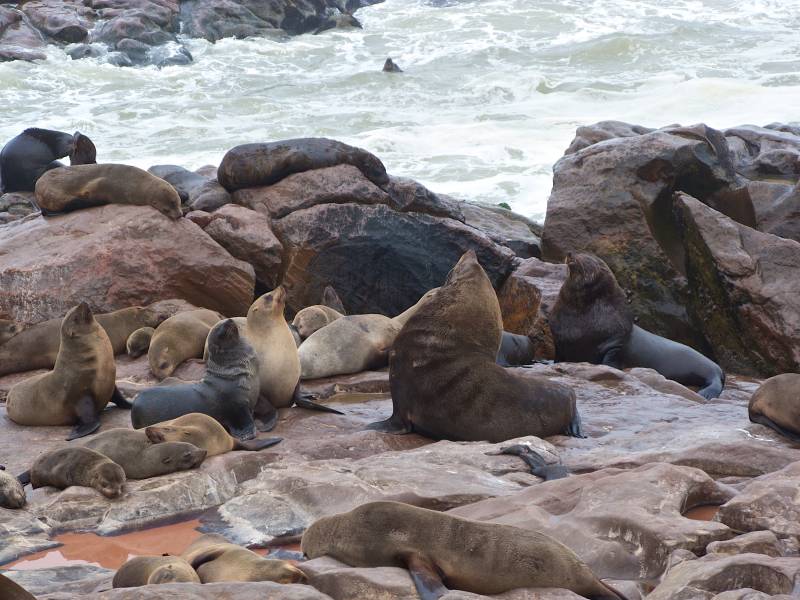
The coast is excellent for walking. Stroll the seafront, the Mole and the jetty, browse the old German buildings and watch the surfers and fishermen. The Swakopmund Museum and the Kristall Galerie charge modest entry fees and are good rainy or foggy day options. A Mondesa township tour is a good-value, human way to see a different side of the town. Cape Cross costs little to enter and delivers one of the most striking wildlife scenes in the country, particularly in the pupping season. A shared Dune 7 and lagoon half day gives a taste of the dunes and the birdlife without the price of a full-day expedition.
Where to save on tours
Compare group tours with private ones, because the price difference can be large. Look for half-day options instead of full days, and combine activities where operators offer a package. Quad biking and sandboarding combos usually cost less than booking each separately. Book direct or compare operators, and ask what is included, such as park fees, drinks and equipment. Avoid squeezing in too many activities: choose a few that really matter to you, such as Sandwich Harbour or Sossusvlei, and enjoy the free sights around them.
Cheap places to stay
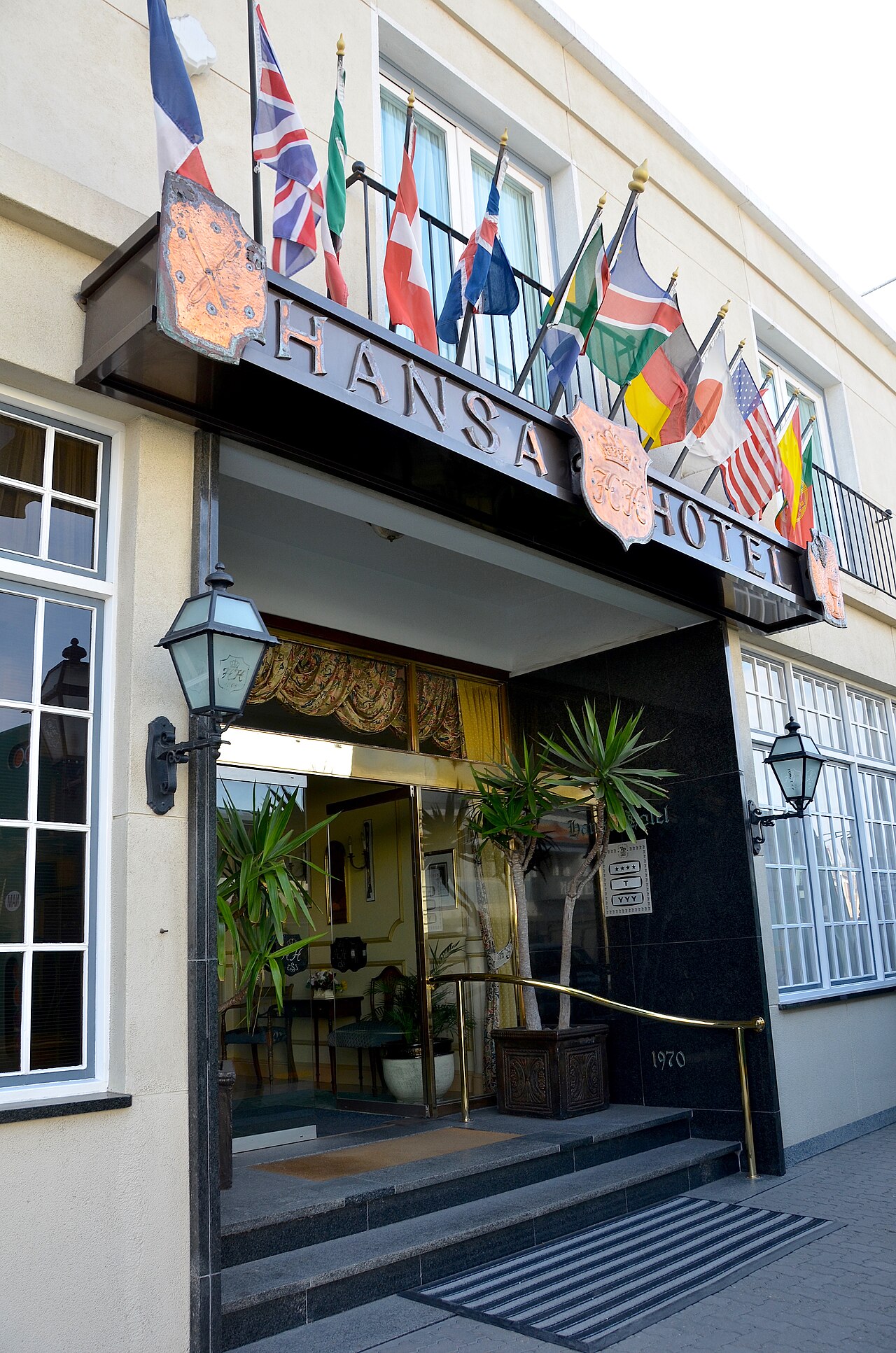
Guesthouses and mid-range hotels give the best value. In Windhoek, the leafy suburb of Klein Windhoek has guesthouses such as Capbon, which offers a pool, parking and family rooms at a gentler price than the big hotels. In Swakopmund, the Hansa Hotel is a historic, centrally located option, and The Delight is a straightforward courtyard hotel with family rooms near the Mole. Cooking for yourself where a kitchen is available, or choosing a rate with breakfast, can trim costs further. Book early for Christmas and Easter, when prices rise and rooms disappear.
Getting around cheaply
Car hire is the classic choice but it is not cheap, especially for a 4x4 and with fuel. Sharing is the best way to cut costs. If you stay only around Windhoek and Swakopmund, you may not need a car at all, since tours collect from hotels and taxis cover short hops. For the long run between the two, shared shuttles and buses exist, so compare them with the cost of hiring a car for a few days.
Where it is worth spending
Pick one or two experiences that justify the cost. For many visitors, that means a guided trip to Sossusvlei or Etosha, where a good guide and a well-run small group make a huge difference. Save elsewhere to afford them. A good rule is to splurge on the thing you came for and economise on everything around it, so you leave with the best memories and a manageable bill.
A sample plan
Spend a night or two in Windhoek on foot and by taxi, add a Katutura tour and a morning at Daan Viljoen, then travel to Swakopmund for three nights in a guesthouse or mid-range hotel. Fill the days with free seafront walks, the museum, Cape Cross and one well-chosen tour, such as the Living Desert or Sandwich Harbour. Eat at local cafes, share transport where you can and book early for peak holidays. It adds up to a trip that feels rich without being extravagant.