Naxos is the island that feeds itself. Among the Cyclades, it has the most farmland, the most water and the most pasture, and that shows on the plate. The cooking is simple, seasonal and built on ingredients that come from a few kilometres away. If you eat well anywhere in the Aegean, you can do it here.
The ingredients to know
Start with cheese. Graviera is the best known, a firm, slightly sweet cheese that is aged and used both for the table and for cooking. Softer cheeses such as myzithra and anthotyro are common, and arseniko is a stronger aged local speciality. Potatoes are famous across Greece and appear in stews, fried with eggs and roasted with herbs. Tomatoes, courgettes, aubergines and greens grow in the valleys, olive oil comes from the groves and honey from the hills. Meat is usually lamb, goat, pork or rabbit, often cooked slowly in the oven. Fish and seafood are fresh in coastal tavernas, but fish is often priced by weight, so ask before you order.
Drinks
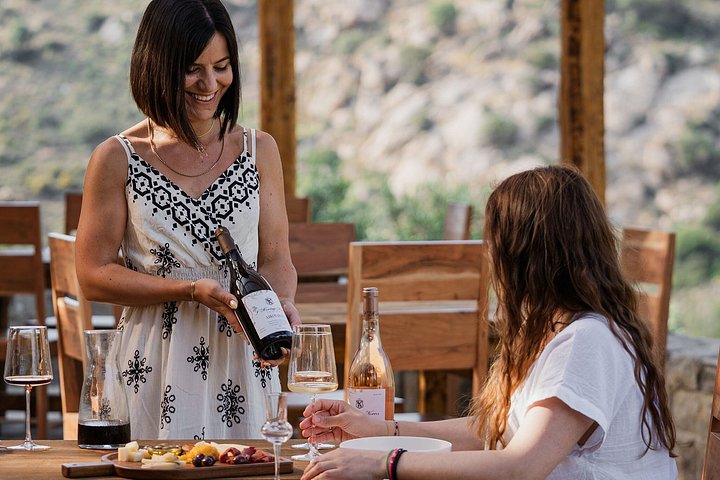
Kitron is the island's special drink, a liqueur made from the leaves of the citron tree and served cold after dinner. It comes in clear, green and yellow versions, and the distillery in Halki offers guided tastings. Local wine is made from island vineyards, and tastings are available at small estates. Raki and tsipouro appear at the table in village tavernas, and Greek coffee is served everywhere.
Where to taste
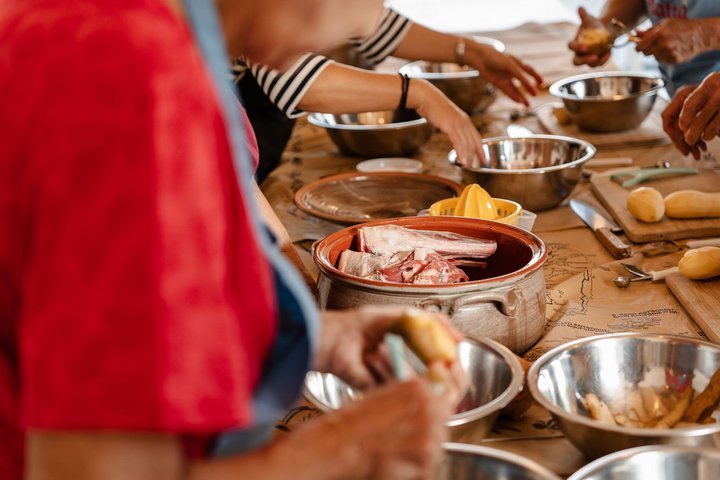
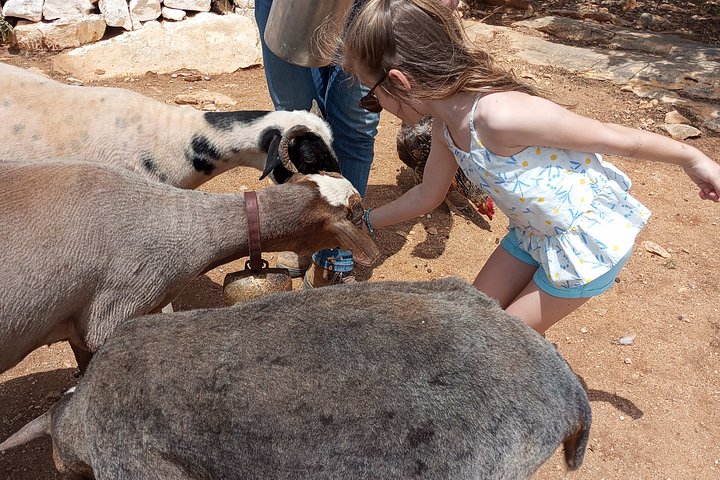
The easiest way is a guided evening food tour in Chora, where a local leads you through several stops to taste cheeses, cold cuts, pies, sweets and wine. For a more rural experience, visit a dairy farm for a hands-on cheese-making session, take a cooking class on a family farm or join a vineyard tour and tasting. The farm experiences show you where the food comes from and usually end with a long, shared meal. A village lunch in Apeiranthos or Halki is also a good option.
What to order in a taverna
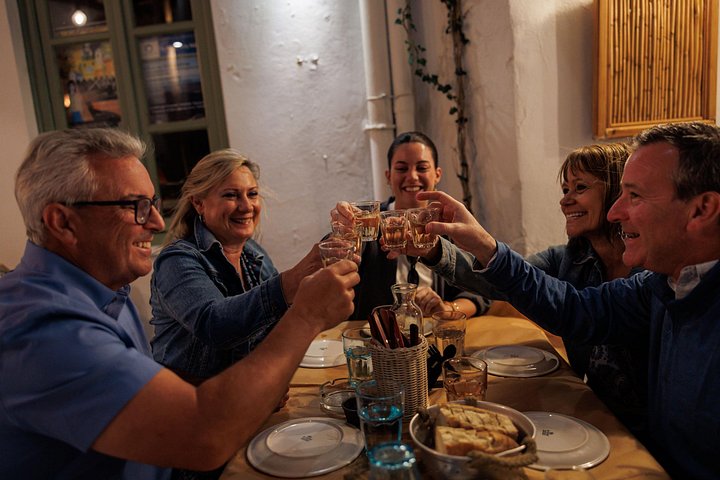
Start with a Greek salad or local greens, add fried cheese or a cheese pie, and share a few plates. Look for stuffed vegetables, slow-cooked meat dishes, potato dishes and anything described as homemade. Ask what is fresh today. In coastal tavernas, grilled octopus, calamari and fish are classics. Finish with a spoon sweet or a small glass of kitron.
Eating in Chora
The old town offers a concentration of tavernas, cafes and bakeries, from simple grill houses to more modern kitchens. The waterfront has views of the Portara, which can mean higher prices. Walk a few lanes inland for good value and a more local feel. Bakeries serve cheese pies and sweets for breakfast.
Eating on the beach
Beach tavernas range from simple snacks to full meals. Agia Anna has tavernas close to the water, and Plaka and Mikri Vigla have relaxed beach bars. Prices are often higher on the sand, so check menus.
Dietary needs
Vegetarians eat well in Greece, as many dishes are meat-free. Vegans can find vegetable dishes, beans and salads, although cheese and honey are common. Allergies should be mentioned clearly. Tour operators and cooking class hosts can usually accommodate requests with notice.
Timing
Greeks eat late. Lunch is often at two or three in the afternoon and dinner after nine. In peak season, many tavernas open earlier for visitors. Book a table for popular waterfront spots in July and August.
Buying to take home
Graviera, honey, olive oil, kitron and wine make good gifts. Check airline rules on liquids and cheese, and ask shops to pack goods for travel.
A sample day of eating
Start with a cheese pie or yoghurt with local honey and fruit from a bakery. For lunch, share a salad, fried cheese and a plate of stuffed vegetables at a village taverna, with a carafe of house wine or a cold beer. In the afternoon, stop for a Greek coffee and a spoon sweet, or an ice cream by the harbour. Dinner is a long, relaxed affair: a few shared starters, a main of slow-cooked lamb or grilled fish, a dessert on the house and a small glass of kitron to finish. Prices are modest by Cycladic standards, particularly in village tavernas away from the waterfront.
Seasonality
Greens, wild herbs and artichokes arrive in spring, tomatoes, aubergines and peaches in summer, grapes and figs in early autumn and citrus and olives in winter. Ask what is in season, and be flexible with menus. Some small tavernas close outside the summer, so check opening hours in spring and autumn, particularly in villages and on beaches.