Naxos surprises first-time visitors because it does not behave like the famous Cycladic postcards. It is large, green and farmed, with an interior of mountains and valleys, and the beaches are only part of the story. That is a good thing, but it means a little planning pays off. This guide covers what to know before you arrive.
How big is it?
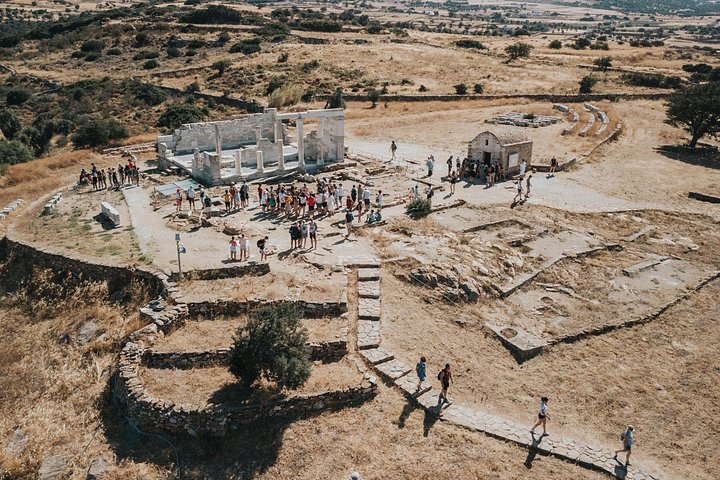
Naxos is the largest island in the Cyclades, around 430 square kilometres. The main town, Chora, is on the west coast, the best sandy beaches line the south-west coast, and the mountain villages lie inland. Driving from one end of the island to the other takes a good part of a morning. That scale is why many visitors rent a car for part of their stay.
Getting there
Most visitors arrive by ferry from Piraeus or Rafina near Athens, or from other islands, and the crossing takes several hours depending on the vessel. There is also a small airport with flights from Athens in season. Schedules change by season, and in July and August ferries and flights book out, so reserve early. Ferry strikes and wind can disrupt travel, so avoid tight connections on your departure day.
Where to stay
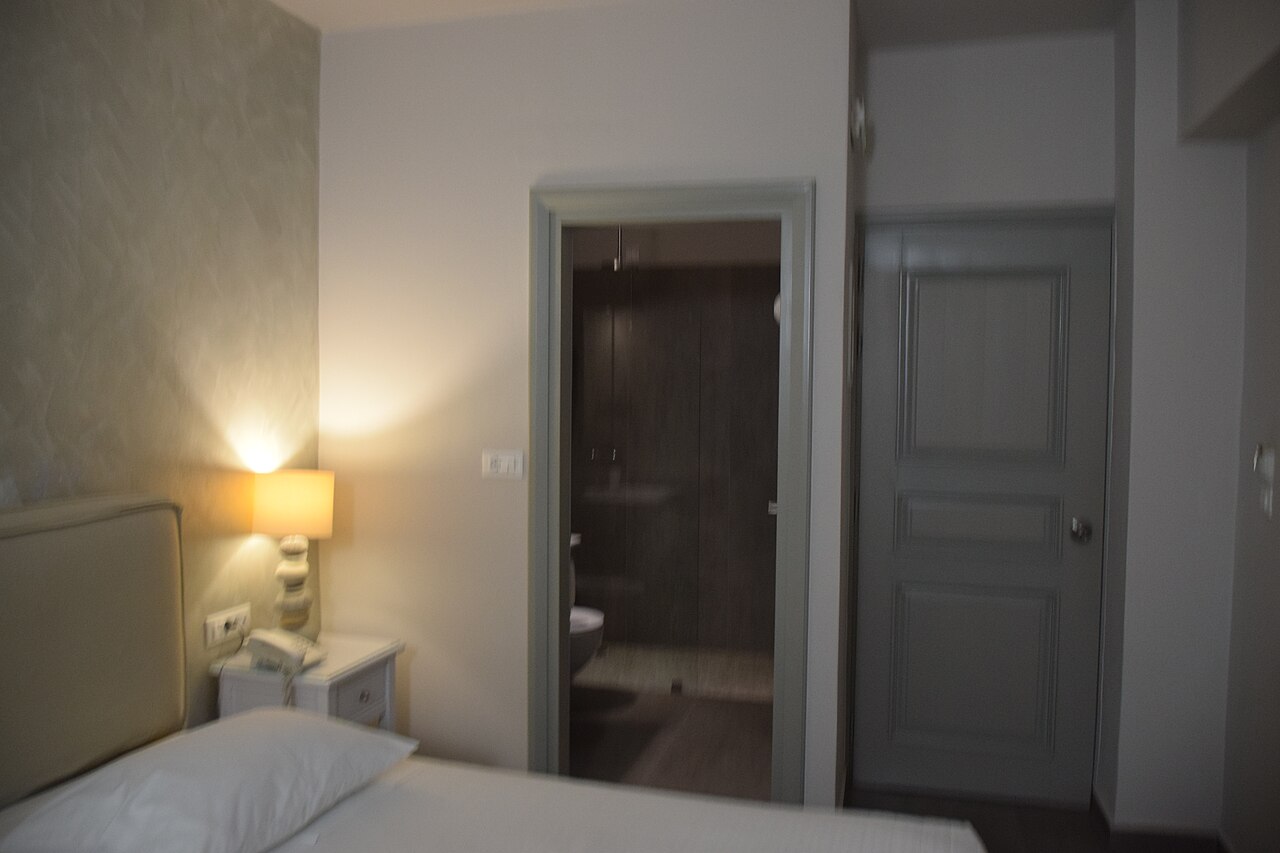
The choice is between Naxos Town and the beach strip. Chora gives you restaurants, history and the port. Agios Georgios is the town beach, close enough to walk to dinner. Agios Prokopios and Agia Anna are the busiest resort areas, and Plaka is quieter and more spread out. Mikri Vigla suits kitesurfers. Villages in the interior offer authentic charm but require a car. Read our guide to where to stay for a fuller comparison.
Getting around
Public buses connect Chora with the main beaches and some villages, with frequent service in summer and a reduced timetable in winter. Taxis are available but limited in peak season, so book ahead for early flights. A hire car or scooter gives freedom, but roads in the interior are narrow and winding, and parking in villages is tight. Drive carefully, especially at night and on mountain bends. All-terrain vehicles are common but have an accident record, so be cautious and check your insurance.
Money and costs
Naxos is more affordable than the best-known Cycladic islands, particularly for food and accommodation outside July and August. Cash is useful in small villages and tavernas, although cards are widely accepted in towns.
What to book ahead
In July and August, reserve hotels, rental cars and boat trips well in advance. Popular cooking classes, food tours and small-group cruises have limited places. In shoulder seasons you can often arrange things a few days ahead.
Weather and wind
Summers are hot and dry, with the meltemi wind blowing strongly in July and August. It cools the heat but can disrupt boats and make some beaches rough. Spring and autumn are milder. Winters are quiet, with some businesses closed.
What not to miss
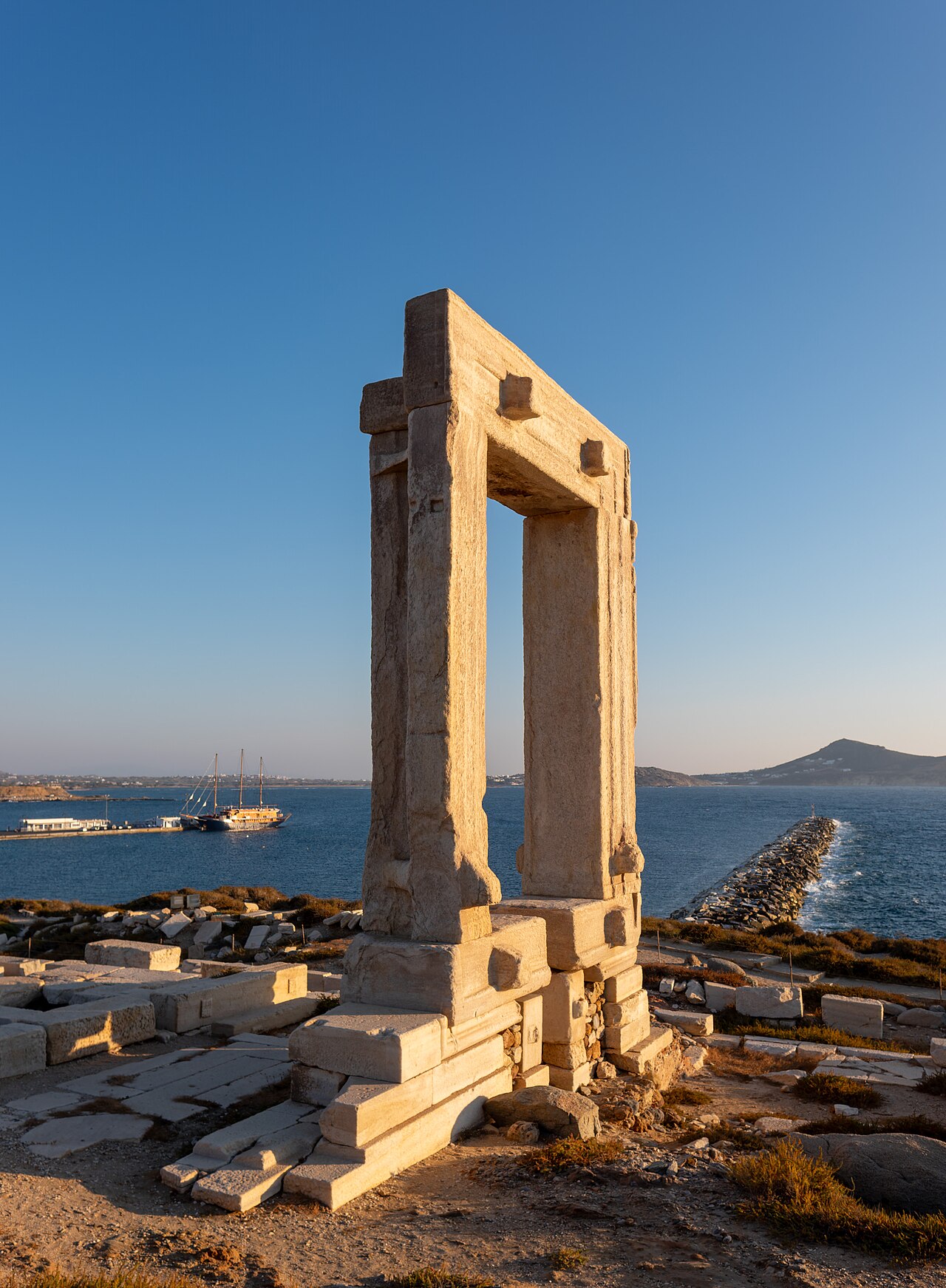
The Portara at sunset, a wander through Chora's lanes and Kastro, a day in the mountain villages, a swim at Agios Prokopios or Plaka and a taste of local cheese, potatoes and kitron. Try a cooking class or a farm visit if you want to connect with the island's food.
What to skip
Do not try to see every village in one day, and do not plan a long boat trip on your last day. Skip the midday heat on exposed sites in summer.
Etiquette
Dress modestly for churches, with covered shoulders and knees. Tipping is appreciated but modest. Greeting shopkeepers and waiters with a simple good morning goes a long way. Be careful with water use in summer, as supplies can be limited on the island.
Health and safety
Bring sun protection and a reusable water bottle. Pharmacies are in Chora and the larger villages, and the island has a small hospital and clinics. Swim where it is safe, check flags and avoid going far from shore when the wind is strong.
Connectivity and practicalities
Mobile coverage is good in towns and along the main roads but can weaken in mountain valleys, so download offline maps before you head inland. Plug sockets are the European two-pin type. Supermarkets and bakeries open early, many shops close for a few hours in the afternoon and reopen in the evening, and Sunday opening is limited outside the tourist areas. Pharmacies display a rota for late opening. Tap water is safe in many places, but locals often drink bottled water, and refill points are not universal, so ask your hotel.