Three days is enough to get the shape of Naxos if you accept one rule: do not try to see everything. The island is the biggest in the Cyclades, with a mountainous interior, a long beach coast on the west and a handful of villages that deserve more than a photo stop. The plan below groups sights by area, so you spend your time looking rather than driving, and it keeps the sea day flexible because the wind decides more than the calendar.
Day one: Chora and the Portara
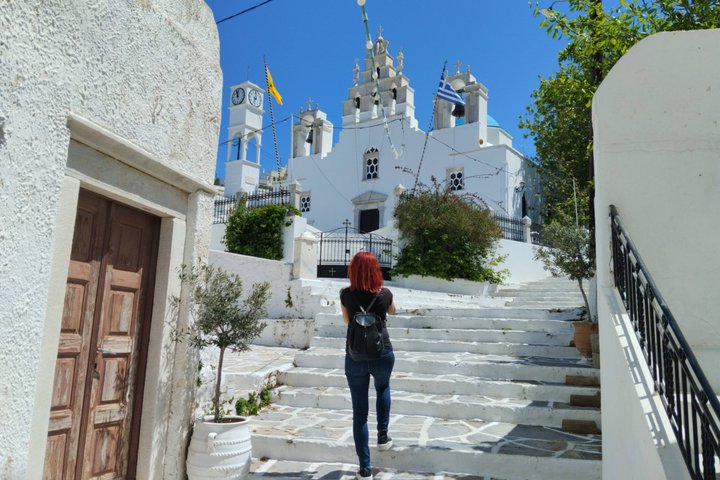
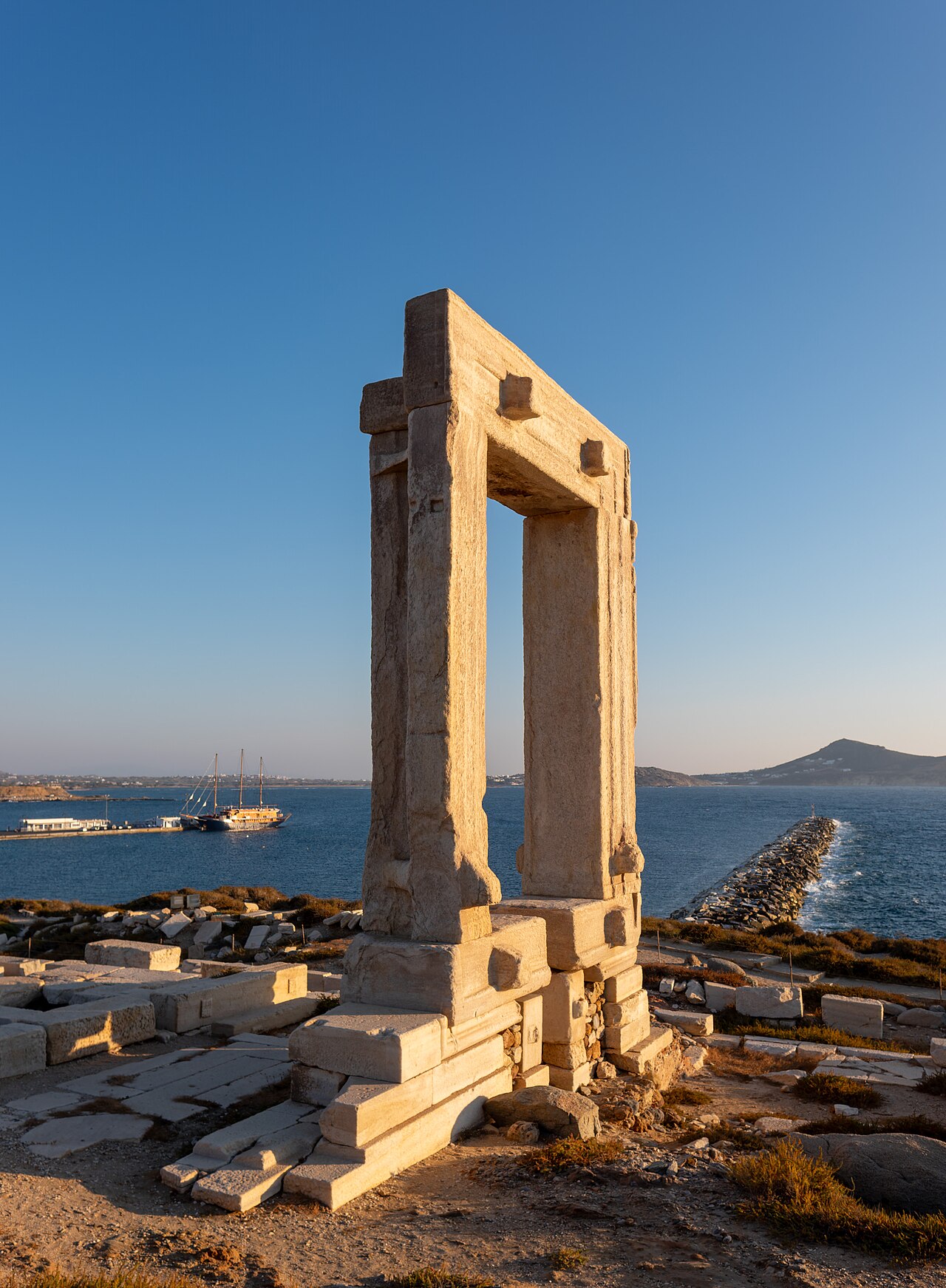
Arrive, drop your bags and head for the old town. Start in the market lanes of Bourgos, where bakeries, cheese shops and cafes will feed you cheaply, then climb through the Kastro gateway into the Venetian quarter. If you want the history explained, join a guided sunset walk, which usually finishes near the waterfront as the light turns gold. Walk out along the causeway to the Portara, the marble doorway of an unfinished temple of Apollo, and watch the sun go down behind it. Dinner can be on the waterfront or in a courtyard in the lanes. If you have an extra evening, a food tour with wine is the best introduction to what the island eats.
Day two: the interior
This is the day to see what makes Naxos different from other islands. Take a shared tour or hire a car and drive inland toward the Tragea valley. Visit the Temple of Demeter at Sangri, a reconstructed sixth-century BC sanctuary in open farmland. Continue to Halki, the old capital with its Venetian towers and neoclassical mansions, and taste kitron, the citron liqueur, at a distillery. Then climb to Apeiranthos, the marble village on the mountainside, for a long lunch in the square and a stroll through its lanes. If you are a walker and want a more active day, replace one of the stops with a guided hike to a Byzantine chapel or the summit of Mount Zas. Return by the coastal road for a swim.
Day three: the sea
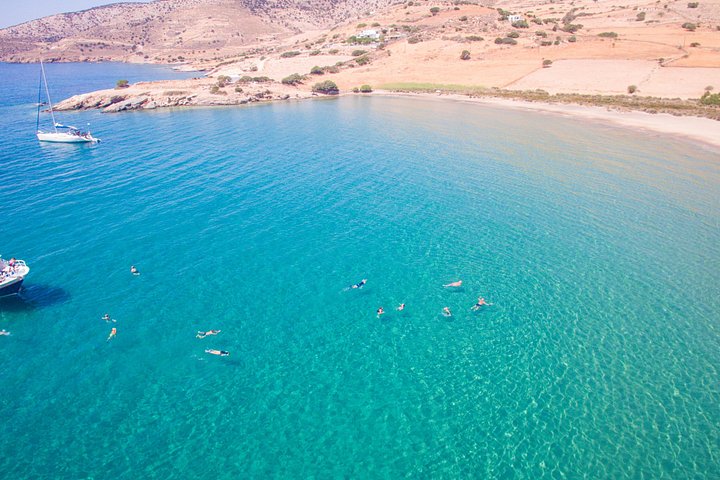
Spend your last full day on the water or the sand. The classic option is a day cruise to Rina Cave and Koufonisia in the Small Cyclades, with swim stops and a beach lunch. A catamaran cruise along the Naxos coast is a gentler alternative, and a sea kayak trip gives you a more active view of the shoreline. If the wind is strong, which happens often in July and August, boats may be rerouted or cancelled, so keep the day flexible and have a beach plan ready. Agios Prokopios, Agia Anna and Plaka, south of the town, are the best sandy beaches, and Mikri Vigla suits those who want to watch the kitesurfers. Finish with a dinner of fresh fish in a seafront taverna.
If you have a little more time
Add a cooking class on a family farm, a cheese-making visit, a wine tasting or a marble workshop. These are the experiences that show the island's character, and they work well on a hot afternoon or a windy day. A fourth day could also be given to the Delos and Mykonos cruise, though it is a long outing.
Logistics
Chora is walkable, but the villages and beaches are spread out. Buses connect the main sights in summer, with less frequent service out of season, so consider a hire car for at least one day. Roads in the interior are winding and narrow, and parking in villages is limited. Taxis are available but can be expensive for long trips. Check opening days for museums and archaeological sites, which keep seasonal hours and a weekly closing day.
What to pack
Sun protection, a hat, comfortable shoes with grip for marble and stone, a light layer for the wind, swimwear and a small day bag. If you plan to hike, bring proper shoes and plenty of water.
Where to base yourself
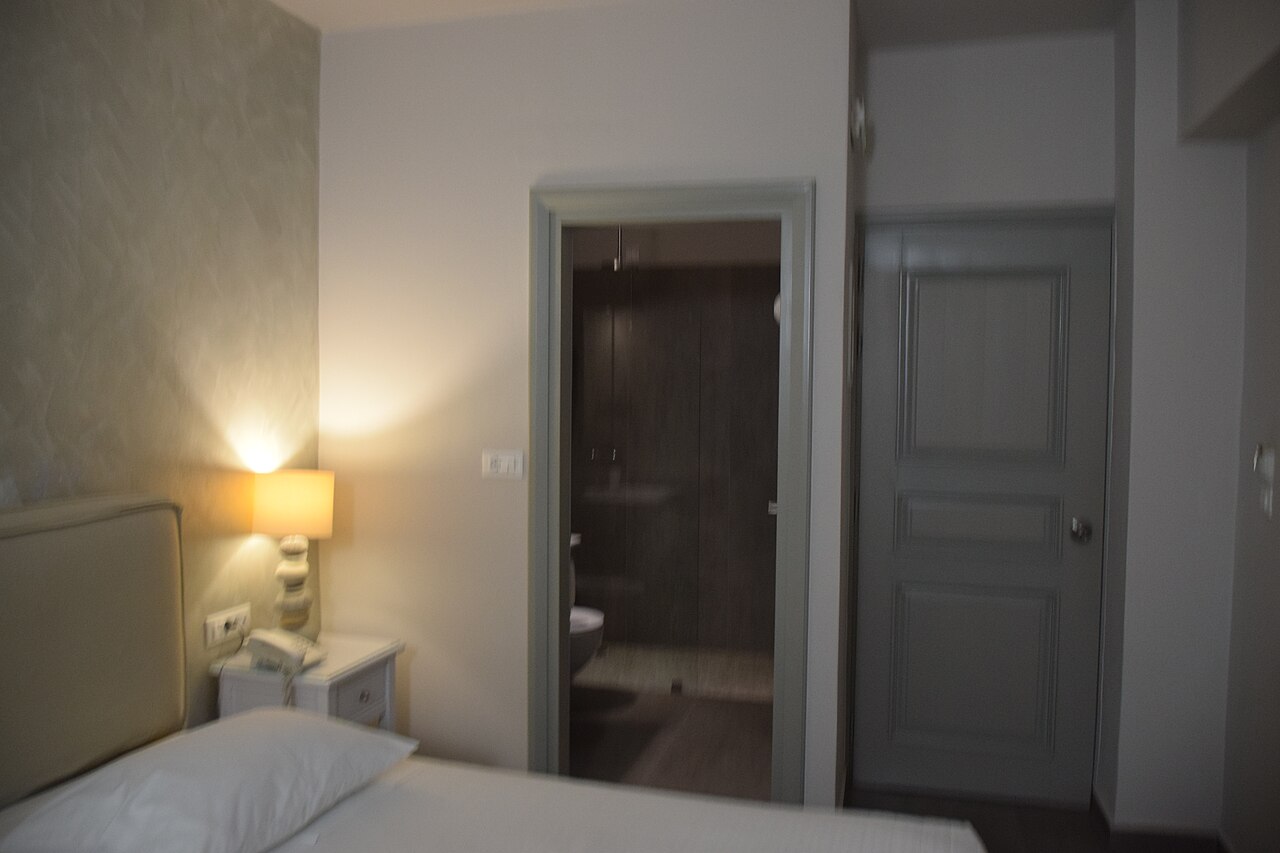
For this itinerary, staying in Naxos Town makes days one and two easy and gives you a short bus or taxi ride to the beaches. If beach time matters most, choose a hotel on Agios Georgios, Agia Anna or Plaka, and plan to drive or take the bus into Chora for evenings. Whatever you choose, leave an hour in each day with no plan at all. The best moments on Naxos are often accidents: a bakery with a queue, a church door left open, a village festival or a bar on the beach where the owner tells you which fish to order.