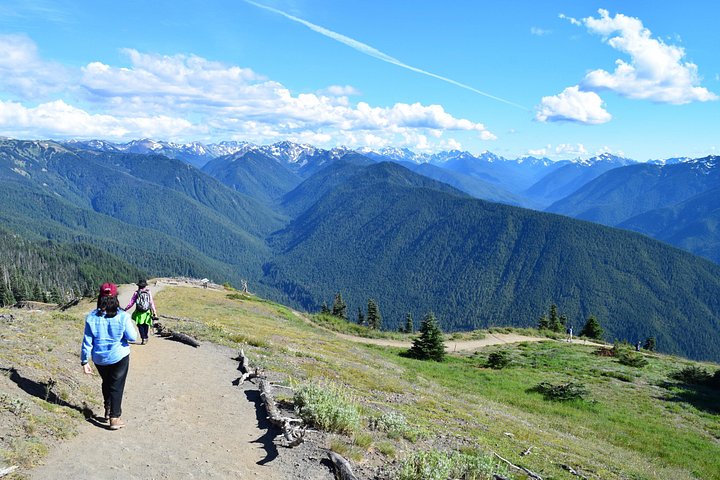
The Olympic Peninsula has more climate zones than most states. The rain shadow around Sequim gets about 16 inches of rain a year, while the rain forests on the west side receive more than 140 inches, and the high peaks collect deep snow. That variety means there is no single best month, only a best season for each experience. Here is a guide to choosing when to go based on what you want to do.
Summer (July to early September)
This is the peak season and the best time for first-time visitors who want the full range of experiences. Hurricane Ridge meadows bloom with wildflowers, high-elevation roads are open, the lakes are warm enough for a swim in the shallows, and the Pacific beaches have the best chance of clear weather. The trade-off is crowds and prices: parking at Hurricane Ridge, Lake Crescent and the Hoh fills by late morning, and lodging books months ahead. Arrive early, plan weekday visits to popular spots, and expect the Sequim lavender festival to fill the valley in mid-to-late July.
Autumn (September to November)
Many locals consider early autumn the sweet spot. Crowds thin out, the light is golden, and salmon return to rivers such as the Sol Duc, drawing eagles and bears. Elk are in rut in the Hoh Valley, with bugling bulls in the early morning. Storms start to arrive in October, and the coast becomes dramatic, with big surf and rain-soaked forest. Pack waterproofs and be flexible. Some seasonal lodges and facilities close, so check opening dates before you plan.
Winter (December to February)
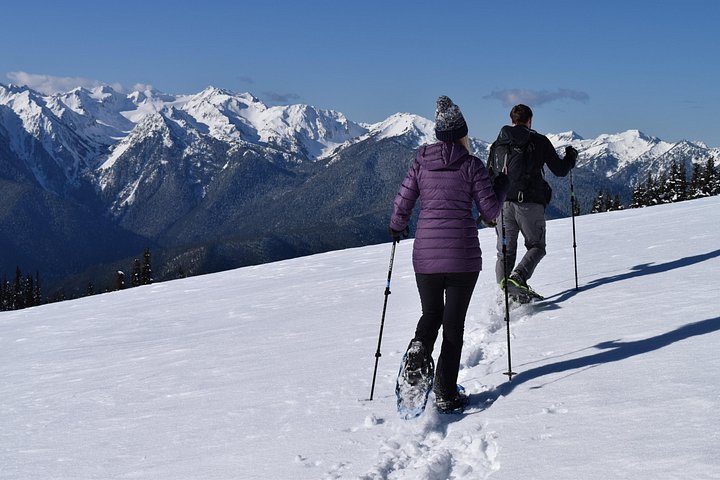
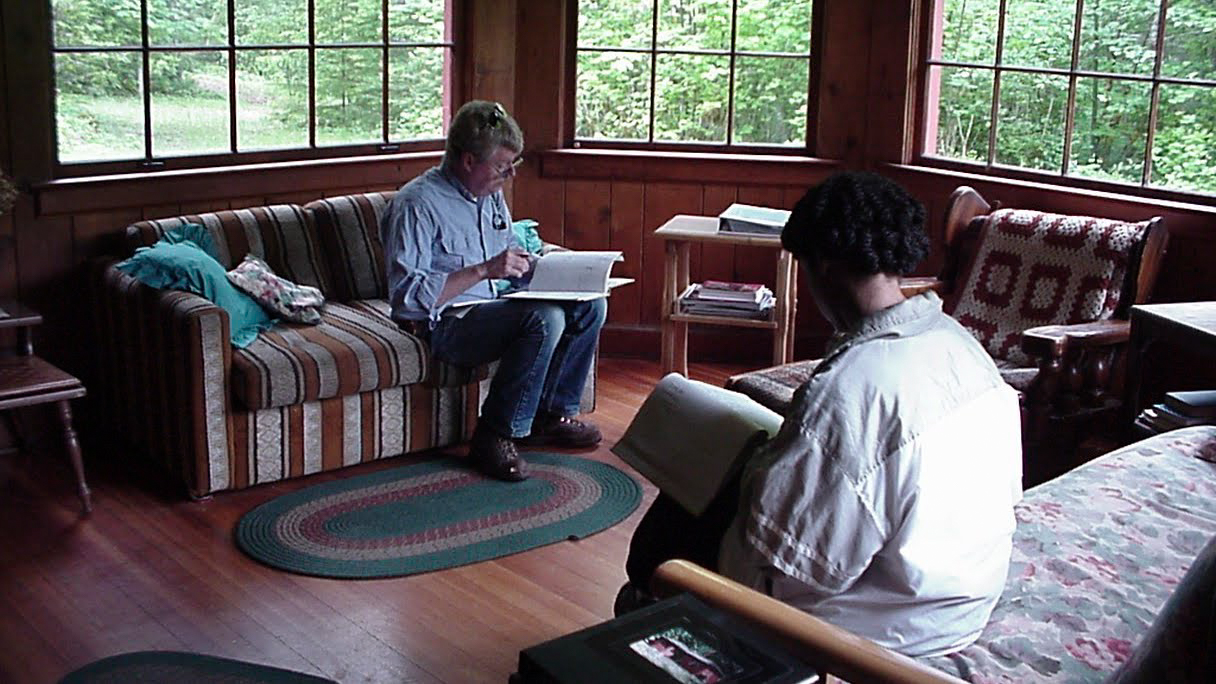
Winter is wet, windy and quiet. The west side receives heavy rain, roads can wash out, and some trails and facilities close. But winter has its own rewards: storm watching on the beaches, misty rain forest scenes, snowshoeing at Hurricane Ridge when the road is open, and low rates in towns such as Port Angeles and Port Townsend. Choose a lodge with a fireplace, pack serious rain gear and keep your plans flexible. Snow can affect even low-elevation roads, so carry chains and check conditions.
Spring (March to June)
Spring brings waterfalls at full volume, blooming rhododendrons and migrating gray whales along the coast. The weather is changeable, with showers and sun in the same afternoon, and high-elevation trails may still be snowbound into June. Crowds are small, and lodging is easy to find. It is a good season for tide pooling, since low tides in daytime hours become more common, and for the lowland rain forest, which looks lush after winter rain.
Matching the season to the sight
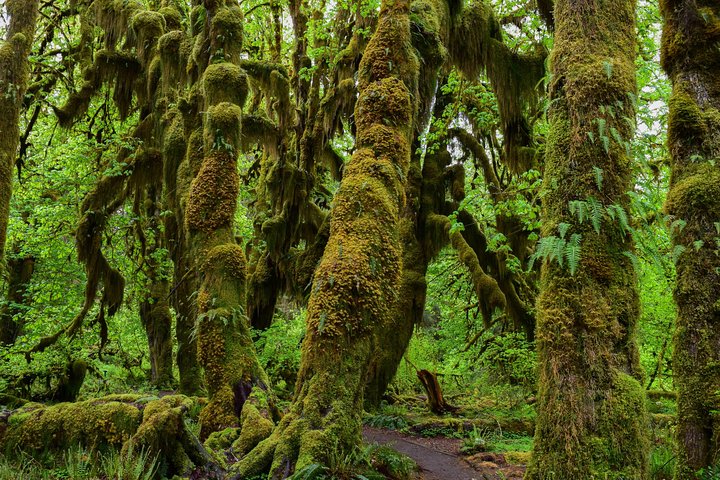
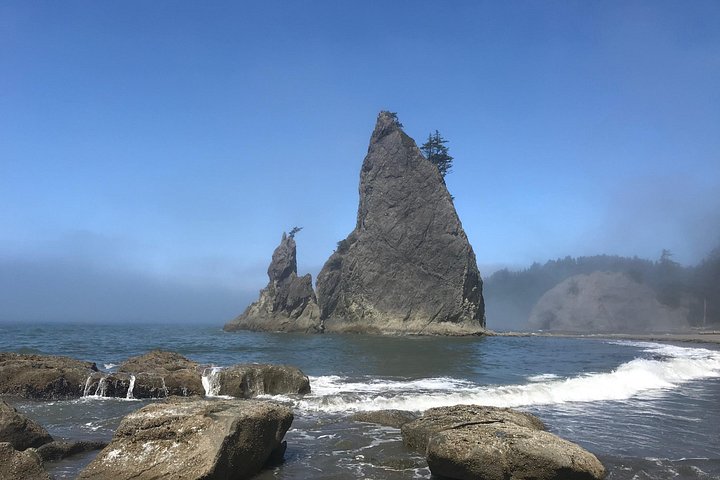
For Hurricane Ridge meadows, aim for July and August. For the rain forests, anywhere from April to October works, with autumn the most atmospheric. For beaches and tide pools, choose a day with a low tide and calm weather, usually in spring or summer. For Port Townsend, the Wooden Boat Festival in September is a highlight but books lodging early. For Victoria and the ferry, summer offers the most sailings, while winter has a reduced schedule.
Daily planning matters too
The peninsula is cooler than most visitors expect, even in July, so pack layers year-round. Mornings tend to be the clearest, so start early and save afternoons for flexible activities. Check the forecast for both the coast and the mountains, since conditions differ. Always check road and trail status with the park before you head out. With the right clothing and flexibility, almost any month can be a good month to visit.
Special events and timing tips
Several annual events shape the calendar: the Sequim lavender festival in mid-to-late July, the Wooden Boat Festival in Port Townsend in September, and the Forever Twilight festival in Forks, also in September. Gray whales pass the coast in spring and autumn, and orcas visit the strait in warmer months. If you are flexible, travel in the shoulder seasons for the best balance of weather, access and calm. If your dates are fixed, build in rainy-day alternatives such as museums, lodges and covered viewpoints so that a gray forecast does not spoil the trip.
Road and access notes
Some roads, including the Hurricane Ridge road, close or change schedules with snow and conditions, and storm damage occasionally affects roads on the west side. Always check the park website for the latest status, and keep a full tank of fuel.