Choosing where to sleep matters more on the Olympic Peninsula than in most destinations, because distances are long and no road cuts through the middle of the park. A hotel that is perfect for Hurricane Ridge may be two and a half hours from the Hoh Rain Forest. The key is to decide what you most want to see and to pick a base close to it, or to split your stay between two bases if you have more than three nights. Here is how the main options compare.
Port Angeles, the northern gateway
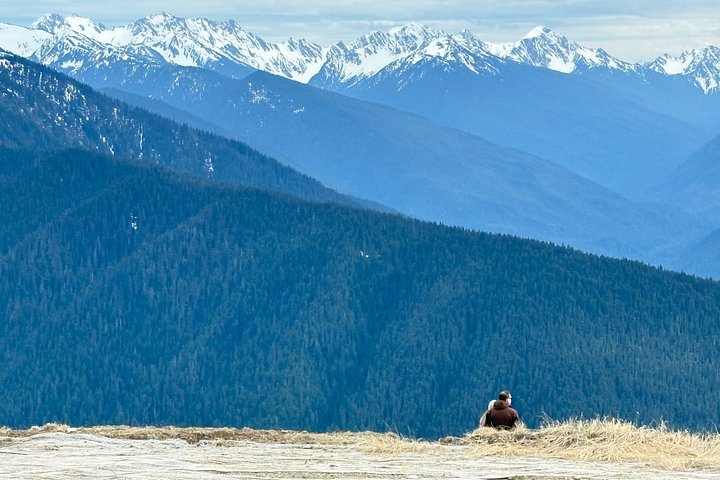
Port Angeles has the most hotels, restaurants and services, plus the Coho ferry to Victoria. It is the best choice for Hurricane Ridge, Lake Crescent and Sol Duc, all within an hour. Properties such as Olympic Lodge Port Angeles offer a practical base for most travelers. The town is the logical start for a first visit, and it works year-round, including winter, when you can snowshoe at the ridge and enjoy quiet evenings.
Sequim, the sunny alternative
Sequim sits in the rain shadow and is drier than the rest of the peninsula. Sequim Bay Lodge and Red Lion Inn and Suites Sequim are comfortable choices, close to Dungeness Spit, lavender farms and the Olympic Discovery Trail. It is about 25 minutes farther from Hurricane Ridge than Port Angeles, but it suits visitors who like a quiet town, good seafood and drier weather. In July, the lavender festival fills hotels, so book ahead.
Inside the park: Lake Crescent Lodge
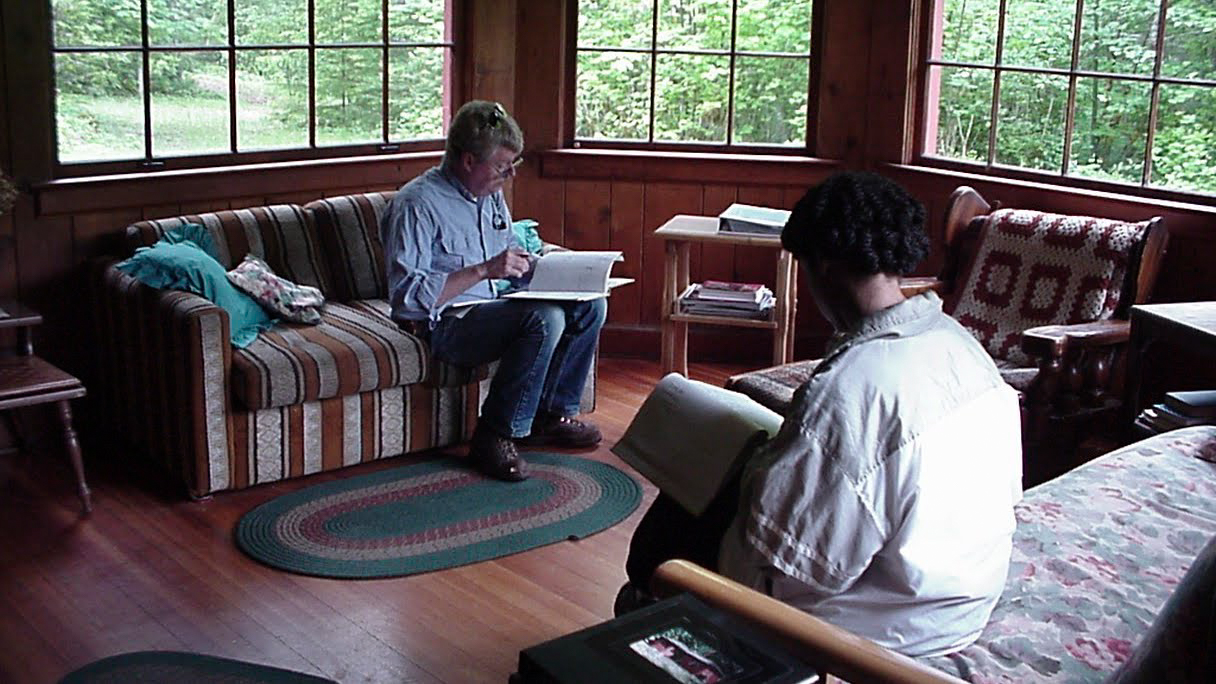
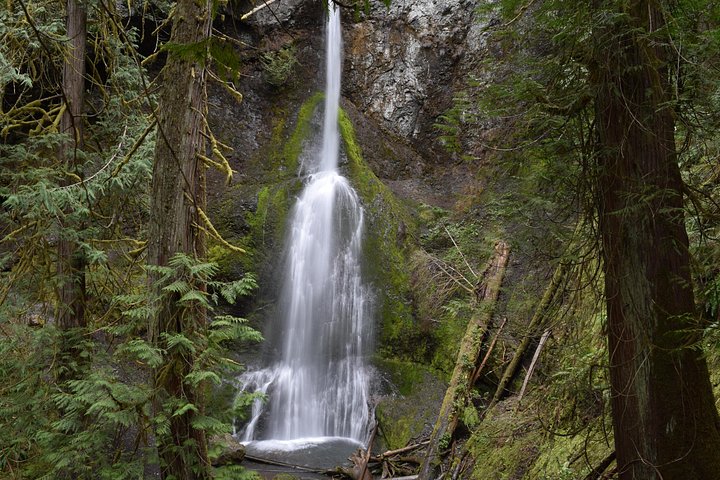
For atmosphere, nothing on the north side beats a night at Lake Crescent Lodge, with its lakeside lawn, sunroom and cottages. It operates seasonally and sells out early, so reserve as soon as your dates are set. The lodge puts you steps from Marymere Falls and the water, and you can reach Sol Duc and Hurricane Ridge easily from there. If it is full, consider staying in Port Angeles and visiting the lodge for a meal.
The west side: Forks and La Push
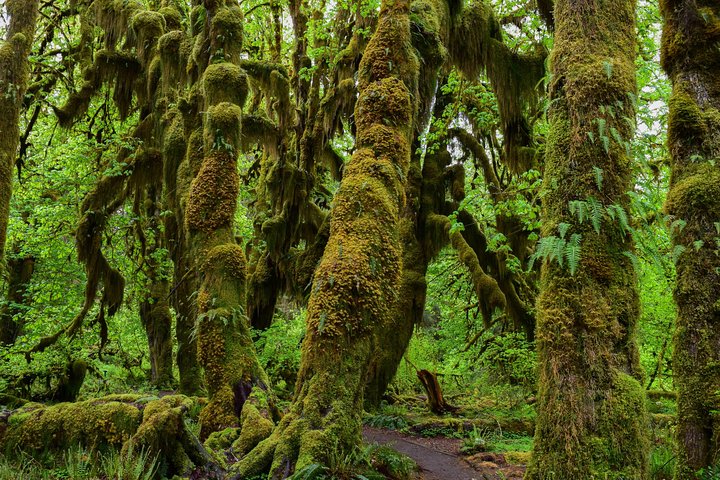
If your priorities are the Hoh Rain Forest and the Pacific beaches, stay on the west side. Forks has a handful of motels and inns, and Quileute Oceanside Resort at La Push offers oceanfront cabins and rooms steps from First Beach, with Rialto Beach a short drive. Services are limited, so plan meals and fuel in advance. A night or two here saves hours of driving and lets you catch the beaches at sunset.
The southwest: Lake Quinault
Lake Quinault Lodge, opened in 1926, is the classic base for the southwest, with its fireplace lobby, lawn and rain forest trails. It makes a wonderful stop on a loop of the peninsula, about an hour from Kalaloch and Ruby Beach. Expect rain, enjoy the atmosphere, and book well ahead for summer. Because the area is remote, it works best as an overnight rather than a base for long stays.
The east side: Port Townsend and Port Ludlow
Port Townsend is the best choice for architecture, bookshops, food and a walkable town. Manresa Castle and the Palace Hotel are historic options, and the Resort at Port Ludlow, on Ludlow Bay, offers a quieter resort setting with golf and a marina. This side is better for culture and relaxation than for park access, but it is ideal for the first or last night of a trip from Seattle, or for visitors who prefer towns to trailheads.
Booking tips
Peak season runs from late June to early September, and lodges and lakeside rooms book months ahead. Midweek stays are easier, and spring and autumn offer lower rates and fewer people. Check each property's current policies on parking, breakfast and pets. If you are building a loop, consider two or three bases rather than one, and avoid changing hotels every night, since packing and unpacking eats into your sightseeing time.
A note on expectations
Lodging on the peninsula is generally comfortable rather than luxurious, and many of the best-loved places are historic buildings with quirks. Older lodges may lack air conditioning, elevators or fast Wi-Fi, and cell coverage can be weak. Treat these as part of the character, bring a book and a flashlight, and keep a paper map handy. For accessibility needs, ask each property directly about stairs, room layouts and parking before you book, since details differ widely between buildings.