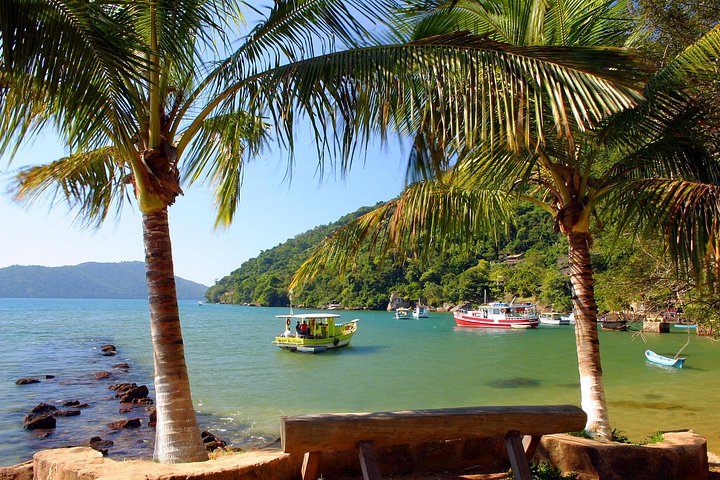
Paraty has no big resort beach in town, and that is part of its charm. The best sand is on islands in the bay, along the coast to the south and on beaches reached only by boat or trail. That makes the question not where to lie on the sand, but how to get there. This guide helps you choose.
The bay by schooner
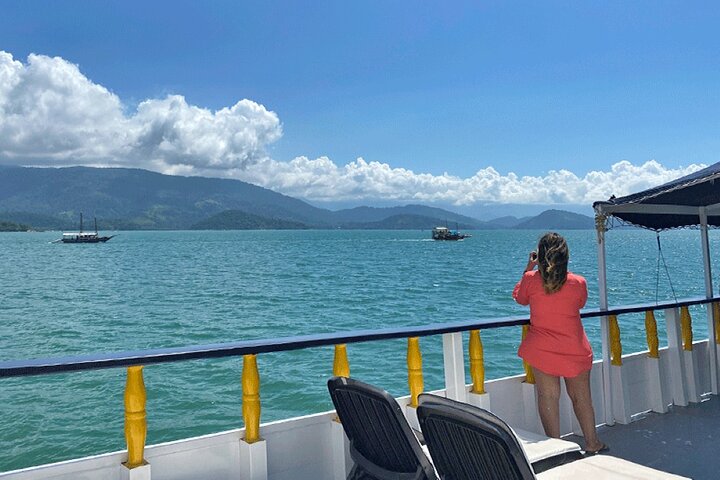
The classic outing is a shared cruise on a wooden schooner. Boats leave from the harbour, stop at islands and beaches for swimming and snorkeling, and return in the afternoon. It is social, relaxed and good value. Choose it if you want an easy first experience with the bay, you travel with friends or family and you do not mind sharing the boat. Check what is included and bring sun protection and a towel.
Smaller boats and snorkel trips
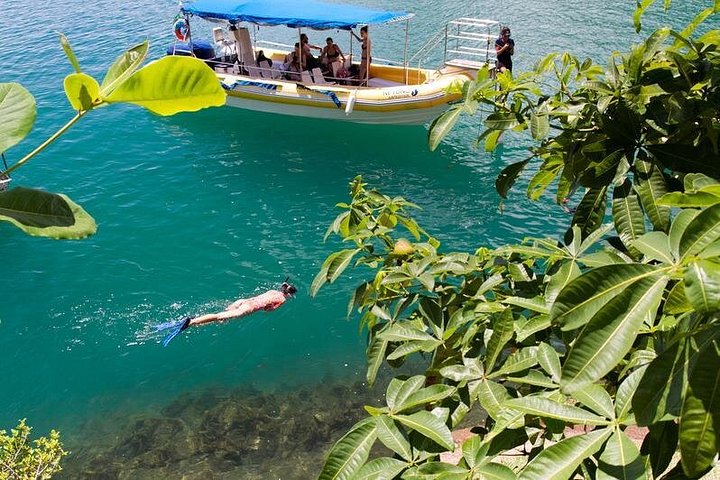
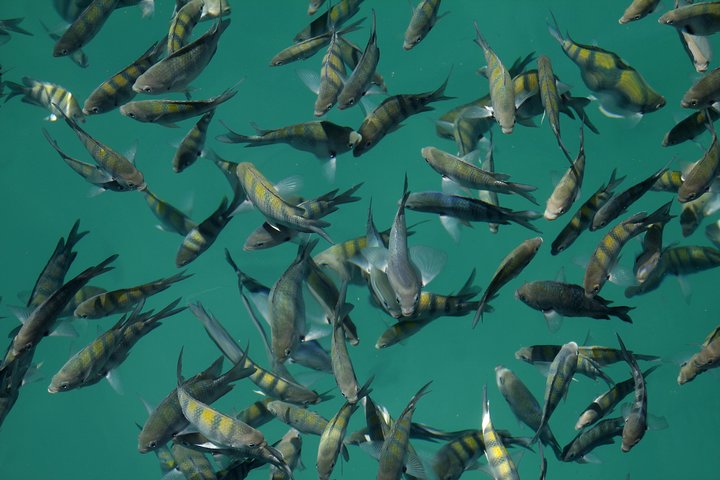
A smaller boat, such as the snorkel tour on this page, can reach quieter coves and spend more time in the water. Masks are often provided, and groups are smaller. It suits snorkelers, solo travellers and people who prefer a casual atmosphere. For more privacy, private boats are also available, though some cost considerably more than shared trips, so compare carefully.
Speedboat to the inlet
Saco do Mamangua, a long, narrow inlet south-west of town, is famous for its calm water and forested slopes. A speedboat gets you there quickly and leaves time to swim, walk and eat a seafood lunch ashore. It is a good choice if you want scenery and quiet more than a party atmosphere. The open stretch can be bumpy, so dress for wind and spray.
Kayaks and mangroves
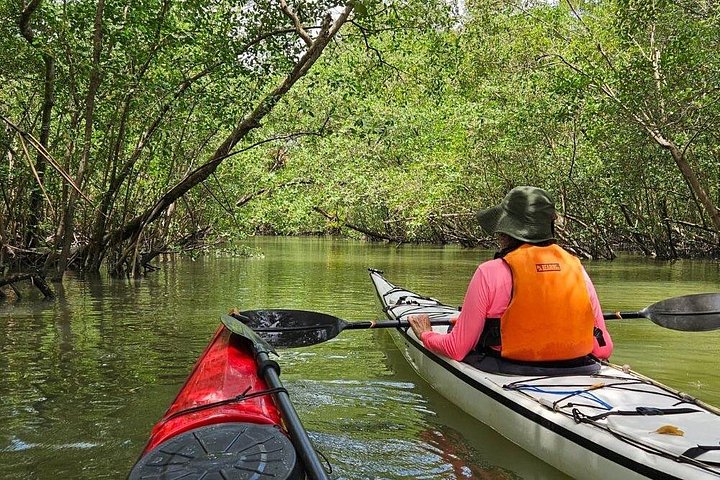
If you prefer to move under your own power, kayaking in the mangroves is gentle and offers wildlife. It suits early mornings and late afternoons, when it is cooler and animals are active. Beginners are welcome, and double kayaks make it easy for families.
Trindade and the coast
South along the road lies Trindade, a fishing village with long beaches, rock pools and trails to quieter coves. A day trip combines a drive, a coastal walk and a swim. It is a better choice if you like to walk between beaches. Staying overnight lets you see the village after the day-trippers leave.
Remote beaches by trek
Sono and other beaches on the Juatinga coast are reached on foot through forest. Treks are long and best for fit walkers, but the reward is a wild beach where a few families live without roads. Go with a guide, carry plenty of water and cash and respect the community.
Safety and the sun
Always wear a life jacket on boats when asked, and follow the crew's instructions. The sun is strong, so use sunscreen, wear a hat and drink water. Watch for slippery rocks, sea urchins and changes in the sea. Do not swim alone on exposed beaches where surf can be strong, and heed any flags or warnings.
What to pack
Swimwear, a quick-drying towel, a hat, sunglasses with a strap, reef-friendly sunscreen, a dry bag, a light wind layer, water, a snack, a little cash and, if you are prone to seasickness, tablets taken beforehand. Water shoes help on rocky shores. Leave valuables at the hotel.
Choosing by mood
For a first day on the water, take the schooner. For snorkeling and a casual feel, choose the smaller boat. For scenery and calm, choose Mamangua. For quiet exercise, kayak. For an adventure, trek to a remote beach. If you have several days, mix two or three, and keep one for the weather.
Eating on the water
Some schooners sell lunch and drinks, while smaller boats may stop at a beach kiosk or ask you to bring food. Pack a light snack, fruit and plenty of water, and ask about options for children, vegetarians and people with allergies. Rubbish bins are rare on remote beaches, so carry a bag and take everything away.
Respecting the sea and the community
Do not feed fish or touch turtles, keep distance from nesting birds and avoid standing on coral or rocks. On community beaches, ask before photographing people, buy snacks and crafts from local sellers and follow any rules posted on the beach. These places stay beautiful only if visitors treat them with care.
When the weather turns
If the sea is rough or the sky threatening, operators may cancel or change routes. Ask for a refund or a new date, and have an indoor plan such as a food tour, a cooking class or a long lunch. A flexible attitude makes bad weather part of the adventure.