Paraty is a year-round destination, but the experience changes with the seasons. Warm, humid summers bring beach weather and rain showers; cooler winters bring clearer skies and better hiking. Understanding the pattern helps you choose the right time for your priorities.
Summer: hot, green and busy
From roughly December to March, Paraty is hot and humid, with frequent afternoon showers and occasional heavy rain. The sea is warm, the forest is lush and waterfalls are full. It is also the peak holiday season for Brazilians, with school holidays, New Year and Carnival bringing crowds, higher prices and full boats. If you come then, book early, plan outdoor activities for the morning and have an indoor alternative for the afternoon storms.
Autumn: the sweet spot
From about April to June, temperatures ease, humidity drops and rain becomes less frequent. The bay is usually calm, hiking is more comfortable and the crowds thin outside holiday weekends. Prices can be lower. Many experienced visitors consider this the best balance of weather, calm and value, although showers can still occur.
Winter: dry and mild
From roughly June to August, days are warm but milder, nights are cooler and skies are often clear, with the driest weather of the year. Hiking, sunrise trips and long walks are at their best. The sea is cooler, so swimming and snorkeling are less comfortable, though still possible on sunny days. This is also the time of the main cultural festivals, so the historic center can be busy and rooms scarce.
Spring: warming up
From September to November the weather warms, the forest flowers and the crowds are modest. Rain increases gradually towards summer. It is a good time for boat trips and beach days before the high season begins, and prices are often reasonable.
Festivals
Paraty hosts several events that shape the calendar. A major international literary festival usually takes place in mid-year and draws writers and readers from across Brazil and abroad. A festival celebrating cachaca, food and culture typically follows in the cooler months. Religious celebrations, such as the Festa do Divino and Holy Week processions, bring music, costumes and street activity. Dates change from year to year, so check local announcements before planning.
Tides and the streets
High tides flood parts of the historic center at certain times, mainly around new and full moons. The effect is more noticeable in some seasons than others. If you plan to walk the center early in the morning or late in the evening, check tide times. The floods are usually shallow and brief, but they can disrupt walking tours and restaurant access.
Boats, snorkeling and visibility
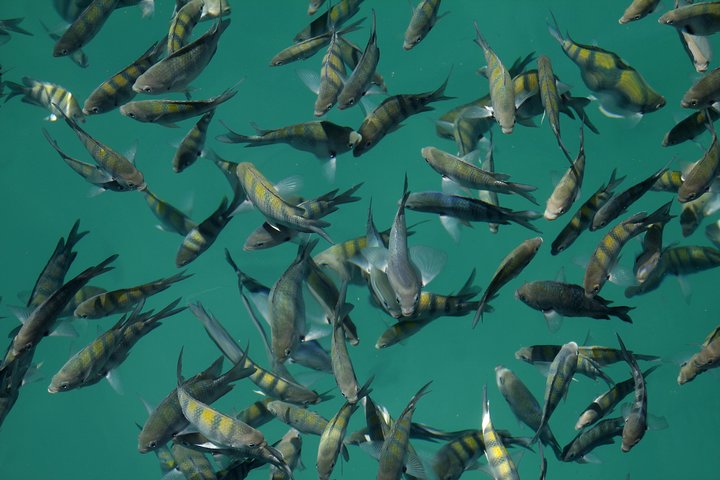
Water clarity in the bay varies with rain, wind and tides. After heavy rain, rivers bring sediment into the bay and visibility drops. The best snorkeling conditions tend to follow several dry days, and calm mornings are better than windy afternoons. In winter, the sea can be cooler and swells can be higher on exposed beaches.
Hiking and waterfalls
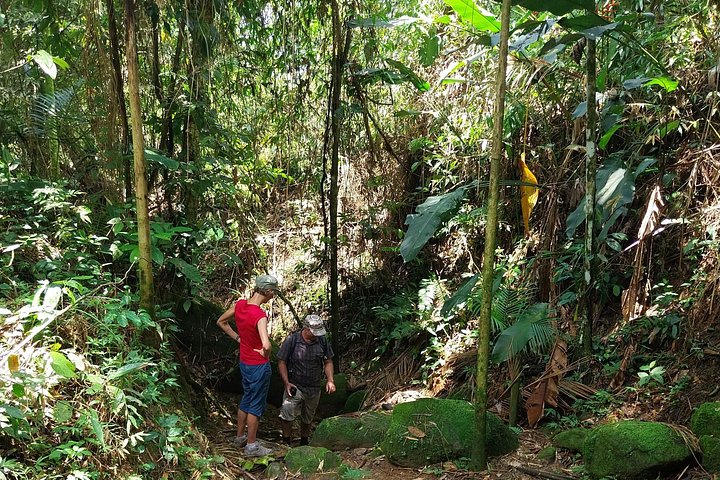
Waterfalls are fullest in the wet season, but trails are muddier and slippery. In the dry season, trails are firmer and views are clearer, though some waterfalls shrink. Gold Trail walks, sunrise hikes and long treks are generally best from autumn to early spring.
Our suggestion
For the best all-round trip, aim for autumn or early spring. For hiking and clear views, choose winter. For hot beach days and festive energy, accept the crowds of summer. Whatever you choose, build in flexibility for the weather, and keep one day free for a change of plan.
Crowds and prices
The busiest times are New Year, Carnival, Holy Week, school holidays and festival weekends, when hotels, boats and restaurants fill. Prices rise, and last-minute bookings are difficult. Midweek stays and shoulder seasons are cheaper and calmer, and operators have more time for small groups.
Packing by season
In summer, pack light, breathable clothes, a rain jacket and plenty of sunscreen. In winter, add a fleece or sweater for evenings and mountain trips, plus a windproof layer for the boat. In every season, bring swimwear, repellent, a hat and comfortable shoes for cobbles.
Planning for flexibility
Weather forecasts for the coast are good for a day or two but unreliable beyond that. Leave one open day in your itinerary so you can move boat trips or hikes to the best weather. Book cancellable tours where you can, and check the policy for weather changes.