Paraty is a small colonial port on the Costa Verde, the green coast between Rio de Janeiro and Sao Paulo, and it rewards visitors who arrive with a little preparation. The town is compact, the pace is slow and the highlights are a mix of history, boats, forest and food. It is also remote enough that planning transport and tours ahead makes a real difference to how smoothly the trip goes.
Getting there
There is no major commercial airport in Paraty itself. Most visitors fly into Rio de Janeiro or Sao Paulo and continue by road. From Rio the journey is roughly four hours by bus, shared shuttle, private transfer or rental car, and from Sao Paulo it is longer, often five to six hours depending on the route and traffic. Shared and private transfers are widely sold, and they save the hassle of connecting buses with luggage. If you drive, remember that parking in the historic center is restricted, and that hotels outside the pedestrian zone are easier.
The historic center
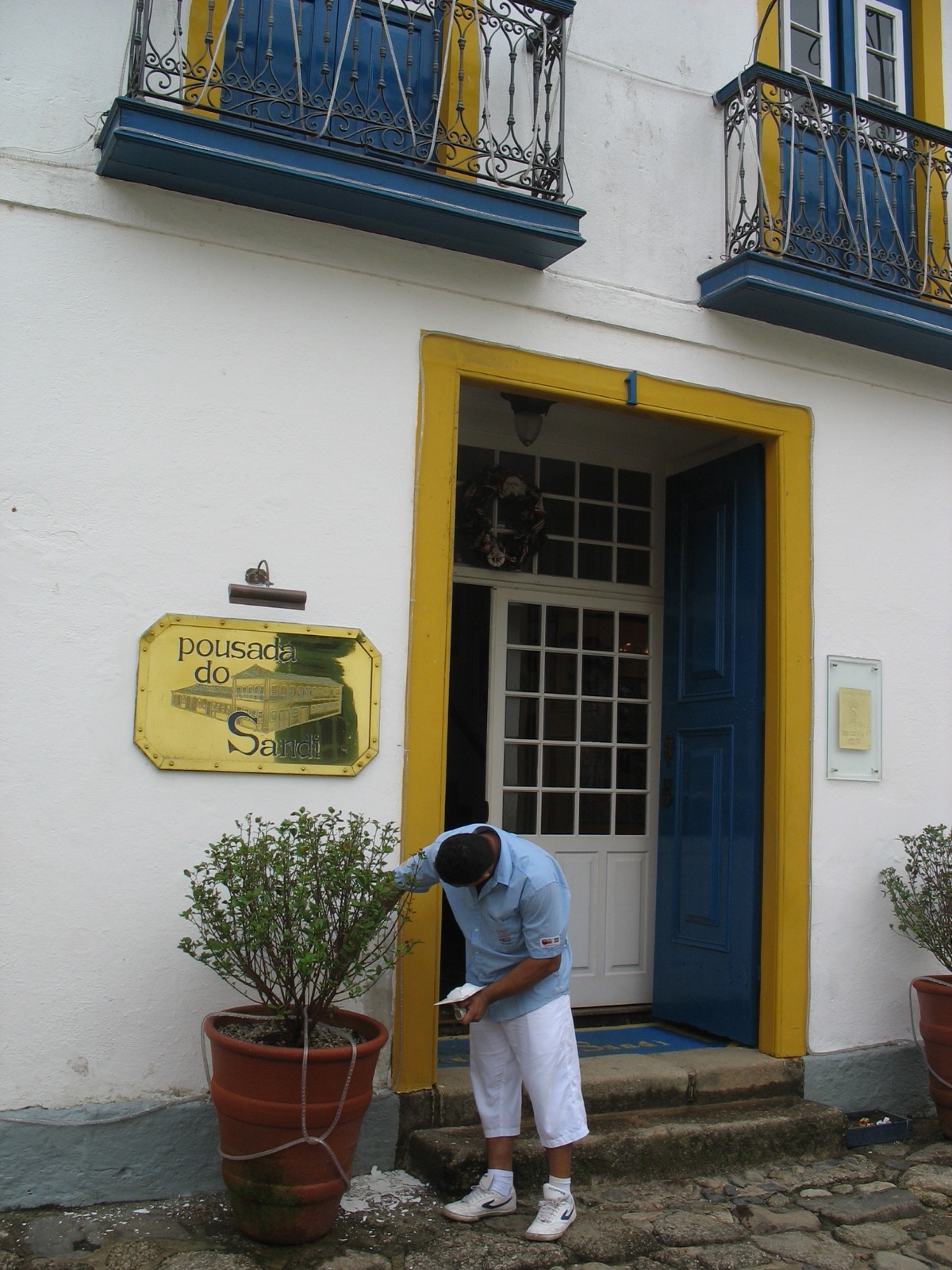
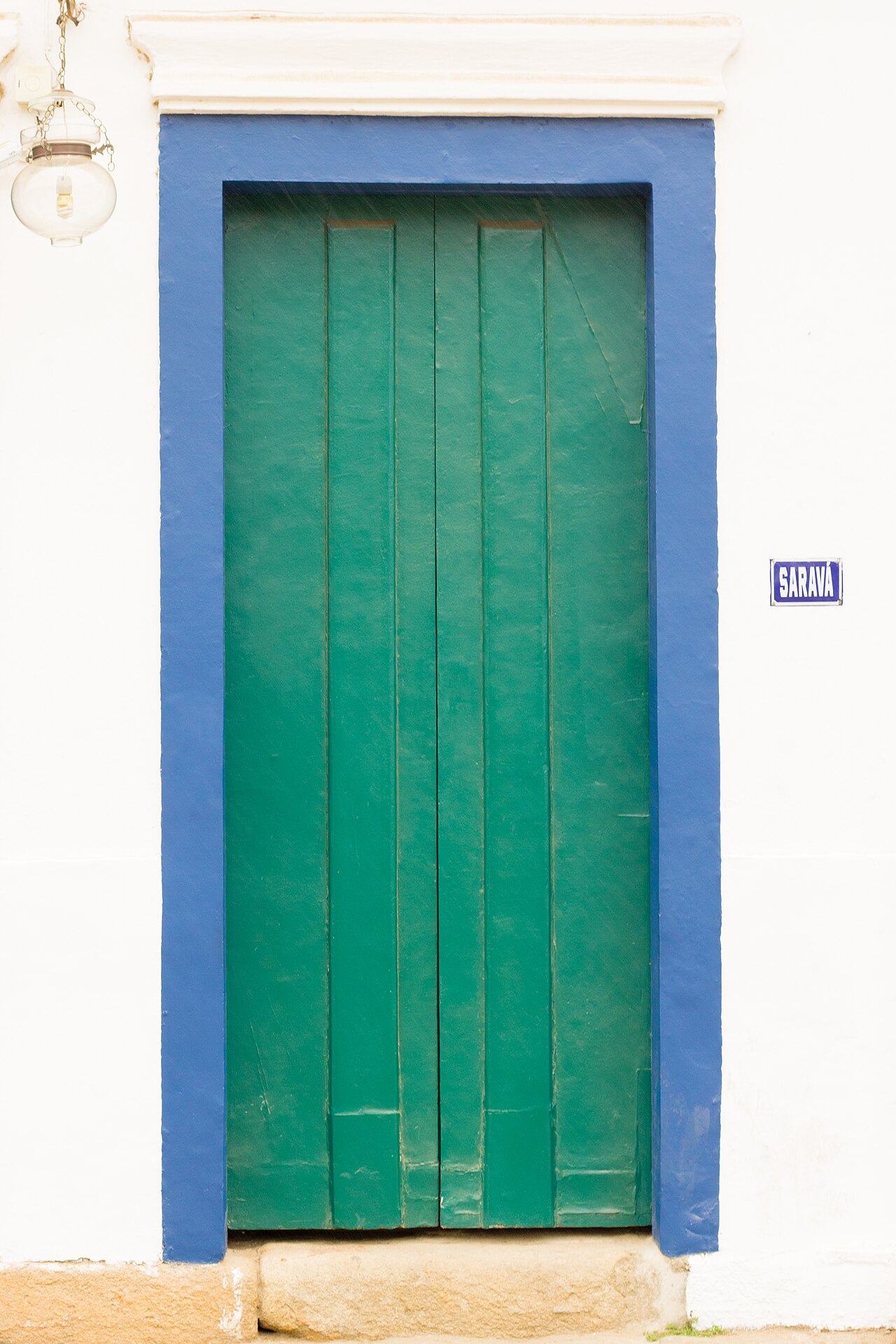
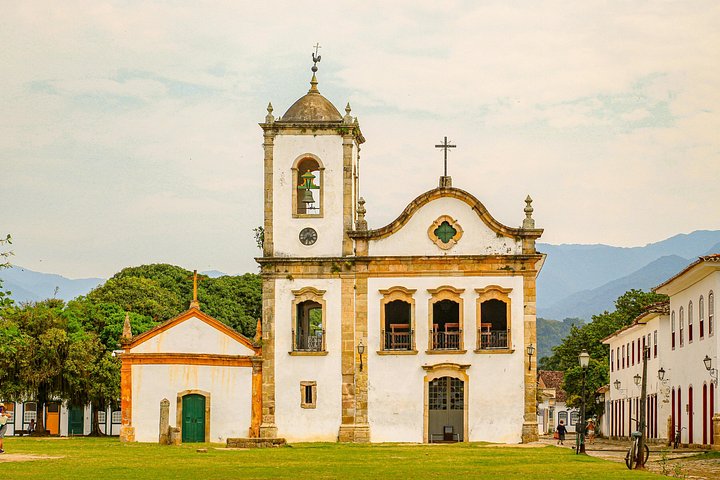
The old town is a grid of whitewashed colonial houses, small churches and cobbled streets, closed to normal traffic. The stones are large, rounded and uneven, so wear comfortable shoes with grip and think twice about wheeled suitcases. The town was inscribed with the nearby coast as a UNESCO World Heritage cultural and natural site in 2019, and the preservation is real: you will see few modern signs and many lanterns. Spend your first evening wandering, then take a guided walk the next day to understand the three church communities and the gold-route story.
Tides and floods
Paraty was designed with a drainage system that lets the sea flush the streets at high tide. At the highest tides, usually around new and full moons, water can rise through the drains and cover parts of the center. Locals treat it as routine. If it happens, you can paddle through in sandals or simply wait for it to recede. Ask your hotel about tide times if you have an early tour or a flight to catch.
What to book
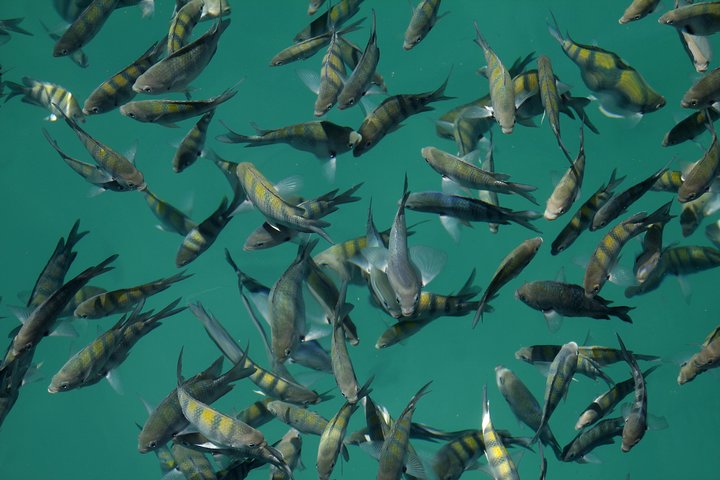
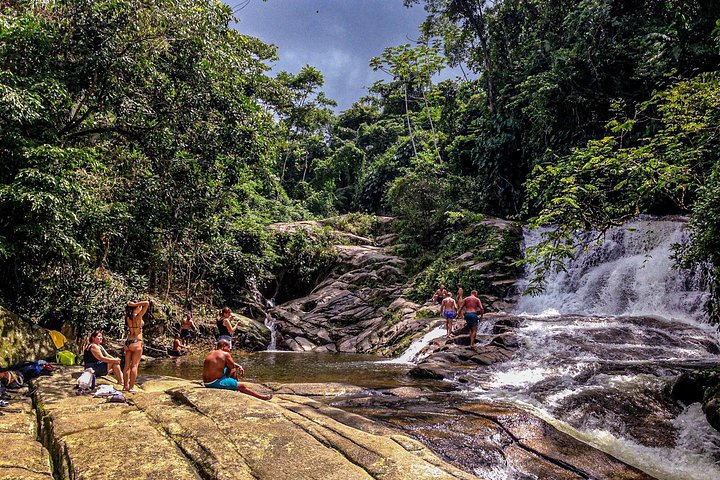
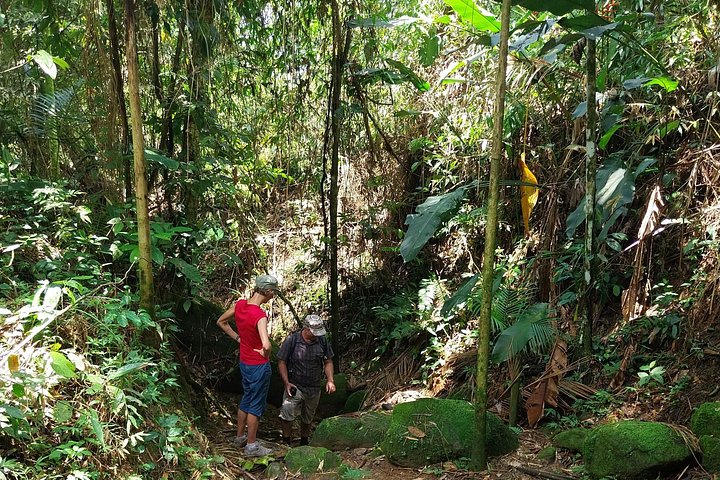
The headline experiences are a schooner or boat cruise around the bay, a jeep tour to waterfalls and a cachaca distillery, and a guided walk through the historic center. For something more active, consider kayaking in the mangroves, a Gold Trail forest walk or a hike to a waterfall. Boats and jeeps run most days in good weather, but weekends and holidays fill up, so reserve a day or two ahead. Check the cancellation terms, since weather can affect boat tours and rain can raise rivers.
Money and payments
The currency is the Brazilian real. Cards are widely accepted in hotels, restaurants and tour offices, but carry some cash for small shops, community kiosks at remote beaches and tips. Cash machines exist in the center, though they can be busy at weekends. Tipping is not obligatory, but guides and boat crews appreciate a small amount, and restaurants often add a service charge to the bill.
Weather and clothing
Paraty is warm and humid for most of the year, with the hottest, wettest period in the southern summer and a drier, milder season in winter. Rain showers can arrive suddenly in any month, so pack a light rain jacket, quick-drying clothes and swimwear. Insect repellent is useful in the forest and mangroves, and a hat and sunscreen are essential on the water. Evenings in the mountains can be cool.
Etiquette and respect
Paraty depends on tourism but remains a living town. Be polite in churches, ask before photographing people, and take your rubbish away from beaches and trails. When visiting Indigenous or caicara communities, follow your guide's directions, buy crafts directly and avoid treating residents as a spectacle.
How long to stay
Two days cover the historic center and one boat trip. Three days let you add a jeep tour or a hike, and four or five days allow for a trip to Trindade, a visit to a remote beach and slow evenings. Many people who plan a short stay wish they had allowed more time. If you are combining Paraty with Rio or Ilha Grande, give it at least two nights so you are not spending the whole visit on the road.
A simple first plan
Arrive and settle in, then walk the old town at dusk. On day two, take a morning boat cruise and a late lunch of fresh fish. On day three, do a jeep tour with a distillery visit, then dine on regional dishes. Add a cooking class or a forest walk if you have time. Keep a flexible day for rain or a low tide that disrupts boats.
Health and safety basics
Carry insect repellent and sunscreen, drink bottled or filtered water and keep your valuables out of sight, as you would anywhere. Use licensed taxis or transfers arranged by your hotel, and check current local conditions with your pousada if you plan remote trails or beaches.