The basics
Food on Paros is Cycladic and simple: very fresh fish, grilled meat, vegetables from the garden, local cheese and olive oil. Dishes arrive in the middle of the table for sharing, and meals tend to be long and relaxed. Do not expect a rush. Lunch often runs from two until four, and dinner rarely starts before eight in summer. If a taverna is quiet at seven, it is probably about to fill.
What to order
Start with the staples: Greek salad, fava (a creamy yellow split-pea puree), tzatziki, fried zucchini and stuffed vine leaves. Seafood is the highlight, with grilled octopus, fried calamari, small fish such as marides, and whole fish sold by weight. Ask about the catch of the day and check the price before ordering. Meat dishes include grilled lamb, pork and local sausages, and many tavernas make a good slow-cooked dish such as stifado or lamb in the oven. Cheese pies, spinach pies and fresh bread appear on many menus. Look for capers and caper leaves, which are widely used in Cycladic cooking.
Wine and spirits
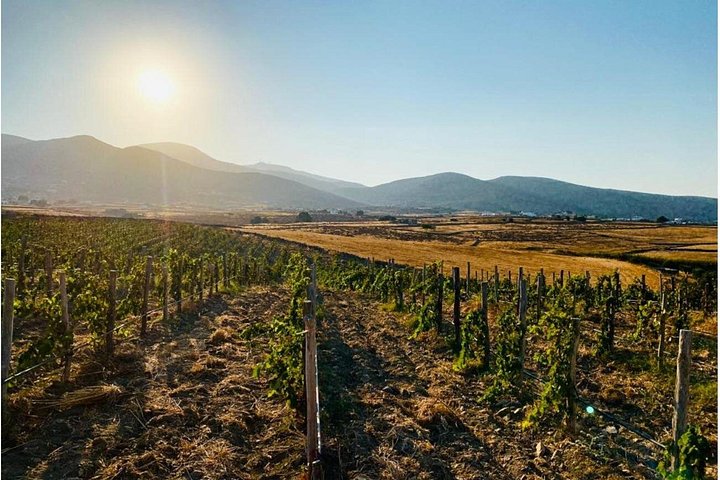
Paros has an old wine tradition. The best-known local grapes are Monemvasia, a white variety, and Mandilaria, a deep red. A tasting at a local winery is an easy way to understand them, and many tavernas pour local wine by the carafe. Island spirits include raki and the local distillate known as souma, which is strong and often served after dinner. Beer and cocktails are common in Naoussa's bars, while Parikia has a more casual cafe culture.
Cheese and honey
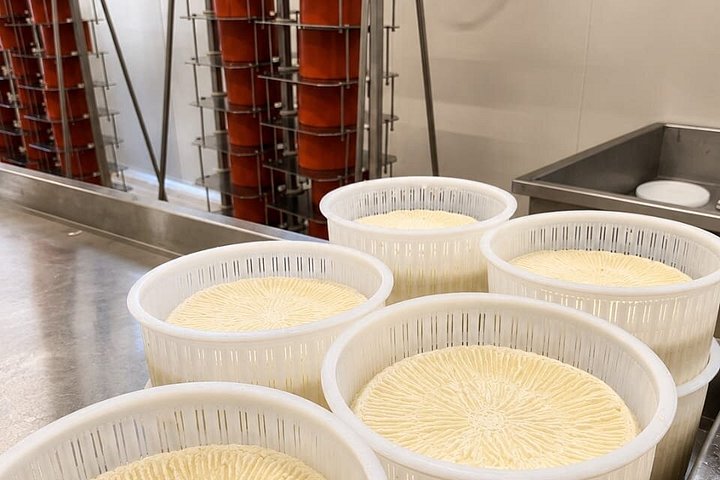
Cycladic cheeses are mostly goat and sheep milk, with fresh white cheeses, aged hard cheeses and tangy spreads. A cheese factory tour with a wine pairing shows how they are made and lets you taste several in one sitting. Local honey, thyme and herbs make good souvenirs. Ask in bakeries and delicatessens for products made on the island.
Where to eat in Parikia
The harbour front has tavernas with sea views, while the lanes of the old town hide smaller places serving traditional dishes. For a quieter meal, walk toward Livadia or the windmills at sunset. Bakeries around the centre sell cheese pies, sweet pastries and coffee, which makes an inexpensive breakfast. In summer, book a table for dinner on the waterfront, and expect a lively atmosphere.
Where to eat in Naoussa
Naoussa is the most fashionable dining village on the island. Waterfront restaurants specialise in seafood and grilled octopus, while back-lane places offer modern Greek cooking, cocktails and music. Prices are higher than in Parikia, and the best tables go early. If you want a quieter meal, eat early or choose a spot a few lanes from the harbour. Local festivals bring street food and live music in summer.
Beach tavernas and villages
Beach tavernas serve simple lunches, from grilled fish to salads and chips, and they are a relaxed way to spend an afternoon. In the hill villages such as Lefkes, tavernas serve hearty home-style dishes and are popular with walkers. Prices are usually fair, and portions are generous.
Food experiences worth booking
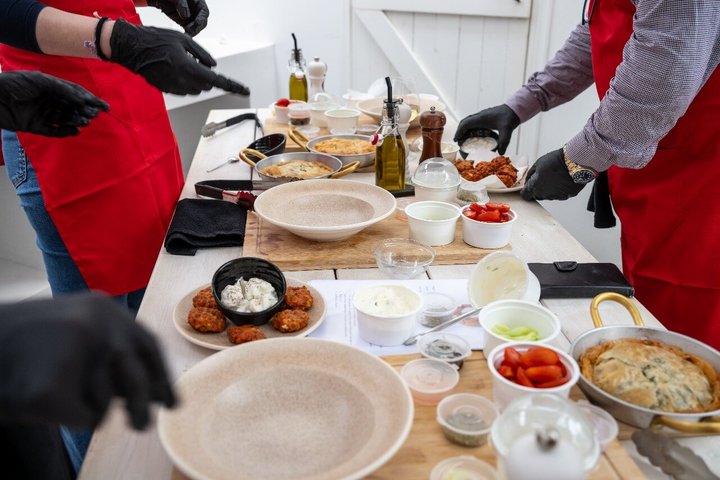
A cooking class with a Greek meal and wine is a good rainy-day or evening activity, and you leave with recipes. A winery tasting and a cheese farm visit are easy afternoon plans. Combine them with a hike in Lefkes for a full food-and-village day. Check start times and transport, because rural venues are often outside the towns.
Dietary needs
Vegetarians eat well in Greece, with plenty of vegetable dishes, beans, salads and pies. Vegans need to ask about cheese and eggs. Gluten-free options exist but are not always clearly marked, so ask. Mention allergies clearly, especially to nuts and shellfish.
Practical tips
Bread is often charged separately as a cover charge. Tipping is appreciated, and rounding up the bill is normal. Many places close for a few hours in the afternoon and some kitchens close in winter. Tap water is generally drinkable, but bottled water is common.
A sample food day
Begin with a bakery breakfast of a cheese pie and a Greek coffee, then swim and have a late lunch of fava, salad and grilled fish at a beach taverna. In the late afternoon, visit a winery or cheese maker for a tasting, then freshen up and eat dinner in Naoussa or Parikia after eight. Finish with a glass of souma or a sweet spoon dessert and a slow walk by the harbour. Alternate big meals with light ones, and share dishes so you can try more of the menu. Ask the waiter what is freshest, since the best dish is often not the one at the top of the menu.