Start with the shape of the island
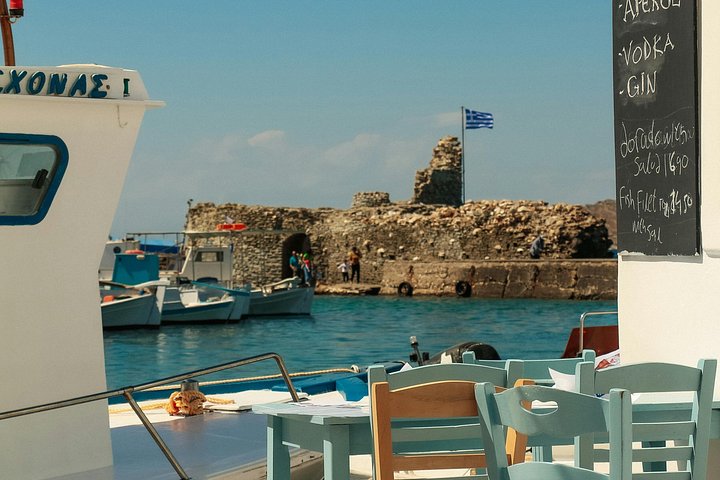
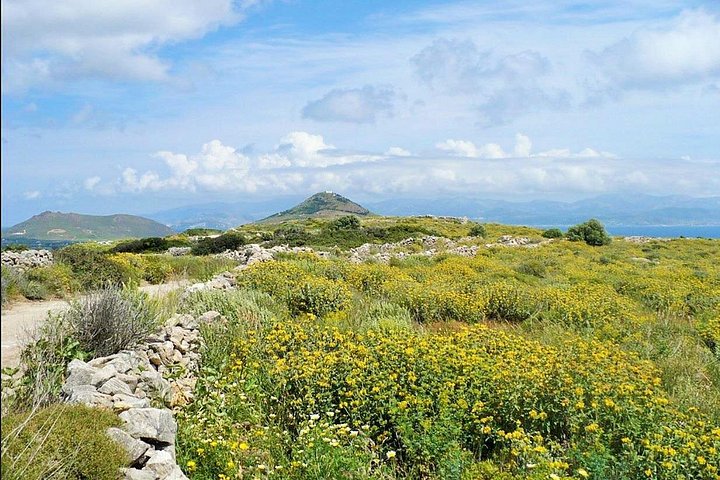
Paros is a mid-sized Cyclades island, round in outline, with the capital and main port of Parikia on the west coast and the more polished fishing village of Naoussa on the north. Between them lie beaches, hills and marble. Inland are quiet villages such as Lefkes, and the east coast has the windy sands of Golden Beach and the harbours of Piso Livadi and Aliki. Just across a narrow strait to the southwest lies the smaller island of Antiparos, with its cave and its beaches. Knowing this layout makes every other decision easier, because most of what you want to do is either in Parikia, in Naoussa, on the beaches between them, or on a boat.
Getting there
Most visitors arrive by ferry from Piraeus or from neighbouring islands such as Naxos, Mykonos, Santorini and Syros. The crossing from Athens takes a few hours, depending on whether you take a conventional or fast vessel. Paros also has an airport with flights from Athens that take around forty-five minutes, and seasonal connections from other cities. In summer, book ferries ahead, particularly for cars, and check schedules because routes change from year to year. Parikia is the main ferry port, so most arrivals begin there.
Choose your base
Parikia is practical and walkable, with the kastro, the Church of a Hundred Doors, the Archaeological Museum, plenty of tavernas and the main bus station. It is the best base for island-hopping, short stays and travellers without a car. Naoussa is prettier and more fashionable, with a harbour, a Venetian fortress, lively evenings and quick access to the northern beaches, but it is more expensive and busier in peak months. If you want a quiet family stay near sand, look at the coastal stretches around Agioi Anargyri or the east coast near Golden Beach. Antiparos is better as a day trip unless you want a small-island stay.
Getting around
Public buses link Parikia with Naoussa, Lefkes, the airport and the main beaches, but timetables thin out in the evening and in spring and autumn. Taxis are available but limited, so book ahead for late nights. Many visitors rent a scooter, a quad or a small car. If you ride a scooter, wear a helmet, avoid unfamiliar gravel tracks and be careful on windy days. Roads can be narrow and winding, and parking in Naoussa and Parikia is limited in summer. A guided island tour is a good option if you do not want to drive.
Do these first
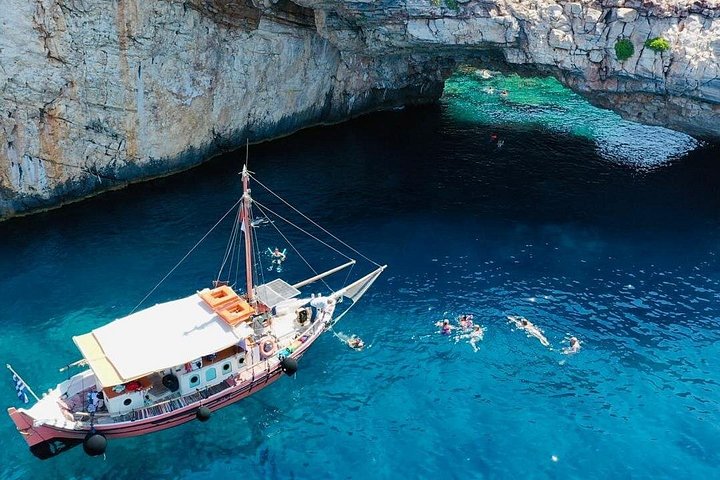
On arrival day, walk through Parikia, visit the Church of a Hundred Doors and take a sunset stroll to the windmills at Livadia. On day two, head to Naoussa for the harbour and the fortress, then to Kolymbithres or Monastiri for a swim. Spend a day on the water, either on a Blue Lagoon cruise or a full-day trip to Antiparos and Despotiko. Add a morning in the villages, ideally Lefkes and the Byzantine path, and finish with a food experience such as a winery tasting or a cooking class.
The wind matters
The meltemi, a northerly wind, blows strongly through the summer, particularly in July and August. It cools the heat but makes some beaches choppy, causes ferry delays and can cancel boat trips. Plan flexible days and keep a spare day for boats. If one beach is windy, another on the opposite coast is often calm, so ask locally where to go. Golden Beach thrives on the wind, while the south and west coasts are often sheltered.
Marble and history
The island has been famous for marble since antiquity, and its fine white stone shaped sculpture across the Greek world. You can trace the story from the ancient quarries at Marathi to the churches, kastro walls and village lanes where the same marble is used. The Church of a Hundred Doors adds a Byzantine layer, and the Venetian period left the kastro and the fortress at Naoussa. A short visit to the museum helps tie these pieces together.
Money and manners
Cards are widely accepted, but small bakeries, beach bars and rural tavernas sometimes prefer cash, so carry some euros. Tipping is appreciated but not obligatory; rounding up the bill is common. Dress modestly in churches, with shoulders and knees covered. In village tavernas, expect a relaxed pace and share dishes in the middle of the table. Tap water is generally safe to drink but many visitors prefer bottled water, particularly in summer.
Final tips
Book popular restaurants and boat trips in advance in July and August. Bring sun protection, a hat and water shoes for rocky entries. Pack a light jacket for evenings and boats. Keep your schedule flexible, because wind, ferries and heat will shape each day. If you do only a few things, make them a harbour evening in Naoussa, a swim at Kolymbithres, a day among the southern islets and a slow lunch in a hill village.