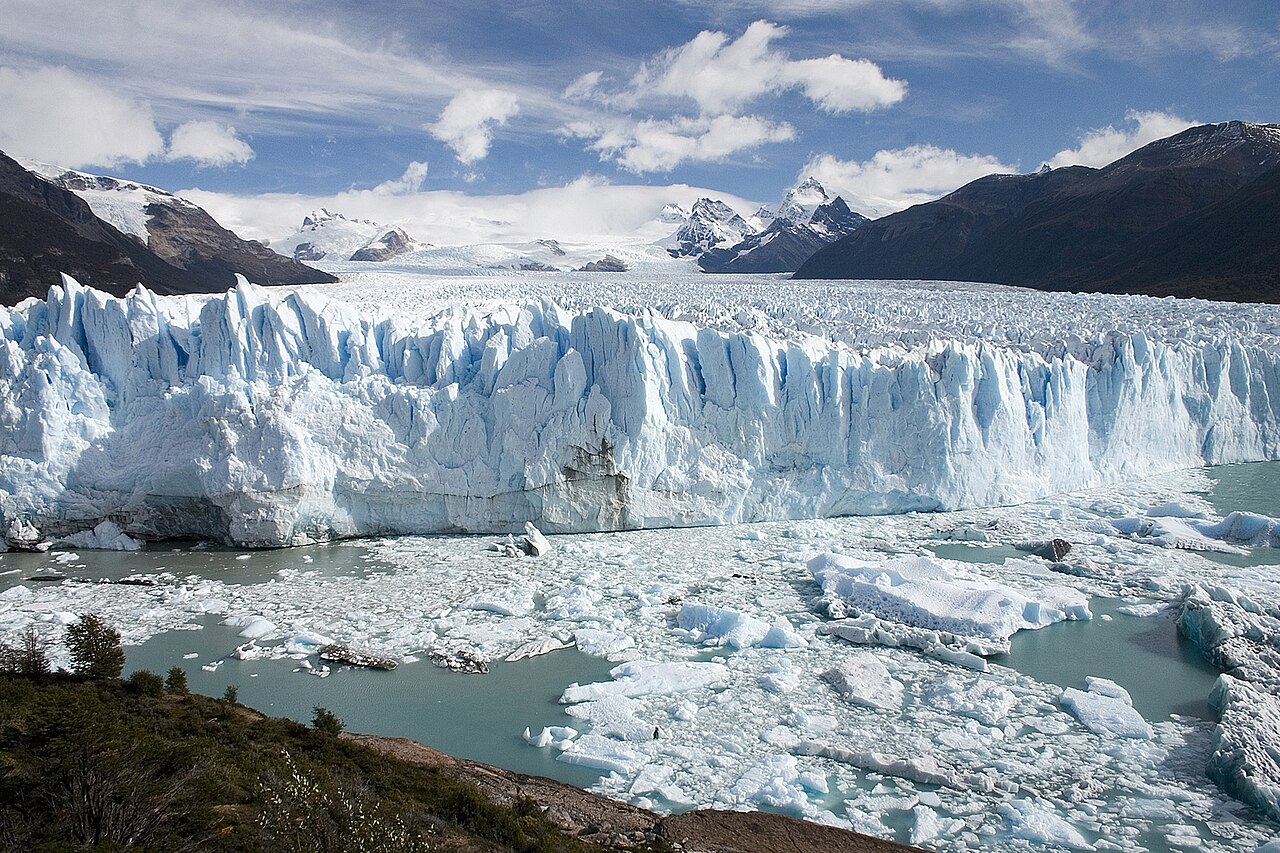
There is no perfect month for Patagonia, only the right month for the trip you want. The region sits at the bottom of the continent, where daylight swings from very long summer days to short winter ones, and where wind and weather can change within an hour. This guide breaks down the seasons for El Calafate and Los Glaciares in Argentina, and for Puerto Natales and Torres del Paine in Chile, so you can choose when to go and pack accordingly.
Spring, from October to November
Spring is a lovely, underrated time. Days are long and getting longer, the parks are open, snow still dresses the peaks and the crowds are thinner than in midsummer. Prices and availability are usually friendlier, so tours and rooms are easier to book. The trade-off is weather: expect cool mornings, mild afternoons and wind that can be fierce. Some higher trails may still have snow, and a few seasonal services, such as remote estancia excursions, may be running on reduced schedules, so check before you book. Wildlife is active, with young animals appearing on the steppe.
Summer, from December to February
Summer is the high season, with the longest days, the warmest temperatures and the widest choice of tours and boats. Daylight can stretch very late, which gives you time for long hikes and late dinners. It is also the busiest and most expensive period, particularly around the holidays and school vacations, so book hotels and key excursions well ahead. Wind is still a feature, and the weather can be changeable even in the warmest month, so keep layers and a windproof shell at hand. Torres del Paine trails are at their busiest, and popular viewpoints and walkways can be crowded in the middle of the day.
Autumn, from March to April
Autumn is a favourite with photographers and hikers. The crowds thin out, the lenga forests turn red and gold, and the light is soft and low. Days are shorter and the nights colder, and the weather becomes less predictable as winter approaches, but many travellers find the balance of calm trails and colour hard to beat. Some tours and lodges begin to close or reduce service as the season ends, so confirm what is operating for your dates, and be flexible about the order of your days.
Winter, from May to September
Winter is quiet and cold. Days are short, many lodges, trails and excursions close, and some parks have limited access. Perito Moreno and the glacier walkways generally remain accessible, and the landscape under snow is striking, but boat services and treks may be limited or not run at all. Winter suits travellers who want solitude and are flexible about plans. If you go, check carefully what is open, bring serious cold-weather clothing and allow extra time for travel in case of weather.
Wind and weather
Whatever the month, plan for wind. It shapes the landscape and the experience, and it is the main reason boat trips, treks and flights sometimes change. Pack layers, a windproof and waterproof shell, a hat, gloves and sunglasses, and think about the sun as well, which can be strong in clear air. Mornings are often calmer than afternoons, so start early. Build spare days into your plan, so one bad forecast does not cost you the experience you most want.
Daylight and planning
In spring and summer, long daylight makes it possible to fit a lot into a day, but the distances are large and the days are long, so avoid overpacking your schedule. Book the headline experiences, such as Perito Moreno boat trips, ice treks and Torres del Paine tours, in advance for spring and summer, and keep one flexible day to adapt to the weather.
Our pick
For most first-time visitors, late spring and early autumn give the best mix of daylight, access and calm. If you want the most services and the warmest weather, go in summer and book early. If you want colour and quiet, choose autumn. Whatever the season, Patagonia rewards flexibility and warm layers.
Packing by season
In spring and autumn, bring a warm mid-layer, a windproof shell, waterproof boots and a hat and gloves, plus a light layer for the sunny afternoons. In summer, swap the heaviest layers for lighter ones, but keep the shell and gloves, because glacier fronts and boat decks stay cold. In winter, add thermal underlayers and insulated boots. A small daypack, a refillable bottle and sun cream are useful all year, and a scarf or neck warmer is the cheapest comfort upgrade you can make.