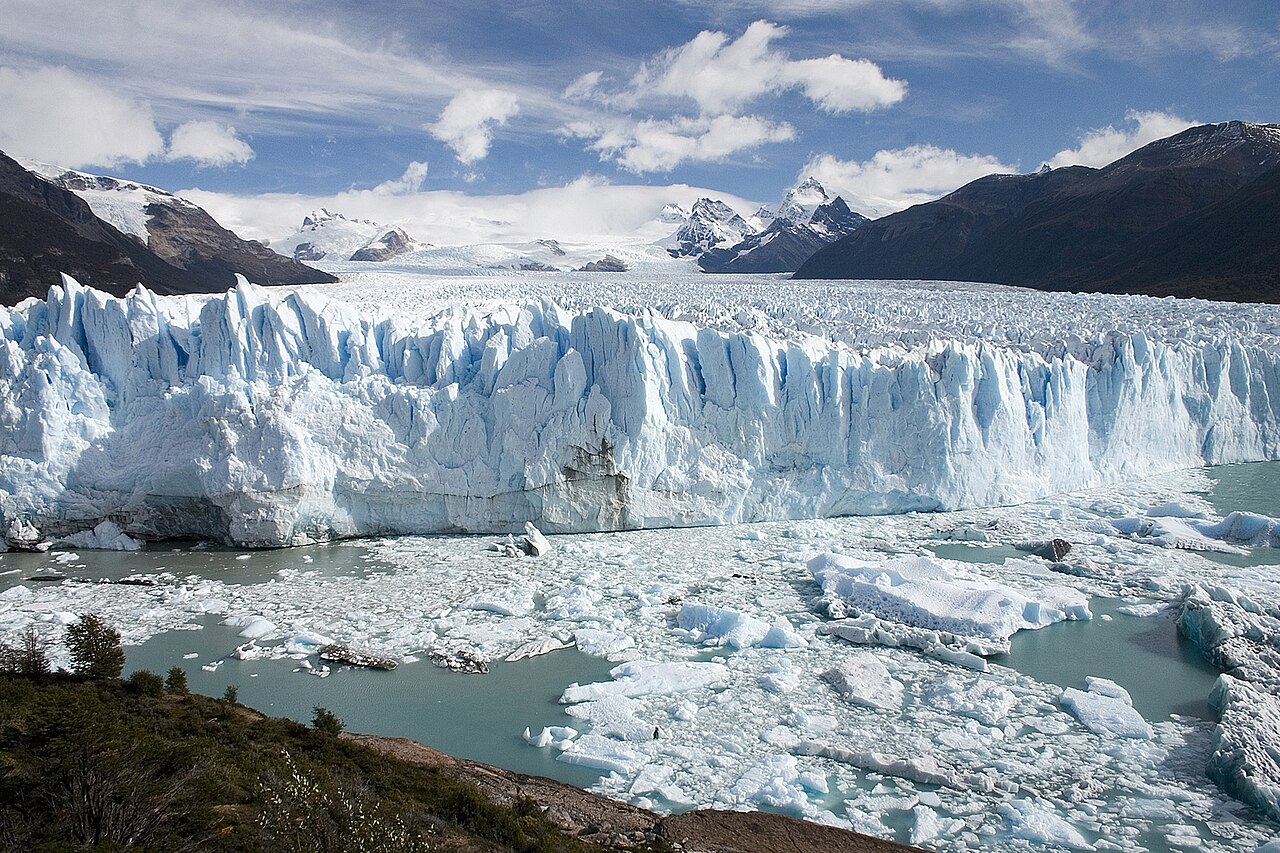
Three days is enough to see the best of El Calafate if you plan around the weather and your energy. The town is the gateway to Los Glaciares National Park, and almost everything worth doing is a day out rather than a stroll from your hotel. This plan puts the headline glacier first, keeps a flexible middle day and ends with something slower, so you leave rested rather than ragged. It is written for the spring and early summer months, when days are long and the wind is part of the scenery.
Day one: Perito Moreno
Start with the big one. Perito Moreno Glacier is about eighty kilometres from town, so a full day is sensible, and the earlier you set out the quieter the walkways will be. Choose the style that suits you: the guided walkways tour is the simple, affordable option, the boat navigation adds the view from the water, the mini-trek puts you on the ice and the Big Ice trek is the serious walker's day. Whatever you pick, carry windproof layers, a hat, gloves and some cash for the park fee. Plan to spend three to four hours at the glacier itself and give yourself time to simply stand and listen for the cracks. Dinner in town afterwards, with a lamb dish if you can manage it, is the natural finish.
Day two: choose your mountains or your boat
The second day is the flexible one, and the right choice depends on the forecast. If the sky is clear, head to El Chaltén for the Fitz Roy views, either on the easy day tour or on the longer hike to Laguna de los Tres if you are fit. If the weather is changeable, the Upsala and Spegazzini cruise is a good alternative, since boats see glaciers in conditions that would hide mountains, and the lake gives you icebergs, silence and a different kind of scale. For a quieter version, the day trip to Estancia Cristina offers a remote ranch and a viewpoint over the Upsala Glacier. If you do not want a long day, a shorter outing such as the Balcones 4x4 excursion gives you hilltop views over the lake in a few hours.
Day three: slow down
After two big days, the last day should be gentler. In the morning, a horseback ride at Cerro Frías is a relaxed way to feel the steppe, and many outings include a countryside lunch. If the wind is up or rain is in the forecast, Glaciarium is a warm, interesting place to understand the ice you have been looking at, and the ice bar is a fun finale. In the evening, an estancia dinner with lamb cooked over fire and a folklore show is an unhurried way to end the trip. If your flight leaves early the next day, keep this day close to town so you are not rushing.
Weather and backups
Patagonian weather changes quickly, and a good plan has swaps. Keep the order flexible: if day one is cloudy but day two is clear, switch them, since the glacier is spectacular in almost any conditions and the mountains are not. Book the headline experiences ahead, particularly in spring and summer, when boats and ice treks sell out, but leave one day open so you can adapt. Ask your hotel or the tour operator about forecasts the evening before, and confirm pickup times.
Where to base yourself
Staying in town makes the early starts easier, because minibuses collect from hotels. A contemporary hotel with suites and wellness facilities is a good choice for those who want comfort after cold days, a small boutique hotel gives a quieter, hosted feel, and a lodge out on the steppe offers the landscape itself, though with a longer trip into town for dinner. Whatever you choose, ask about early breakfasts, as tours often start before the dining room opens fully.
If you have more time
A fourth day lets you add the second glacier outing or a night in El Chaltén. A fifth and sixth day open the door to Torres del Paine, which means crossing into Chile and carrying your passport. For a first visit, though, three days around El Calafate gives you glaciers, mountains, steppe and a good dinner, which is already a great deal.
Packing and pacing
Keep a small daypack ready each morning with a windproof shell, gloves, a hat, water and snacks, since you will spend many hours outdoors. Eat a proper breakfast, because food at remote sites can be limited. Take a short rest in the afternoon after the early starts, and treat dinner as the reward. Above all, do not try to see everything: three well-chosen days will feel richer than six rushed ones.