George Town's street art is not a gallery you enter; it is the town itself. Since the 2012 George Town Festival, when the Lithuanian-born artist Ernest Zacharevic painted children on a bicycle and a boy on a motorbike on the walls of the old quarter, murals have spread across the lanes around Armenian Street, Lebuh Chulia and Lebuh Muntri. They sit alongside witty wrought-iron caricatures that tell the story of each street, so a stroll becomes a treasure hunt. What makes the art special is the setting. The historic centre was inscribed by UNESCO in 2008 as part of Melaka and George Town, and the core is a dense grid of Chinese shophouses, Indian temples, mosques, churches and clan houses built by traders and immigrants over two centuries. A mural of a child reaching for a swing may be a few steps from a Taoist temple and a spice stall. You can do it entirely on foot with a free map, but a guided UNESCO heritage walk adds names, dates and the stories behind the buildings, and it takes you down the quieter lanes where the best pieces hide. Wear comfortable shoes, carry water, and plan on two to four hours.
A good way to organise the walk is by neighbourhood. Start around Armenian Street and Lebuh Acheh, where much of the best-known work sits, then loop through Chinatown and Little India, where the murals share space with garland sellers and sari shops. The heritage trades, from joss-stick makers to signboard carvers, are part of the show, and a guide will point out the small details that a quick photo stop misses, such as the five-foot ways, the covered pavements that still shelter pedestrians from sun and rain.
Etiquette and timing matter. Some of the best-known murals draw queues for photos, so go early on a weekday, or late in the afternoon when the light softens and the heat drops. Many works are on private buildings or in residential lanes, so keep voices down, never lean on bicycles or props that are part of an installation and ask before photographing people. Some murals fade or are repainted over the years, and new ones appear, so treat any list as a guide rather than a checklist.
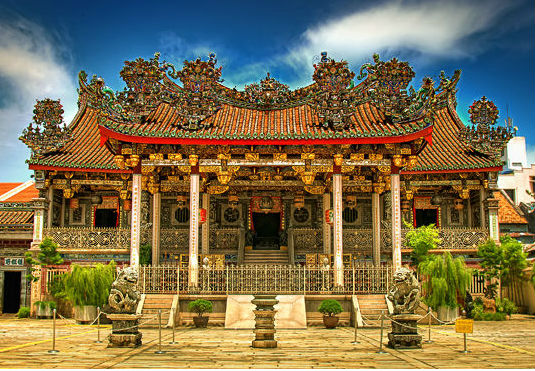
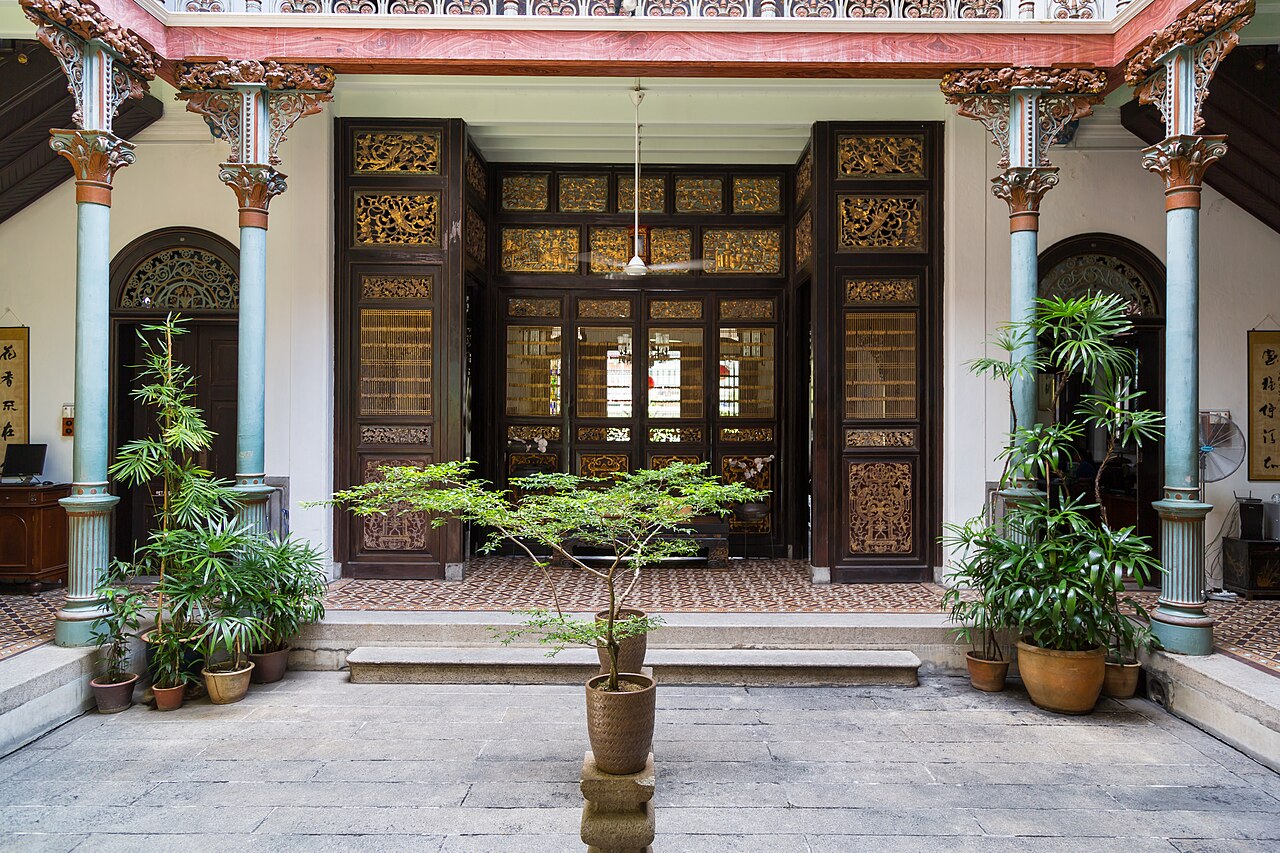
Make it a full day by combining the walk with the sights that sit within a short stroll: Khoo Kongsi clan house, Fort Cornwallis, the Blue Mansion and the lunch stalls along Lebuh Campbell and Lebuh Kimberley. Trishaws are on hand if the heat gets too much. In the rainy season, which peaks in the autumn months, carry a small umbrella and use the covered five-foot ways. Evening is also pleasant, with the lanes lit softly and the hawker stalls in full swing.
What to expect
The experience
A self-guided walk through the lanes of the UNESCO core, or a guided heritage walk that adds the history behind the shophouses, temples and murals.
Best time
Early morning on a weekday for empty lanes and cooler air, or the late afternoon when the heat fades and the light is warm.
How long
Two to four hours with photo stops, coffee breaks and a temple or two.
Tips
Wear comfortable shoes and a hat, carry water, and be respectful in residential lanes. Treat any mural list as a guide, since works change over time.
Quick picks
- Best for
- First-timers who want the best introduction to George Town's character, art and architecture in one walk.
- Families
- Children enjoy spotting the murals and iron caricatures, but the heat is the challenge. Go early and plan for ice-cream and shade breaks.
- Couples
- A slow late-afternoon wander followed by dinner at a hawker stall or a shophouse restaurant is a very good first evening.
- Pair with
- Khoo Kongsi, the Blue Mansion and a hawker food tour, all within walking distance of the main mural lanes.
- Time needed
- Half a day for a relaxed walk, or a full day combined with the nearby sights.
Good questions
Where is the best street art in George Town?+
The densest concentration is around Armenian Street, Lebuh Acheh and the lanes of the old quarter. New works appear and older ones fade, so ask your hotel or guide for current favourites.
Do I need a guide?+
No, you can wander freely with a map, and the art is free to see. A guide adds history and takes you to quieter lanes that most visitors miss.
Is George Town walkable?+
Yes, the old town is compact and flat, so most of it can be covered on foot. Heat and humidity are the main issue, so start early and drink water often.
Who painted the famous murals?+
The best-known works are by Ernest Zacharevic, painted for the 2012 George Town Festival. Many other local and visiting artists have added to the collection since.
What is the best time of year to visit?+
The drier months are generally more comfortable for walking, although the town is lively all year. In the wetter months, plan morning walks and keep a small umbrella in your bag.