Petra: The Siq and the Treasury
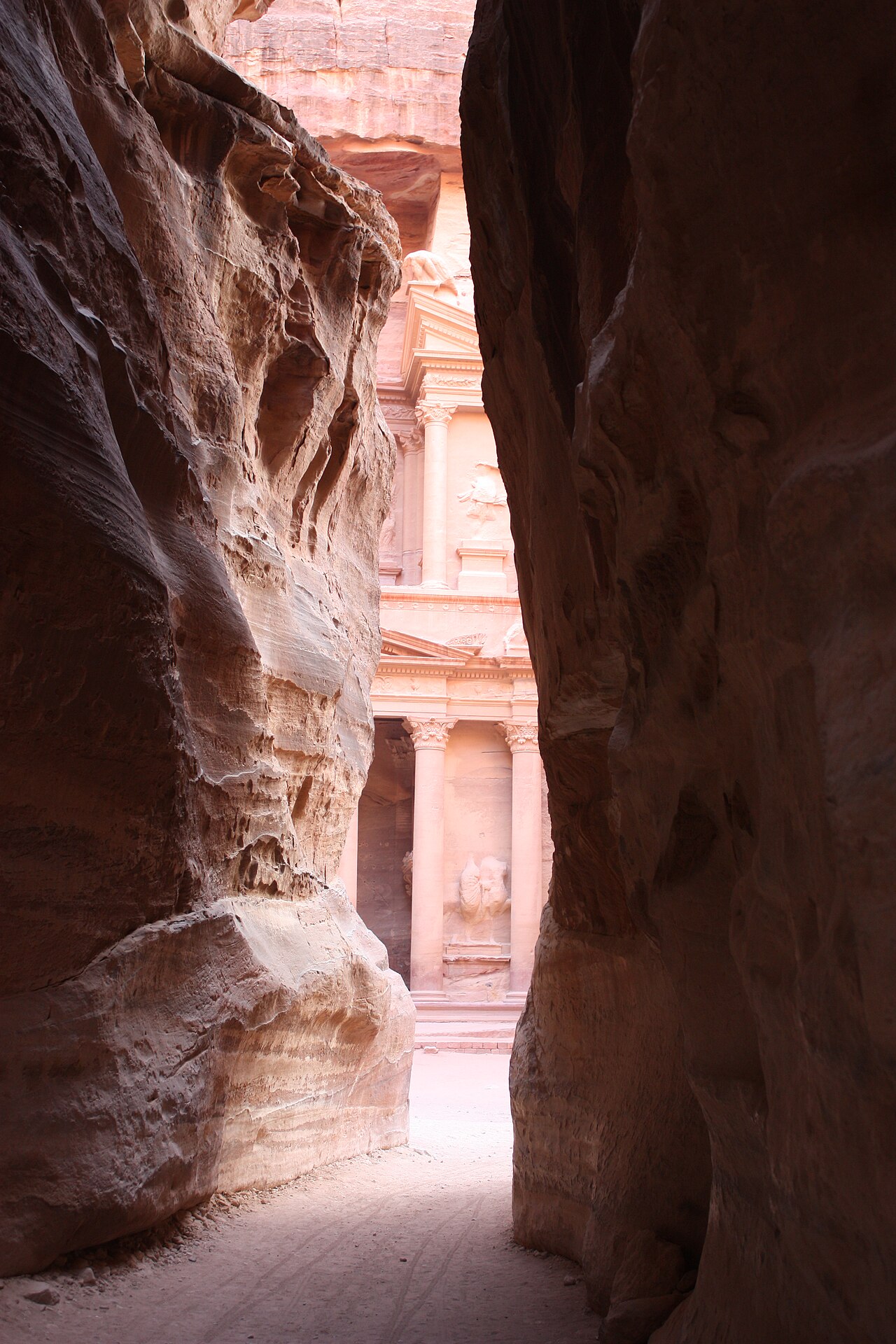
The classic Petra moment: a walk through a narrow, winding gorge that opens onto the Treasury, the carved facade that made the city famous. Your ticket covers the whole archaeological park.
Jordan
Petra is the rose-red city of the Nabataeans, carved straight into the sandstone cliffs of southern Jordan more than two thousand years ago and hidden from most of the outside world until the nineteenth century.
You walk in through the Siq, a narrow, winding gorge with walls that close overhead, and it opens without warning onto the Treasury, the most famous facade in the Middle East. Beyond it lie royal tombs, a theatre, colonnaded streets and, up a long rock-cut stairway, the vast Monastery. Petra has been a UNESCO World Heritage Site since 1985, and the little town of Wadi Musa at its gate is the natural base. A short drive north is Little Petra, a free, quiet echo of the main site, and two hours south is Wadi Rum, the desert of red sand and towering granite and sandstone mountains that T. E. Lawrence crossed and filmmakers use as Mars. This guide shows you how to plan your days inside Petra, when to walk the Siq before the crowds, whether Petra by Night is worth it, how to spend a night in a Wadi Rum camp, how to visit from Amman or Aqaba, and which hotel suits your trip, from a resort at the gate to a dome under the desert stars.
Petra: The Siq and the Treasury
The classic Petra moment: a walk through a narrow, winding gorge that opens onto the Treasury, the carved facade that made the city famous. Your ticket covers the whole archaeological park.
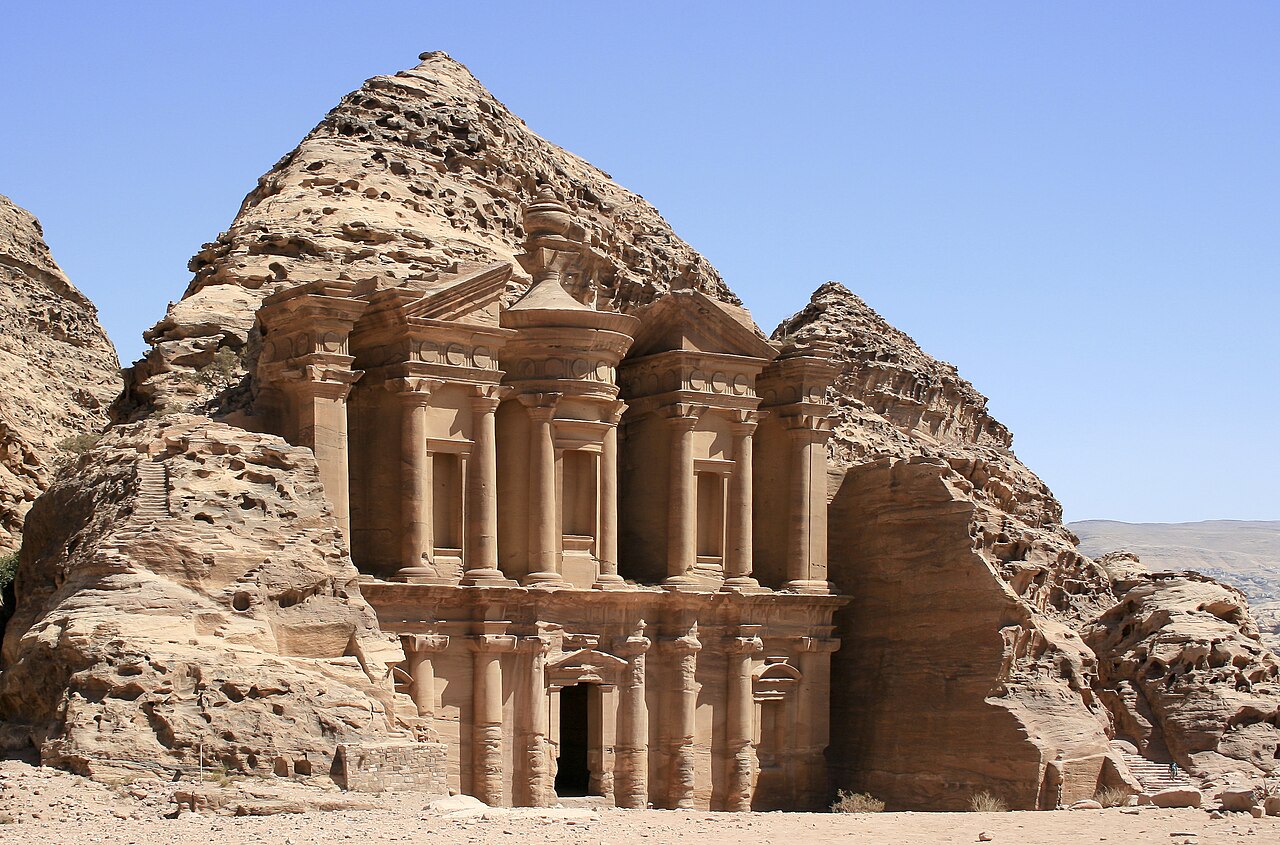
The Monastery (Ad-Deir), Petra
Petra’s biggest monument sits high on a plateau at the far end of the city, reached by a long rock-cut stairway of around 800 steps. The climb is hard; the reward is enormous.
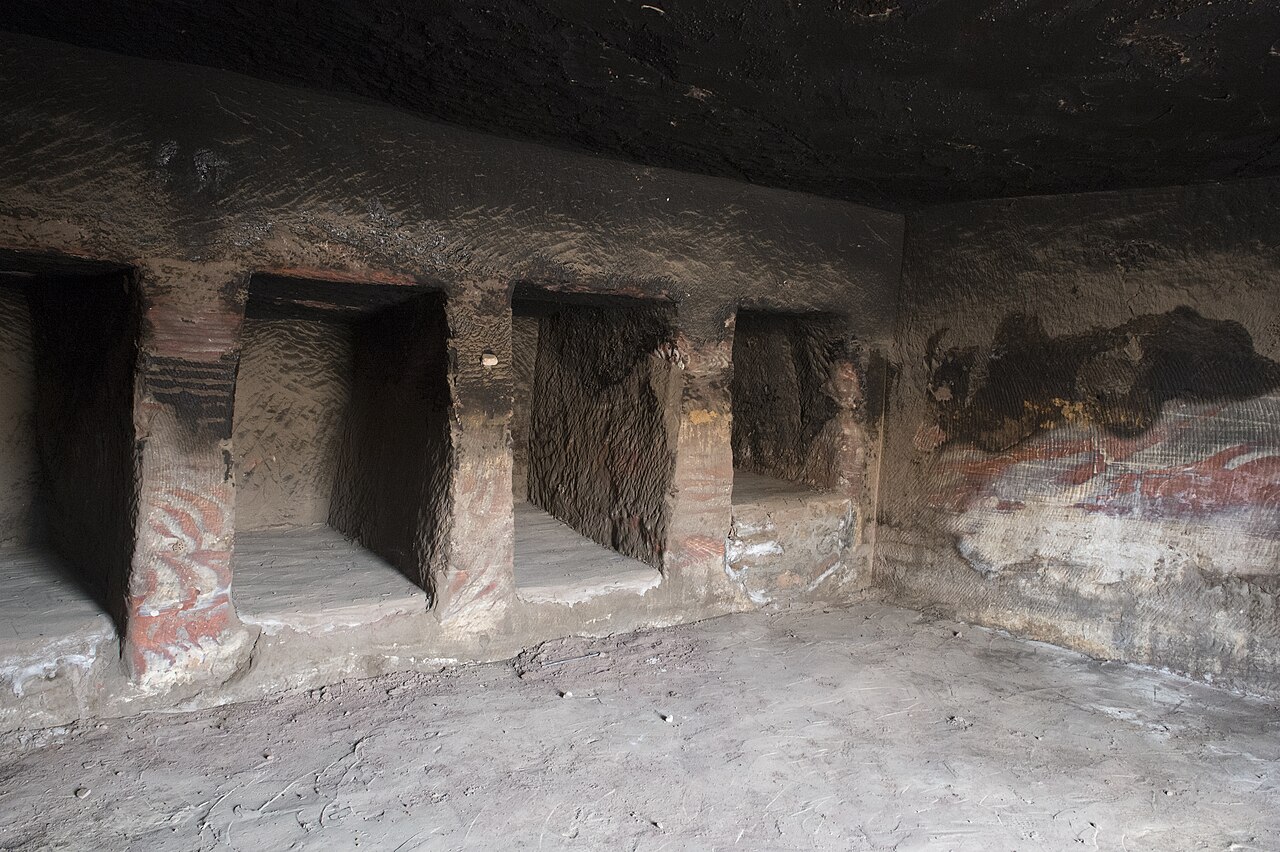
High Place of Sacrifice Trail, Petra
A steep climb from near the theatre to a Nabataean ritual platform on a mountaintop, with sweeping views over Petra and a quiet descent past tombs, carvings and a lion fountain.
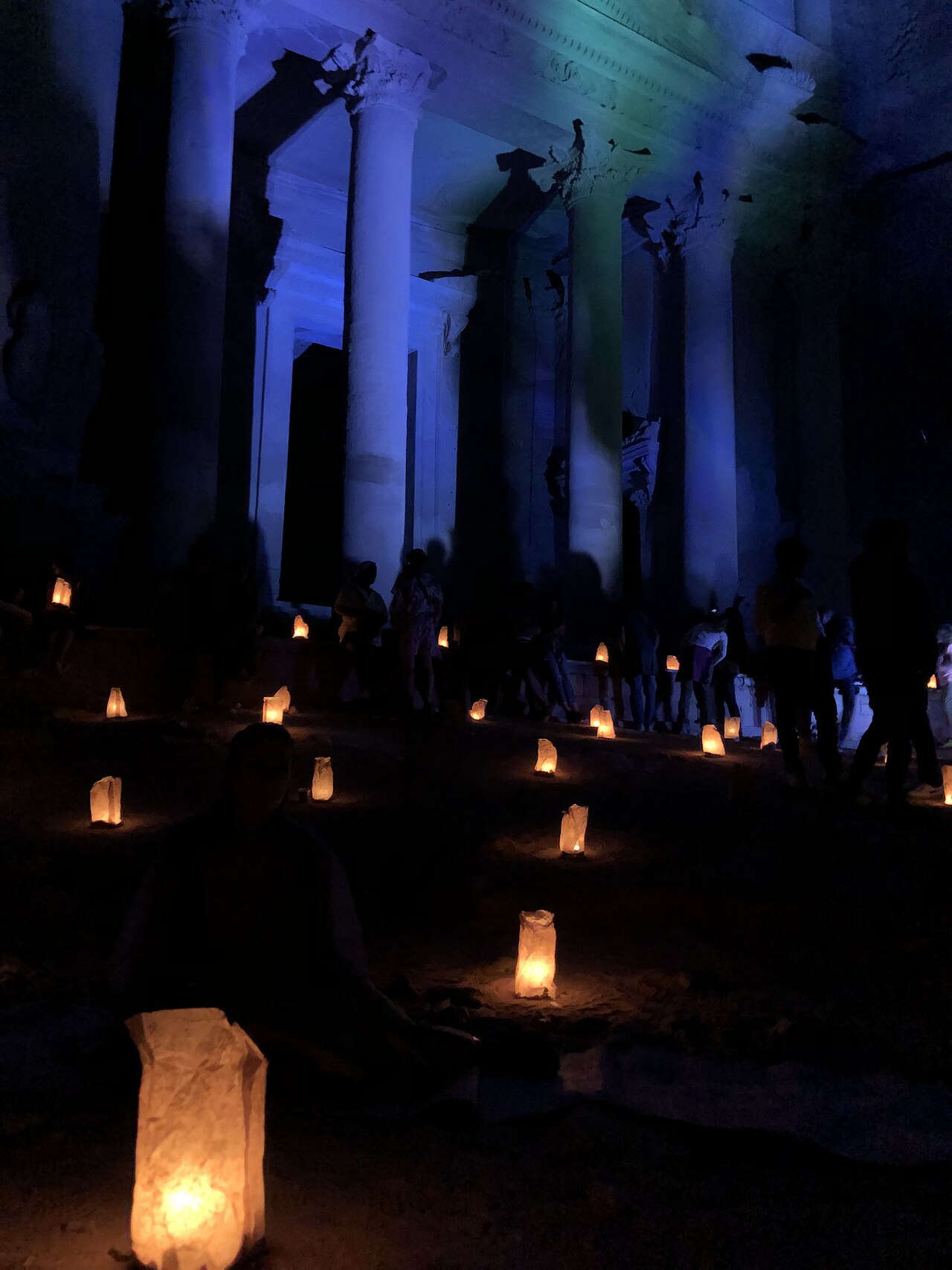
Petra by Night
An evening walk through the Siq lit by about 2,000 candles to the Treasury, where a reimagined show adds projection mapping and narration. Sunday to Thursday, with a separate ticket.
The classic Petra moment: a walk through a narrow, winding gorge that opens onto the Treasury, the carved facade that made the city famous. Your ticket covers the whole archaeological park.
Petra’s biggest monument sits high on a plateau at the far end of the city, reached by a long rock-cut stairway of around 800 steps. The climb is hard; the reward is enormous.
A steep climb from near the theatre to a Nabataean ritual platform on a mountaintop, with sweeping views over Petra and a quiet descent past tombs, carvings and a lion fountain.
An evening walk through the Siq lit by about 2,000 candles to the Treasury, where a reimagined show adds projection mapping and narration. Sunday to Thursday, with a separate ticket.
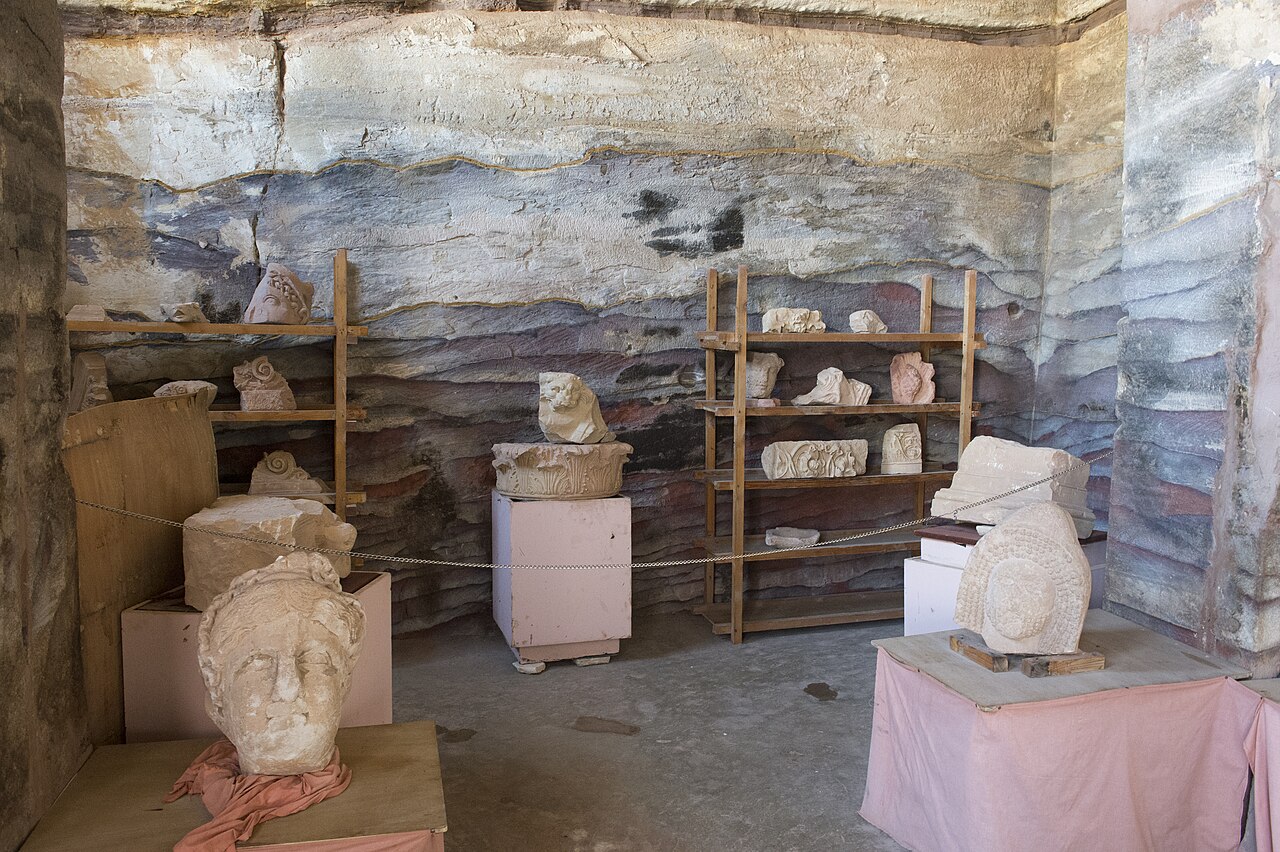 Free
A modern museum beside the visitor centre that tells the Nabataean story with around 280 finds from the site, from statues and tools to everyday objects. The best hour of context before or after the ruins.
 Free
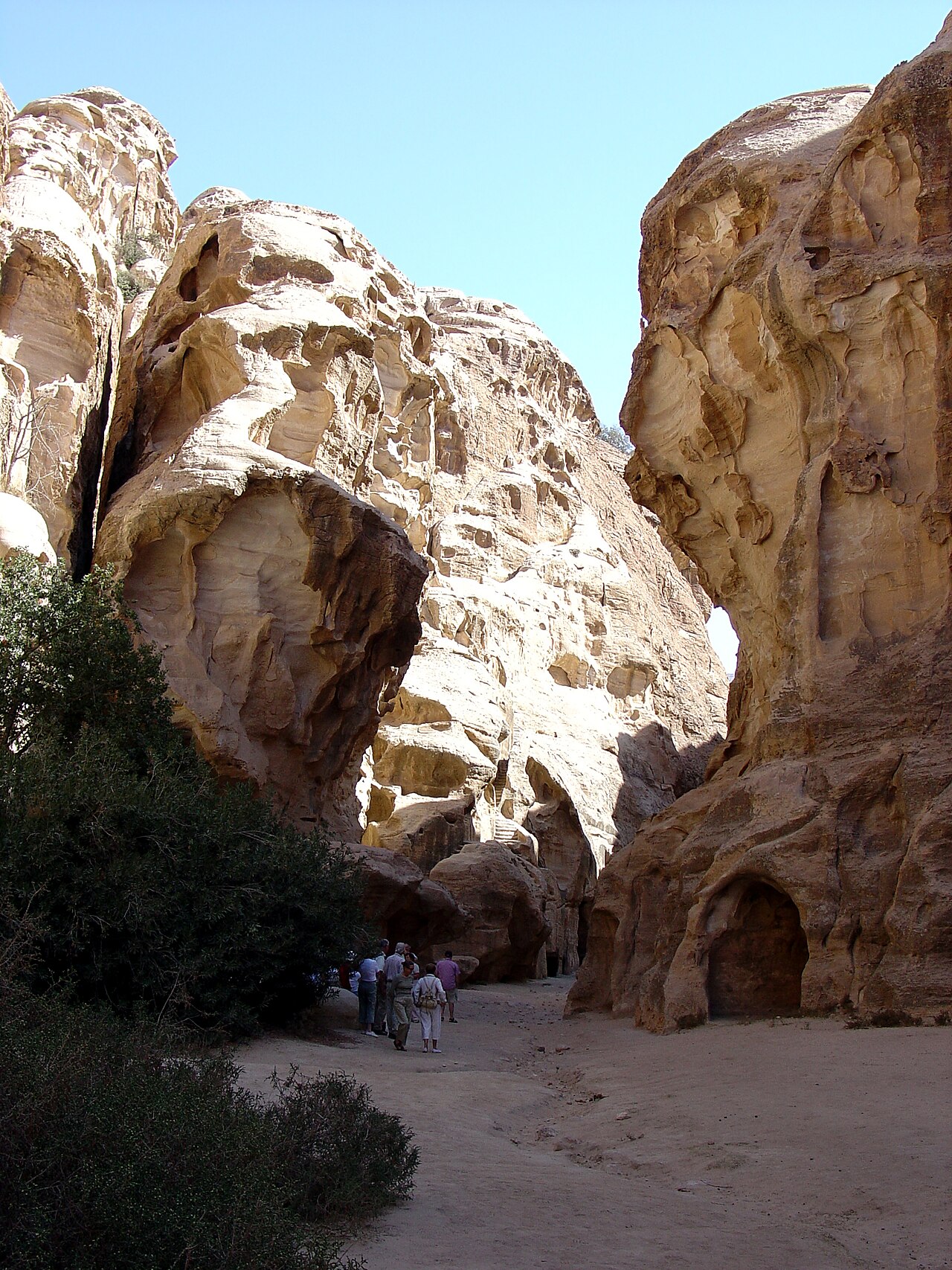
A short drive north of Wadi Musa, a small canyon of Nabataean facades, cisterns and a rare painted ceiling. Free, quiet and a lovely half day, or the start of the back trail to the Monastery.
A vast desert of red sand, sheer sandstone and granite mountains and ancient rock art, protected by UNESCO since 2011. Explore by jeep, camel or on foot, and stay a night under the stars.
A jeep safari through Wadi Rum with a live guide, sandboarding, a full Bedouin meal and a night in a desert camp, starting from Wadi Rum Village. Free cancellation up to 48 hours ahead.
A full-day guided trip from Amman that takes care of the long drive south and combines Petra with Little Petra. The easiest option if you are short on time and based in the capital.
Jordan’s only port, on the Red Sea, with coral reefs, beaches and an airport. The southern gateway for day trips to Wadi Rum and Petra, and a relaxing finish to a desert trip.
Hotels we would book ourselves, from splurges to good-value bases.
 $$$$
Petra Gate, Wadi Musa
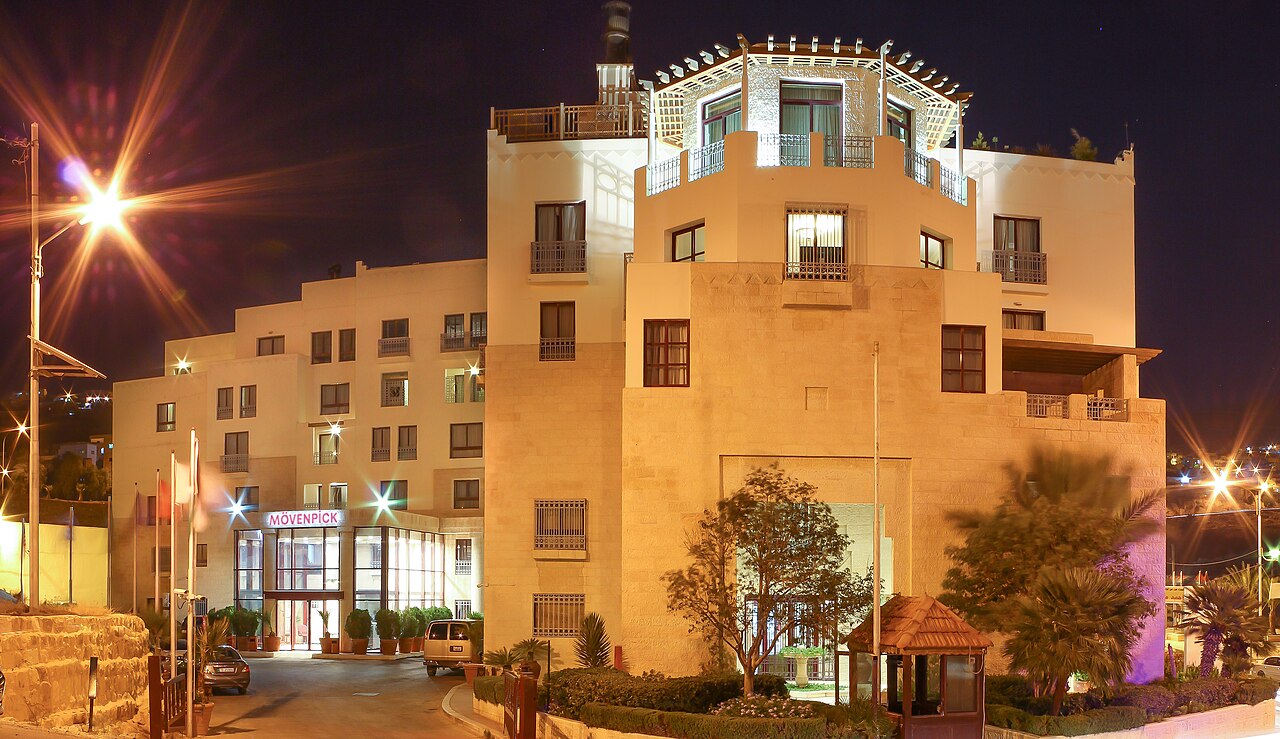
A five-star resort right at the entrance to Petra, about 50 metres from the visitor centre and museum, with a rooftop garden, several restaurants, a pool and a spa. The splurge for a Petra stay.
Check rates →Petra Gate, Wadi Musa
A four-star hotel just metres from the Petra entrance, with rooms and garden chalets and the famous Cave Bar, set in an ancient Nabataean tomb. Unbeatable location at a lower price than the resorts.
Check rates →Visitor Center Street, Wadi Musa
A good-value mid-range hotel on Visitor Center Street, about a five- to ten-minute walk from the Petra gate, with a rooftop pool and Jacuzzi and sundown barbecues on the terrace.
Check rates →Little Petra
A mountain camp near Little Petra with dome tents and cabins with balconies, a restaurant and big views. A quieter, more adventurous alternative to a hotel in town.
Check rates →Wadi Rum (Disi)
A well-known Wadi Rum desert camp with air-conditioned Martian domes, Bedouin tents and a panoramic suite, plus buffet meals, a zarb dinner and stargazing among the sandstone mountains.
Check rates →Everything you need to plan a first trip to Petra and Wadi Rum: the Jordan Pass, how many days to give each, how to get there from Amman or Aqaba, and how the headline sights fit together.
How to choose your base for Petra and Wadi Rum, from a five-star resort at the Petra gate to a rooftop-pool hotel in Wadi Musa, a camp near Little Petra and a dome in the desert.