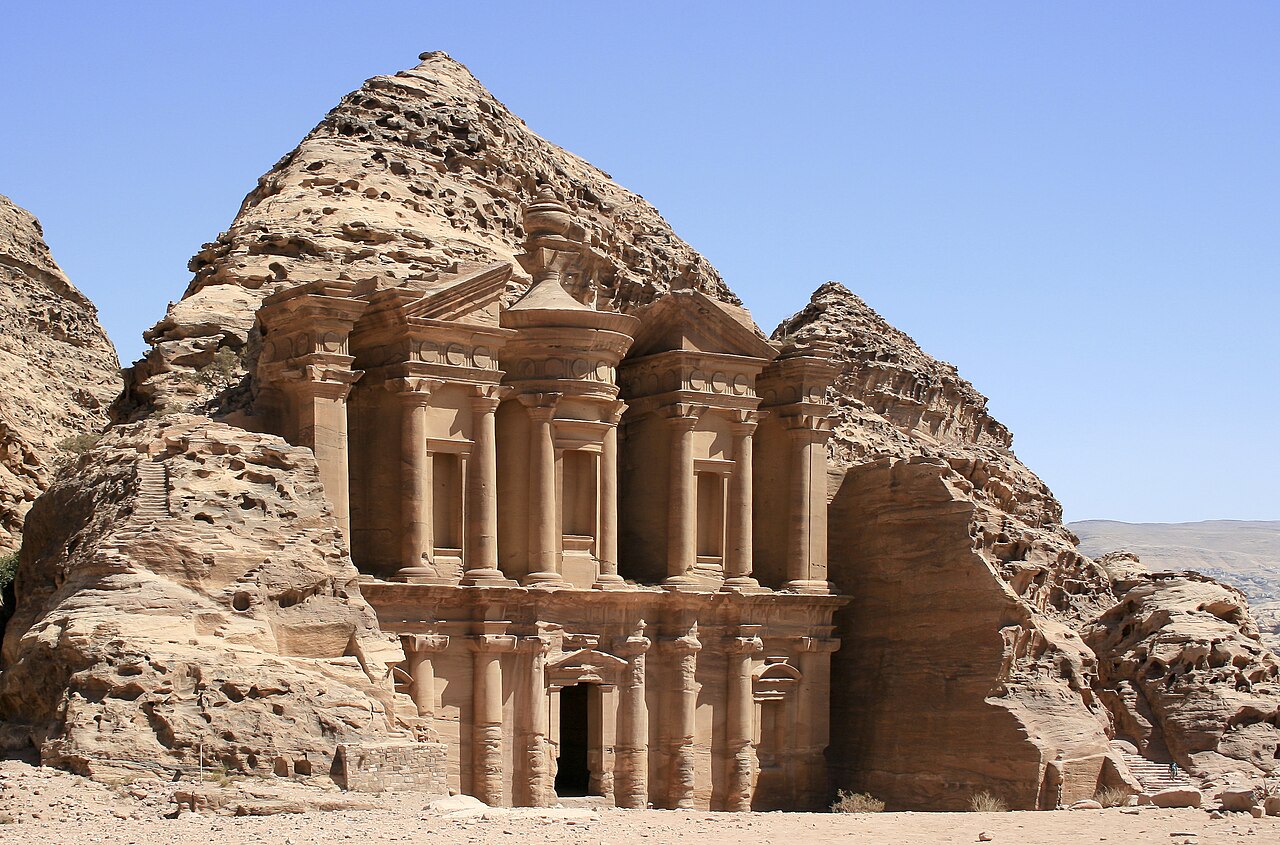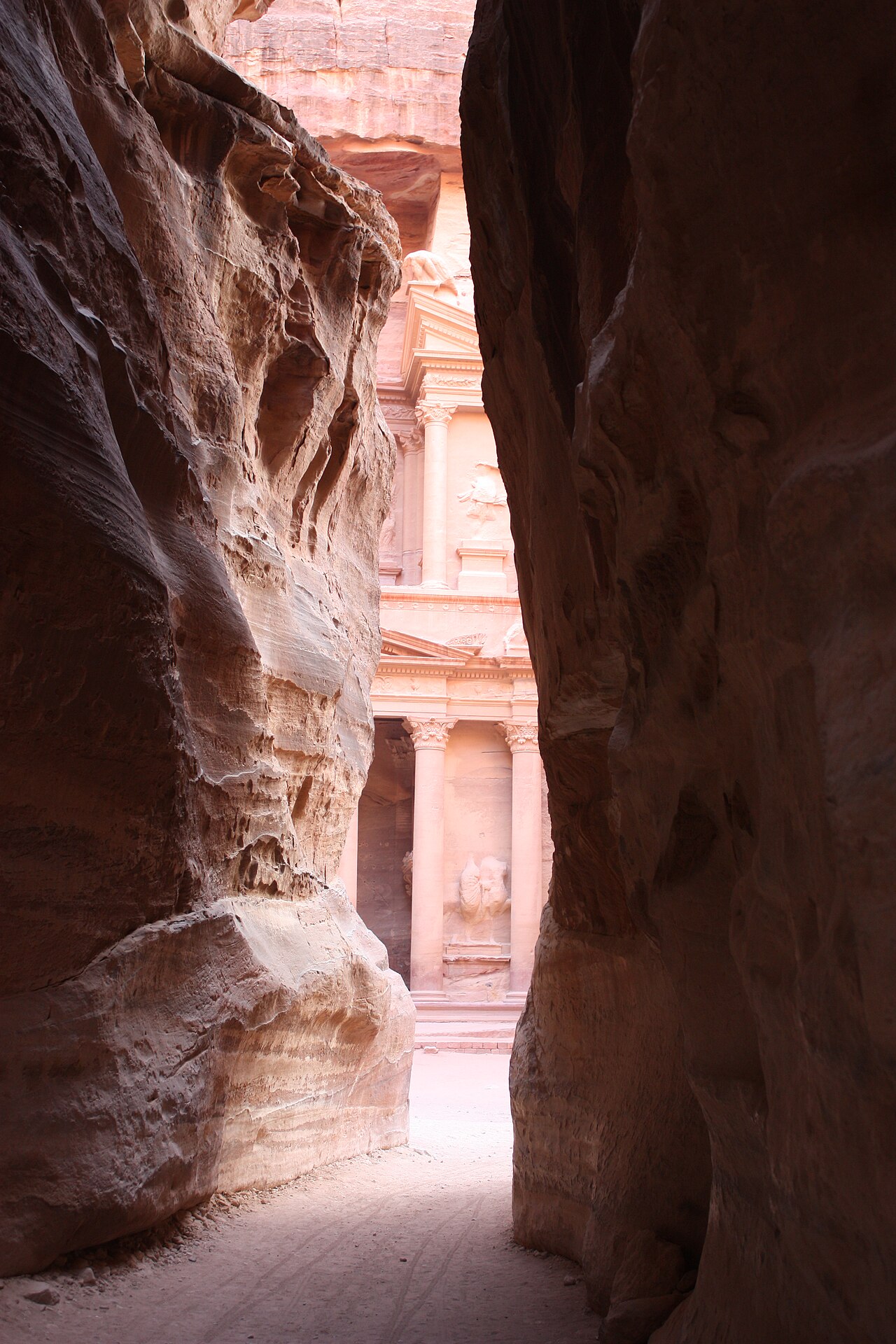
Southern Jordan is a desert region, and the season you travel in changes how much you will enjoy it. Petra involves long days on foot with little shade, and Wadi Rum swings between hot days and cold nights, so timing matters more than usual. Here is how the year breaks down.
Spring, from March to May: the best all-round choice
Days are warm but not punishing, the light is clear and the hills around Petra and Wadi Rum can be briefly green after winter rain, with wildflowers in the valleys. Nights in the desert are cool rather than freezing, which makes camp stays comfortable. This is the most popular time, so expect more people at the Treasury and higher prices for hotels and camps, and book your camp and flights early. Early April and May tend to be especially pleasant, though the heat builds noticeably towards the end of May.
Autumn, from late September to November: nearly as good
The summer heat eases, days are sunny and the evenings are mild, with long, golden light on the rock. October is often ideal for walking the long trails, such as the Monastery climb or the High Place of Sacrifice. Crowds are typically a little lighter than in spring. By November, days are still pleasant but nights get noticeably cold in the desert, so bring warm layers, and the days shorten, which affects how long you can stay at the sites.
Summer, from June to August: hot, so start early
Daytime temperatures at Petra regularly climb into the thirties Celsius, and Wadi Rum and Aqaba are hotter still, with almost no shade on the trails. Visitors who come in summer should be at the gate at opening, finish the hardest walking before the late morning, rest at midday and return in the late afternoon. Carry far more water than you think you need, wear a hat and sunscreen, and take the heat seriously, since heat exhaustion is a real risk. The upside is that the sites can be quieter and hotel rates lower, and summer evenings in the desert are warm enough to sleep outdoors under the stars. It is also the best season for Aqaba’s beaches, diving and snorkelling.
Winter, from December to February: quiet and cold
Petra can be cold, wet and windy, with rain and, occasionally, snow on the higher ground, and the stone steps get slippery. A sudden downpour can cause flash floods in narrow canyons, including the Siq, so follow guidance from the site staff and pay attention to the weather forecast. On the other hand, the crowds are small, the light is dramatic and the mood is peaceful, and on a clear winter day the walking is pleasant. Wadi Rum has crisp, sunny days and very cold nights, often close to freezing, so choose a camp with proper heating, blankets and an enclosed tent or dome. Aqaba stays mild, which makes it a good winter base for warming up.
Ramadan and holidays
The dates of Ramadan move earlier each year, so check the calendar for your trip. Sites remain open, but hours can change, some restaurants close or reduce service during the day, and you should avoid eating or drinking in public in the daytime out of respect. Evenings are lively, and many visitors enjoy sharing the sunset meal. After Ramadan comes Eid, and school holidays bring more domestic visitors, so book accommodation early for those weeks.
Time of day
Whatever the season, the best time at Petra is opening time, when the Siq is empty and the light on the Treasury is soft. Tour groups tend to arrive mid-morning, so you can use the early hours for the Treasury and the quieter later hours for the trails. In Wadi Rum, late afternoon and sunset are the golden hours, and the night sky is best around the new moon.
Our pick
If you can choose, go in March, April, October or early November. If you must travel in summer, plan early starts and long midday breaks, and if you go in winter, pack layers and be flexible about the weather. In every season, buy tickets and book camps ahead of time for the busiest weeks, carry water and wear strong shoes.