Southern Jordan is not a cheap destination, mostly because of the Petra entry fee and the cost of reaching remote places, but it is possible to keep a lid on spending without missing the highlights. The trick is to save on the things that do not change your experience and spend on the ones that do.
Buy the Jordan Pass
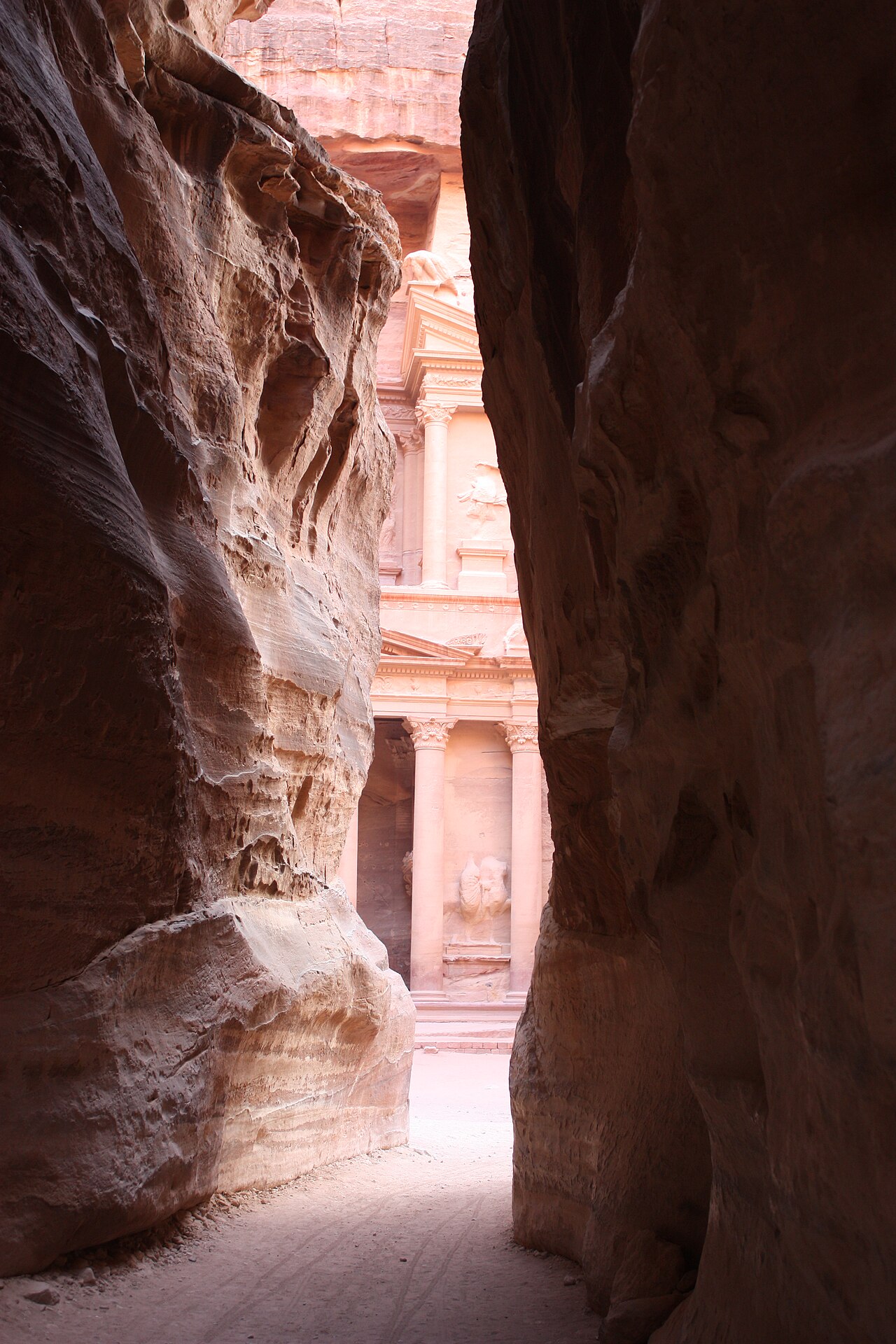
For most visitors, this is the single biggest saving. It bundles Petra entry with Wadi Rum and many other sites, and it can cover the tourist visa fee for qualifying stays. The longer your Petra option, the better value, since multi-day tickets cost only a little more than a single day. Buy it online before you travel, check what it includes and carry it on your phone. Remember that it does not cover Petra by Night, jeep tours, camps or guides.
Stay in Wadi Musa, not at the gate
The hotels clustered at the visitor centre charge a premium for the location. A short walk or taxi ride up the hill buys much lower rates, and there are guesthouses and mid-range hotels with breakfast included. If you are happy with simple rooms, look at the budget places along the main roads. Compare rates in the shoulder seasons, since winter and summer are cheaper than spring and autumn, and check whether breakfast, heating and airport or camp transfers are included before you compare prices.
Choose a simple desert camp
In Wadi Rum, a traditional Bedouin tent with shared bathrooms costs far less than a dome with air conditioning and a private bathroom, and the night sky is exactly the same. Most camps include dinner and breakfast, which makes them good value, and many can arrange a jeep tour. Ask what the package includes and whether transfers from the village are free, because extra costs can add up. Group jeep tours are cheaper per person than private ones, and a half-day tour covers the classic stops.
Eat where the locals eat
Falafel, hummus, flatbread and shawarma from small restaurants in Wadi Musa and in Aqaba are filling, tasty and cheap. A table of mezze with bread makes a meal for two. Hotel restaurants and tourist places near the gate cost noticeably more, so walk a little further for dinner. Carry a refillable water bottle and top up at your hotel, because buying bottles every day adds up. Tea stalls inside Petra are fairly priced, but a thermos of your own saves money and is welcome in the heat.
Use public and shared transport
The JETT bus links Amman and Petra at a fraction of the price of a private driver, and shared minibuses run between Wadi Musa and other towns, though they follow their own schedules and may leave when full. For Wadi Rum, a shared transfer or a taxi from Wadi Musa is cheaper than a private tour, and Aqaba has buses to the desert as well. Agree taxi fares before you get in, and ask your hotel what a fair price should be. If you are travelling as a group, a private driver can work out cheaper per person than separate tickets.
Enjoy the free sights
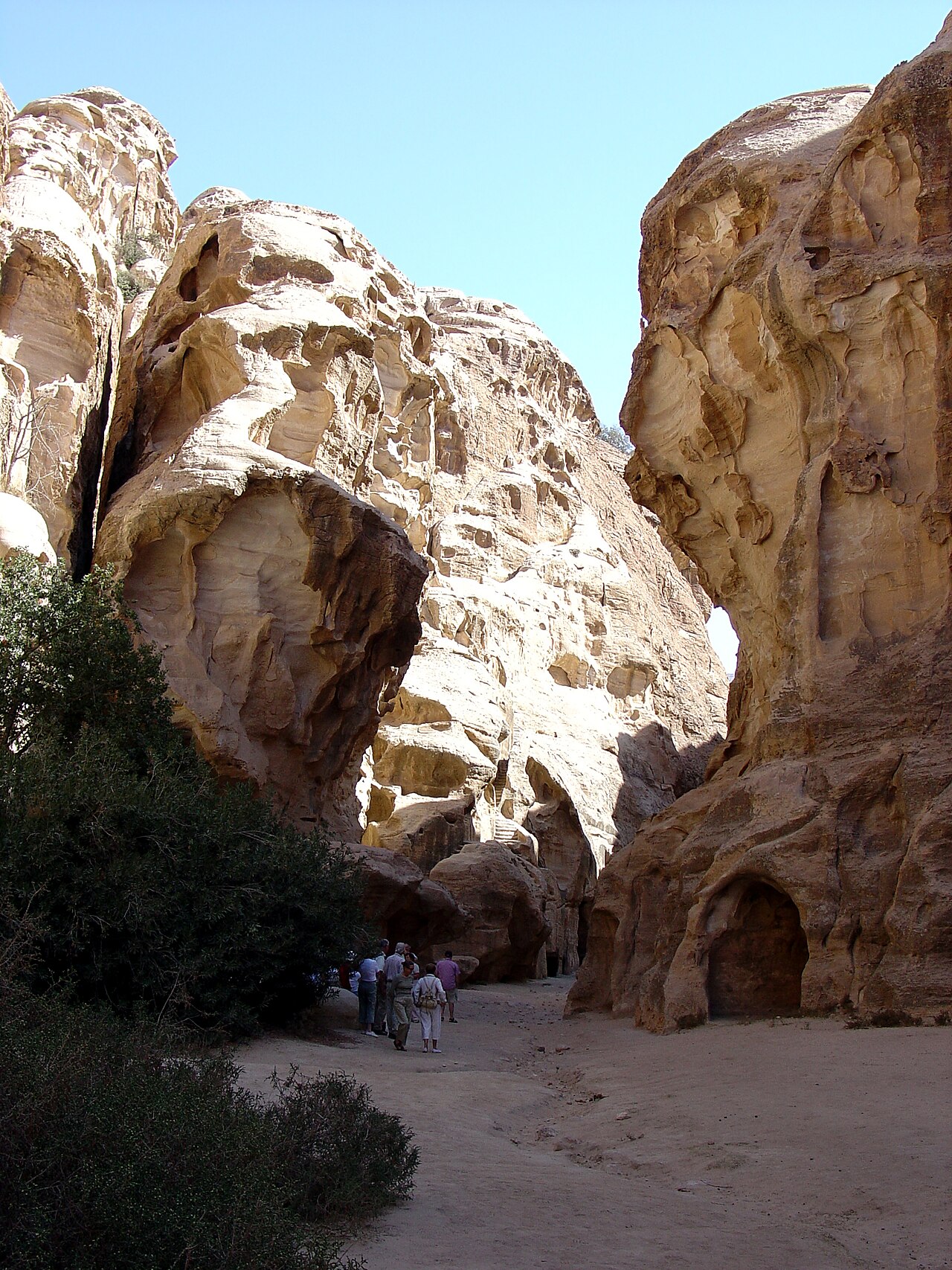
Little Petra is free and wonderfully quiet, and walking the wider Petra valleys costs nothing once you are inside. Wadi Rum has trails and viewpoints near the village that you can enjoy without a tour. In Aqaba, the public beach, the waterfront and the old fort are low-cost ways to fill a day. Wandering the streets of Wadi Musa and Madaba to see crafts and shops costs nothing either.
Be careful where you cut
Do not skimp on water, sun protection or footwear, because discomfort ruins a day of walking. A licensed guide for your first morning at Petra is often worth it, because the carvings and the history make far more sense with someone explaining them. Be wary of unlicensed offers, and agree prices for any horse, donkey or camel ride before you set off. Tipping is customary and appreciated, so keep small notes in dinars.
Sample plan
Arrive by bus, take a two-day Petra ticket with the Jordan Pass, sleep in a modest hotel up the hill, eat mezze, visit Little Petra by taxi, then share a transfer to Wadi Rum for a group jeep tour and a simple camp night. It is a trip that feels rich in experience and light on the wallet.