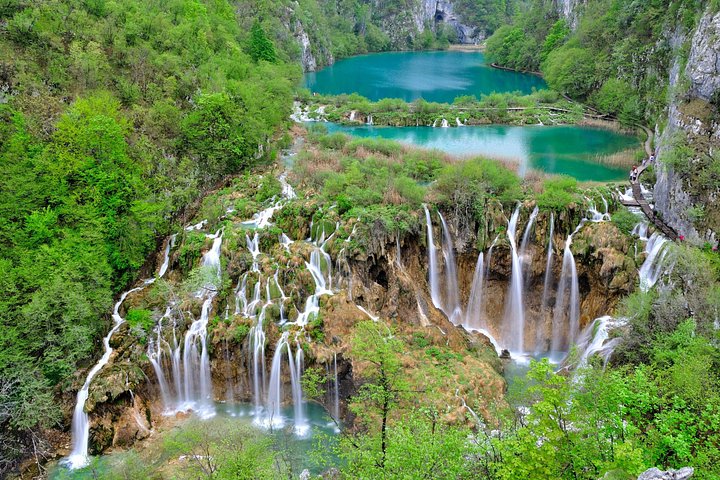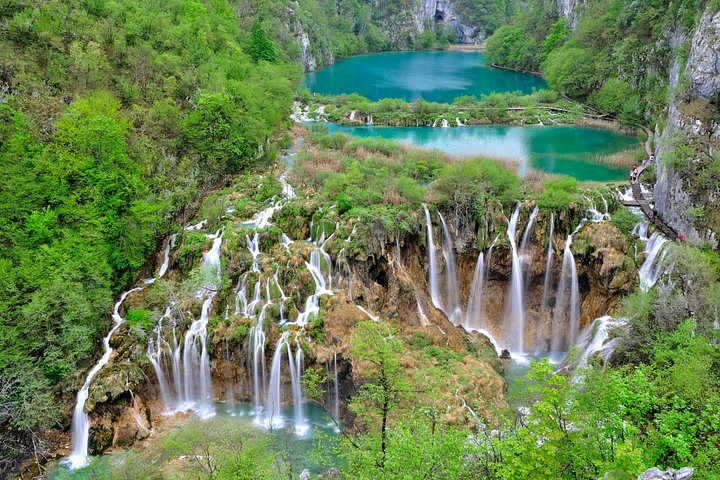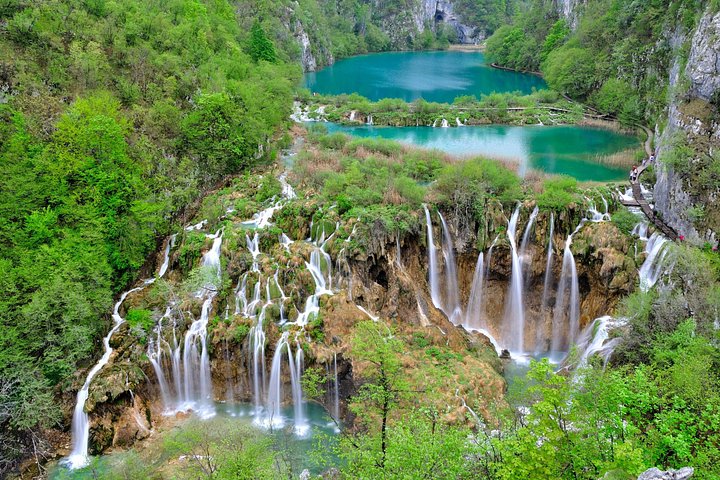
Plitvice Lakes is easy to photograph and surprisingly hard to photograph well. The water is brilliant, the waterfalls are many and the forest is lush, but the boardwalks are narrow, the light can be harsh and the best spots fill with visitors. This guide helps you plan the shoot so you come home with more than postcards.
Timing is everything
The best light is in the first two hours after sunrise and the last hour before sunset, when the sun is low and the contrast is gentle. Early mornings also give you mist over the lakes and almost empty boardwalks. By midday in summer, the sun is high, the water glares and the crowds peak. If you can only visit at midday, shoot in the forest shade and focus on detail rather than wide vistas. A sunrise tour or a hotel near the entrances makes early starts much easier.
Where to stand
The Lower Lakes offer the iconic views: the tall waterfall from the viewpoints above and below, the cascades that spill between the lakes and the clear pools where fish hang in the water. Upper Lakes viewpoints are more tranquil, with reflections on Kozjak and the forest edge. Walk each section slowly and look back, because the scene often improves from behind. Keep within the marked paths and follow the rules, as the boardwalks protect the fragile travertine.
Gear and settings
A standard zoom covers most scenes, a wide lens helps at the big waterfall and a short telephoto picks out details such as moss, leaves and fish. A polarising filter cuts glare on the water and deepens the turquoise, while a neutral density filter lets you slow the shutter to blur falling water. Tripods are often restricted on the busy boardwalks, so check the rules and consider a compact support or simply brace against a rail. Keep a lens cloth, since spray and mist are constant.
Exposure and colour
Water and bright foliage can fool the meter, so shoot a little under and recover shadows later. Shoot in raw if your camera allows. Colour varies with algae, minerals and sky, and the water can look turquoise, green or even grey, so adjust white balance gently rather than pushing saturation. Overcast days are underrated, because they remove harsh contrast and make the colours richer.
Spring
High water makes the waterfalls loud and full, the forest is fresh green and wildflowers appear. Rain is frequent, so protect your gear. This is a great season for long exposures of cascades.
Summer
Clear skies and warm light give the most vivid water colour, but crowds are the challenge. Go early or late, and use the boat or train to reach quieter stretches. Midday is for detail shots and forest scenes.
Autumn
Beech and maple turn gold and red, mirroring in the lakes, and crowds thin in September. Morning mist is common, and the light is warm. Many photographers consider it the best season for colour.
Winter
Frost, ice and snow transform the park, with frozen waterfalls and quiet boardwalks. Daylight is short and the boards can be icy, so wear grip shoes and dress warmly. Some sections may be closed, so check what is open. The reward is a stark, uncluttered landscape and almost no people in your frames.
Beyond the lakes
Rastoke in Slunj offers watermills and cascades in a village setting, and its small scale suits close-up work. The Mrežnica river is a good subject from a kayak, if you have a waterproof bag. Ogulin's gorge and castle add variety, and the Željava airbase is a dramatic subject for urban-exploration photographers, though it must be visited with a guide.
Respect the park
Do not leave the boardwalks, touch the travertine or fly drones without permission, as drones are generally restricted in protected areas. Be considerate to other visitors by avoiding long stops on narrow sections, and be ready to move on when others wait. The best shots often come from patience and a willingness to return to a scene when the light changes.
A simple plan
Stay nearby, arrive at opening or on a sunrise tour, start with the Lower Lakes, take the boat across Kozjak, and finish with the Upper Lakes as the light warms. Keep a second day in reserve if the weather is poor, because conditions here change quickly.