Portland has one of the most inventive and affordable food scenes in America, built on a few local obsessions: food carts, coffee, craft beer, doughnuts and an almost religious commitment to Pacific Northwest ingredients. You can eat brilliantly here without ever booking a fancy table, though the city has plenty of those too. This guide explains how the scene works and how to plan your eating.
Food carts: the essential Portland meal
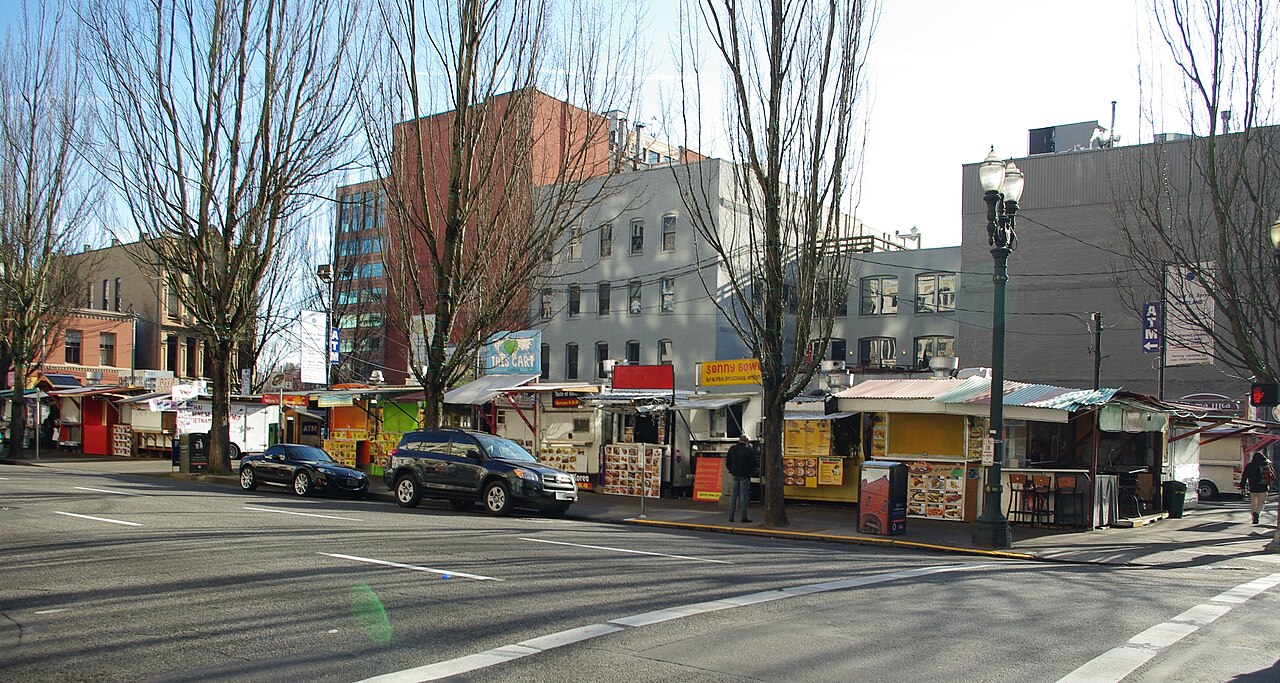
Portland has well over 500 food carts, and locals call them carts rather than trucks because most stay in one place, clustered into permanent pods. Pods range from simple lots with a few picnic tables to elaborate hangouts with covered, heated seating, fire pits, bars and live music, and between them they cover almost every cuisine on earth at prices well below sit-down restaurants. Many celebrated Portland chefs started in carts, and the best carts are as good as the city's restaurants.
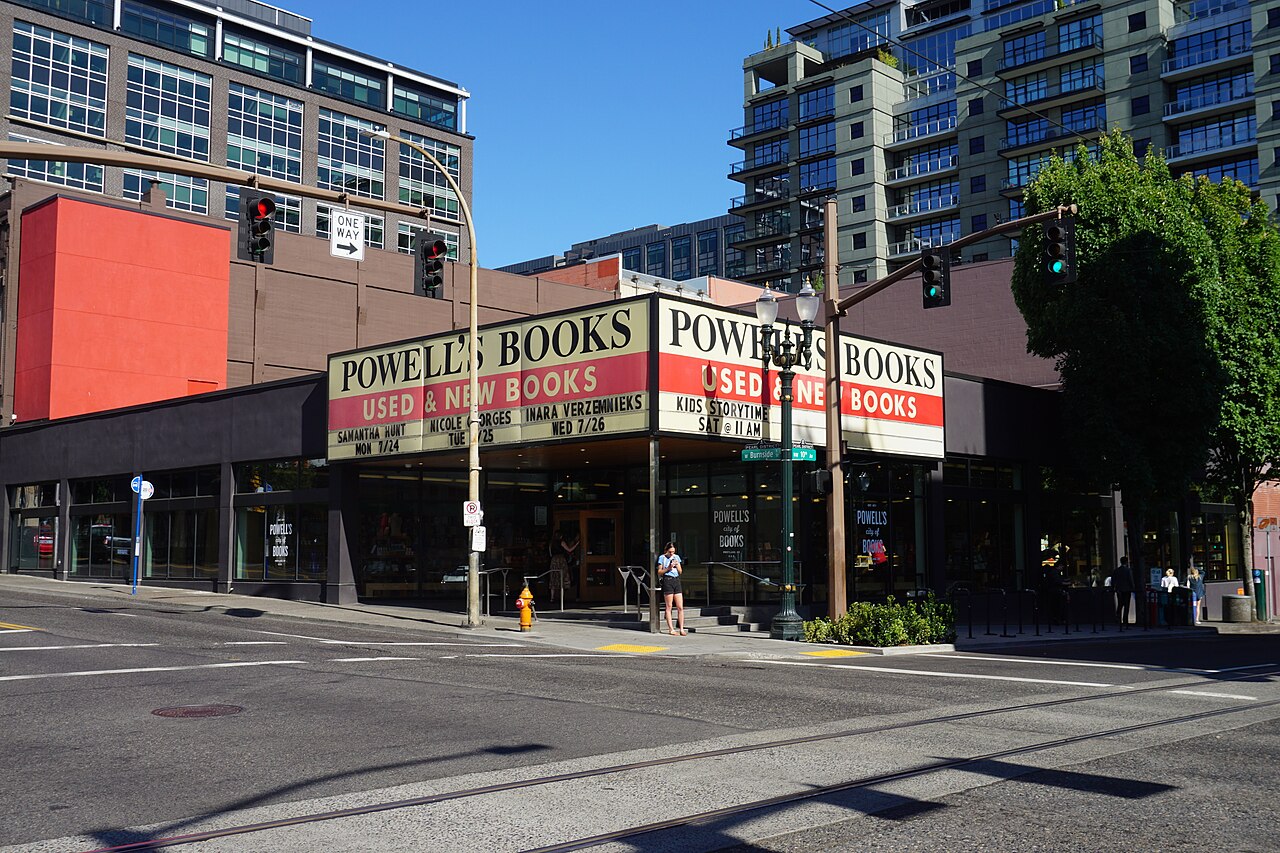
Downtown, The Cart Blocks near the North Park Blocks took in many vendors from the much-loved Alder Street pod when it closed, and it is a convenient lunch stop near Powell's City of Books. Carts at Pioneer Courthouse Square serve the lunch crowd on the city's central plaza, the Portland State University pod specializes in inexpensive Indian, Mexican and Thai, and Midtown Beer Garden, near a MAX stop, has room for hundreds of diners. On the east side, Cartopia on SE Hawthorne Boulevard has been feeding late-night crowds since 2008, Hawthorne Asylum offers more than twenty carts with covered seating, a fire pit and a bar, and Springwater Cart Park is a super pod with around thirty carts. In North Portland, Prost Marketplace on Mississippi Avenue pairs carts with a German-style beer bar, and St. Johns Food and Beer Porch serves its neighborhood under cover. Pods open and close as land is redeveloped, so check a current directory before you go.
How to eat at a pod
Go hungry and with friends, order from several carts and share. Look for short menus, handwritten specials and lines of locals. Most carts take cards, but a little cash helps at smaller ones. Downtown carts focus on weekday lunch, while east-side pods stay open into the evening; in the rainy months, choose pods with covered seating.
Coffee
Portland is one of America's great coffee cities, with dozens of independent roasters and cafés where baristas take their craft seriously. Neighborhood cafés are part of daily life, and a morning coffee crawl through the Pearl District, the West End or the Central Eastside is a pleasant way to explore. Many hotel lobbies have excellent coffee bars too — The Hoxton's lobby bar, for example, is powered by a local roaster.
Doughnuts and sweets
Portland's doughnut culture is famous, from the city's best-known quirky doughnut shop, with its pink boxes and late-night lines in Old Town, to gourmet bakeries making brioche doughnuts with seasonal fillings. Ice cream shops with unusual local flavors are another Portland passion, and lines on summer evenings are part of the experience.
Craft beer, cider, wine and spirits
Portland has long been one of the country's leading craft beer cities, with brewpubs in nearly every neighborhood, and many food cart pods have bars serving local beer and cider. The Willamette Valley, an hour southwest, produces some of America's finest Pinot Noir, and tasting rooms and wine bars around the city pour it widely. Craft distilleries, many clustered on the east side, round out the drinks scene. McMenamins, the regional company behind the Kennedy School hotel, runs brewpubs across the city, often in restored historic buildings.
Farmers markets and local ingredients
The Portland Farmers Market, held at Portland State University on Saturdays and at other sites through the week, showcases the region's produce, berries, mushrooms, cheese and seafood. Pacific Northwest cooking leans on salmon, Dungeness crab, hazelnuts, foraged mushrooms, berries and seasonal vegetables, and you will see these ingredients on menus at every price point. Restaurants like Urban Farmer at The Nines build their menus around local, sustainable producers.
A day of eating in Portland
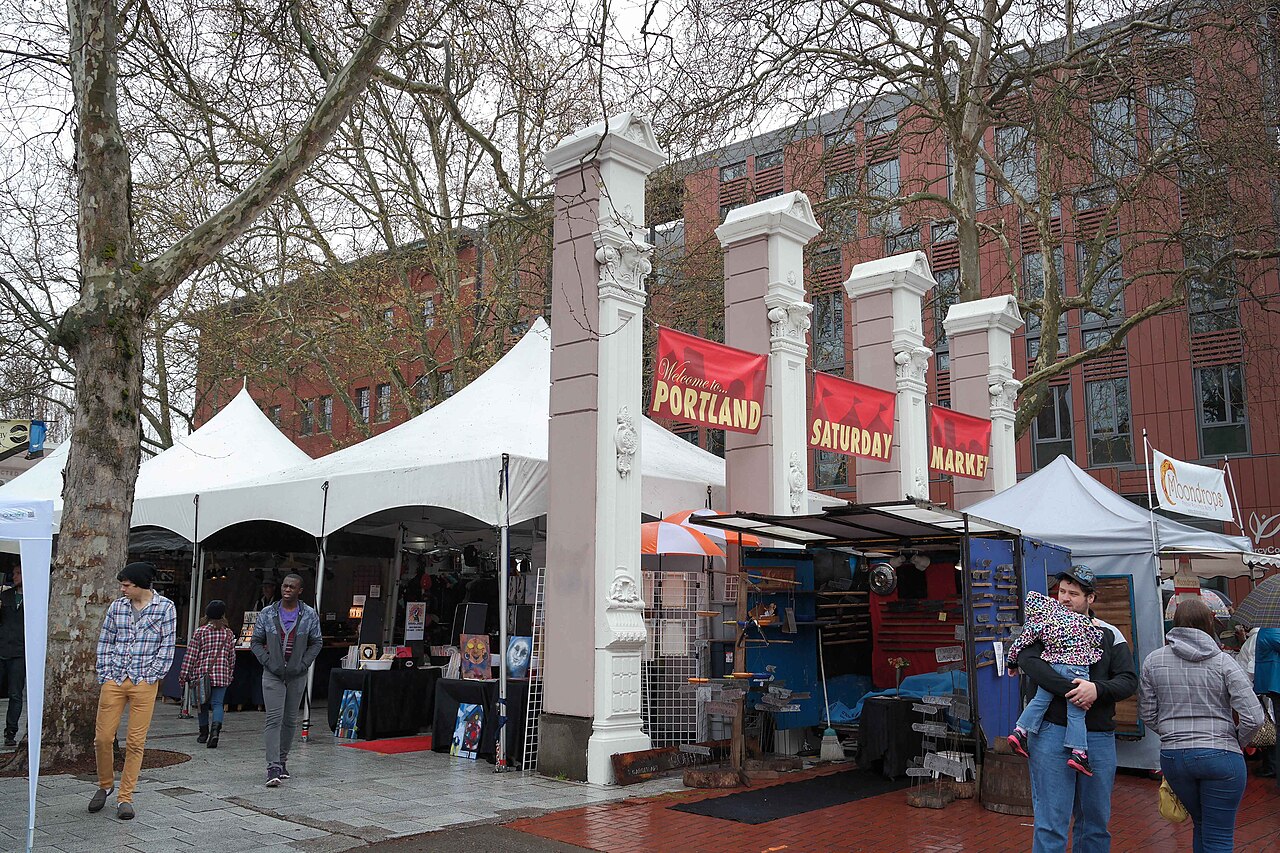
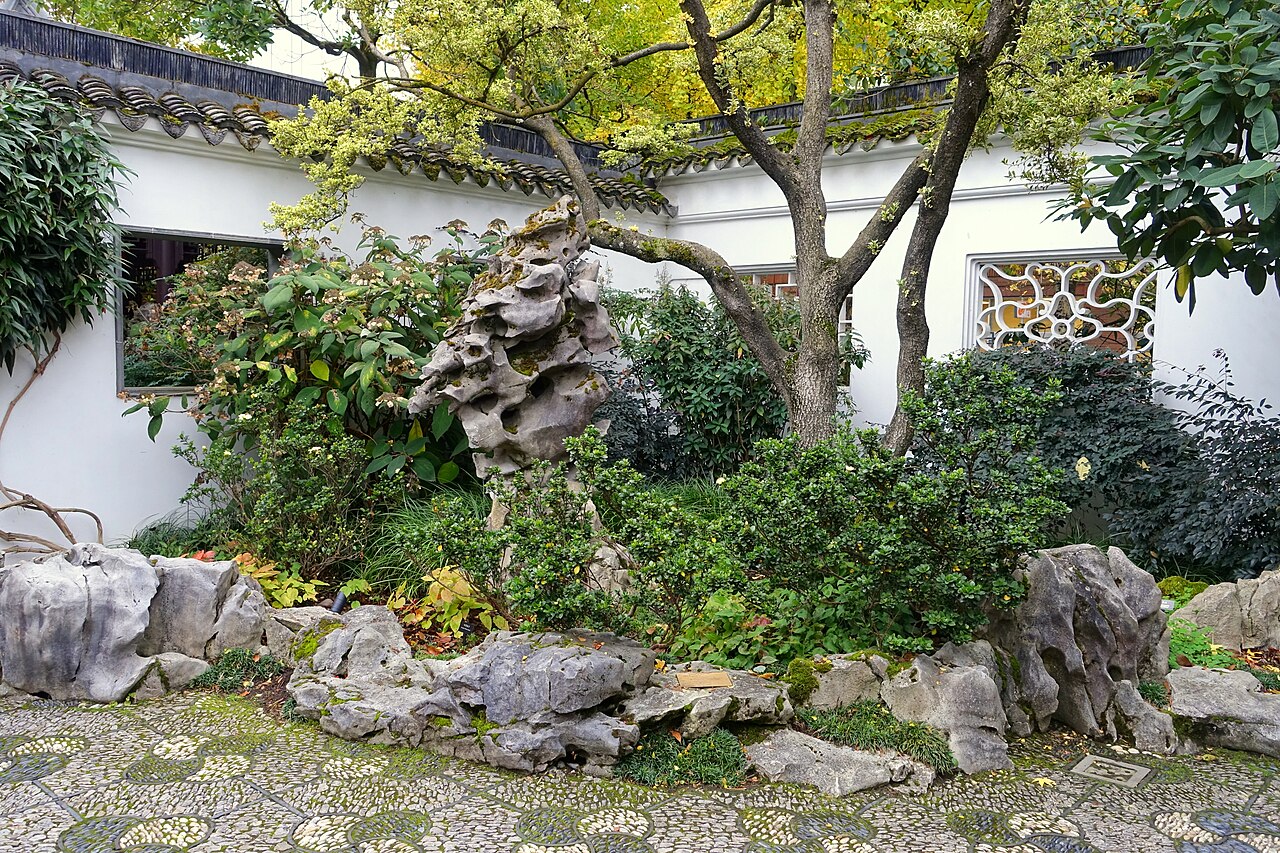
Start with coffee and a pastry in the Pearl District, then browse Powell's. Lunch at The Cart Blocks or the PSU pod. In the afternoon, walk the waterfront or visit Lan Su Chinese Garden for tea in its teahouse. For dinner, head east: share plates from several carts at Hawthorne Asylum or Cartopia, then walk to a neighborhood brewpub or ice cream shop. On a Saturday, add the Portland Saturday Market's food court and the farmers market at Portland State.
Practical tips
Oregon has no sales tax, so menu prices are what you pay before tip. Popular restaurants book up on weekends, so reserve ahead for special dinners, but carts and counters need no planning. Many places close early on weekdays, and some restaurants close one or two days a week, so check hours. Above all, follow your curiosity: in Portland, some of the best meals come from a window in a parking lot.
Eating on a budget
Food carts are the obvious answer, but Portland's happy hours are another local institution, with many restaurants and bars offering discounted small plates and drinks in the late afternoon and sometimes again late at night. Hotel bars join in: Kimpton RiverPlace, for example, runs a daily afternoon happy hour with discounted wines by the glass. Farmers markets are great for picnic supplies, and a picnic in Washington Park or along the waterfront is one of the city's simple pleasures on a dry day.
Dietary needs
Portland is one of the easiest cities in America for vegetarian, vegan and gluten-free eating, with dedicated carts and restaurants and clearly labeled menus almost everywhere. Ask at any cart; most are happy to adapt.