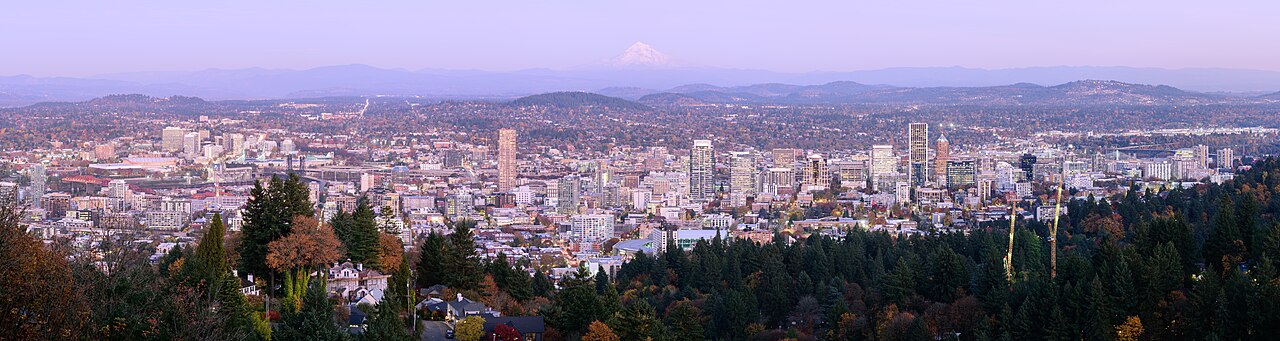
The West Hills rise steeply behind downtown Portland, and within them lies the city's greatest concentration of green attractions. Washington Park, more than a century old, holds the Portland Japanese Garden, the International Rose Test Garden, the Oregon Zoo, the Hoyt Arboretum and other sites, and it connects directly to Forest Park, one of the largest forested urban parks in the country, and to Pittock Mansion, the city's grandest historic house. This guide explains how the pieces fit together and how to plan a day.
Getting there and around
The easiest way into Washington Park is MAX light rail. The Red and Blue lines stop at Washington Park station, more than 250 feet underground and the deepest transit station in North America, beside the Oregon Zoo. From there, the free Explore Washington Park shuttle loops through the park, stopping at the zoo, the Hoyt Arboretum, the Japanese Garden and the Rose Garden. Parking in Washington Park is paid at all lots and fills quickly on sunny weekends, so transit is the smart choice. Fit walkers can also climb into the park from Goose Hollow or Northwest Portland, and the Wildwood Trail threads through the park's forests.
Portland Japanese Garden
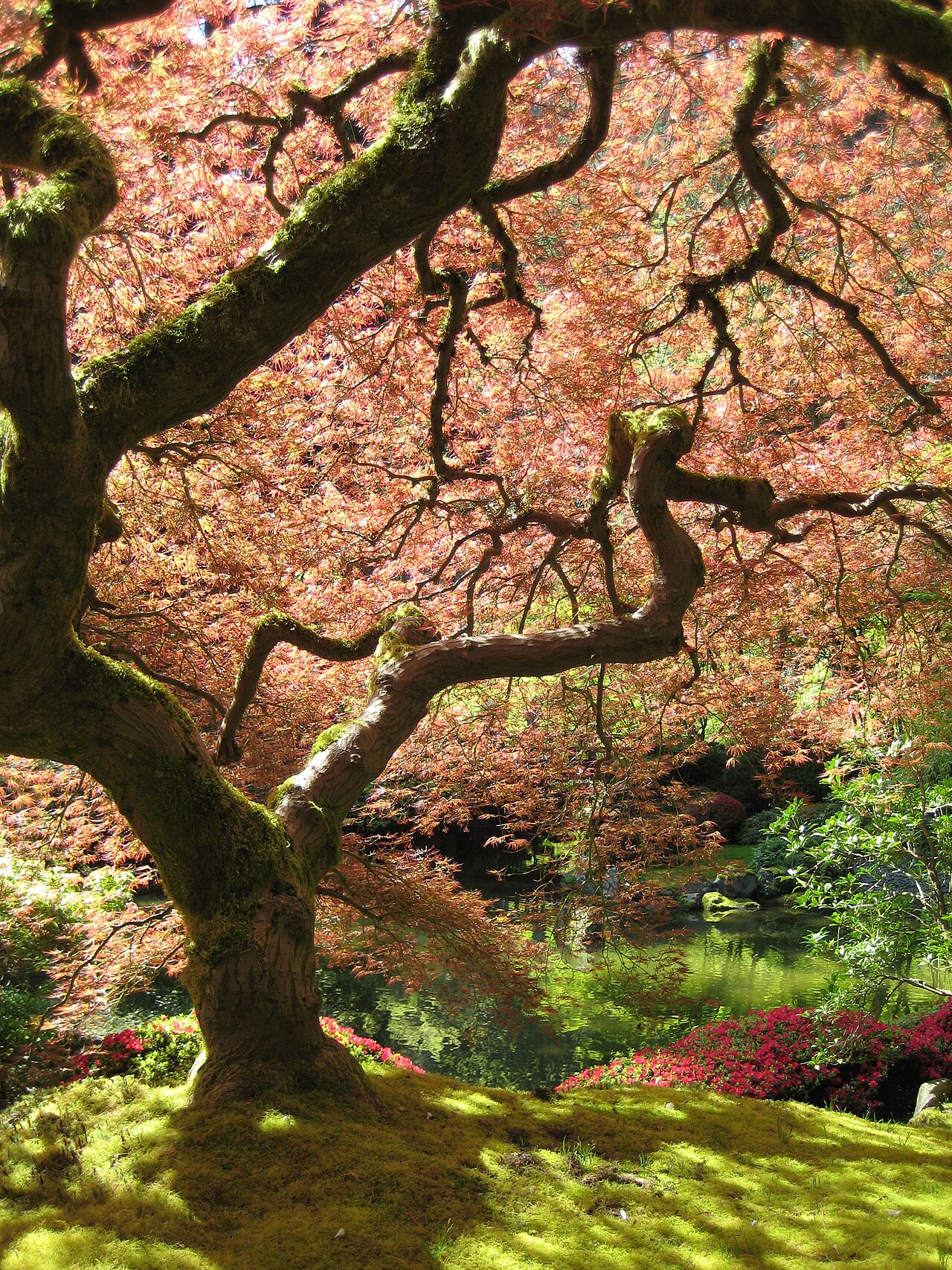
For many visitors, this is the highlight of Portland. Founded in 1963, it covers twelve acres of hillside with classic garden styles — the Flat Garden, the Strolling Pond Garden, the Tea Garden, the Natural Garden and the Sand and Stone Garden — and a Cultural Village designed by Kengo Kuma, opened in 2017, with a gallery, café and library. Entry is by timed ticket, best booked online up to ten days ahead; the garden is closed on Tuesdays and keeps shorter hours in winter. Free guided tours are included with admission. Allow ninety minutes to two hours.
International Rose Test Garden
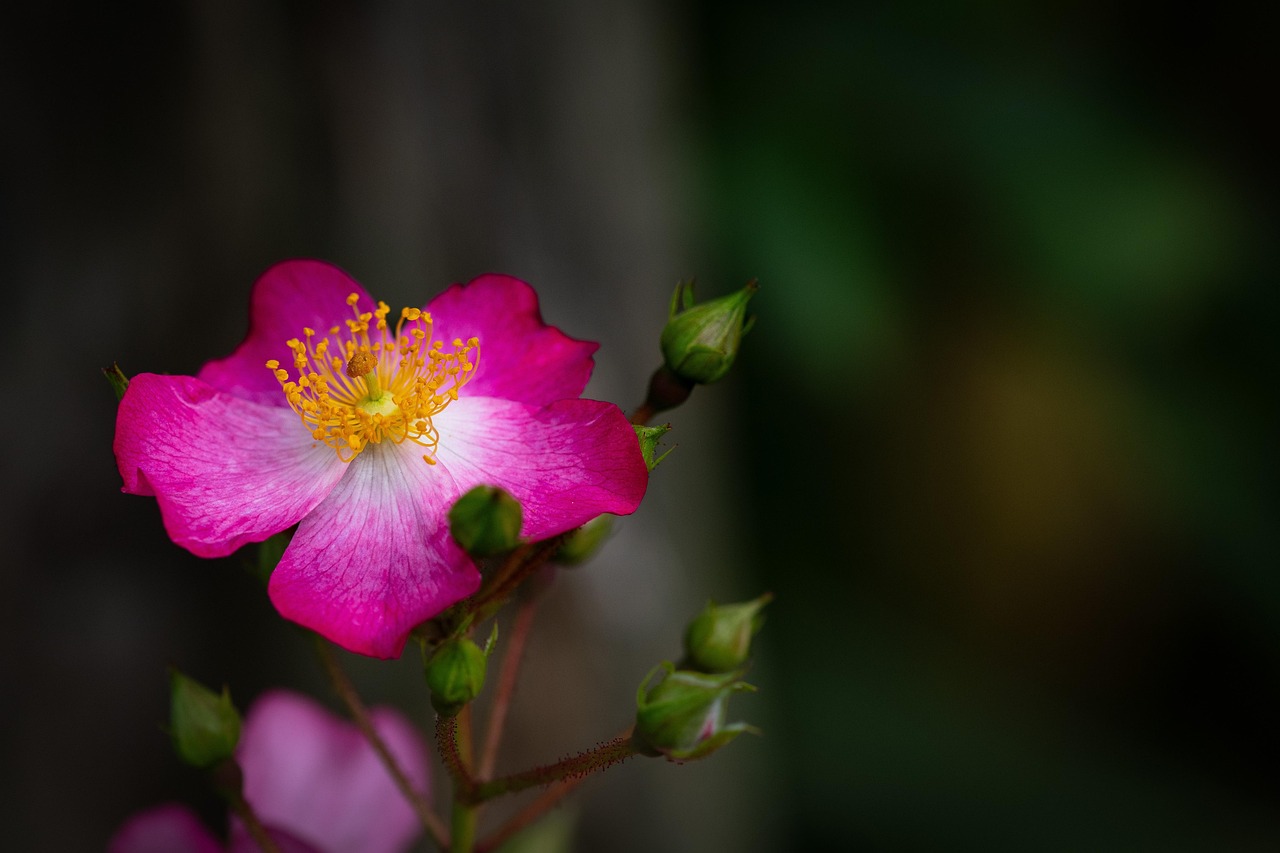
Just below the Japanese Garden, the free Rose Test Garden displays more than 10,000 rose bushes in hundreds of varieties on terraces overlooking the city. Founded in 1917, it is the oldest continuously operating public rose test garden in the United States. Roses bloom from late May into October, peaking in late May and June. Allow forty-five minutes to an hour, and look for Mount Hood on the horizon on clear days.
Oregon Zoo
At the park's western edge beside the MAX station, the Oregon Zoo is known for its Asian elephants in the large Elephant Lands habitat, and for newer habitats including Polar Passage, Primate Forest and Rhino Ridge. Daytime admission is by timed ticket bought online. From late November to early January, ZooLights fills the grounds with holiday lights. Allow three to four hours.
Hoyt Arboretum and the World Forestry Center
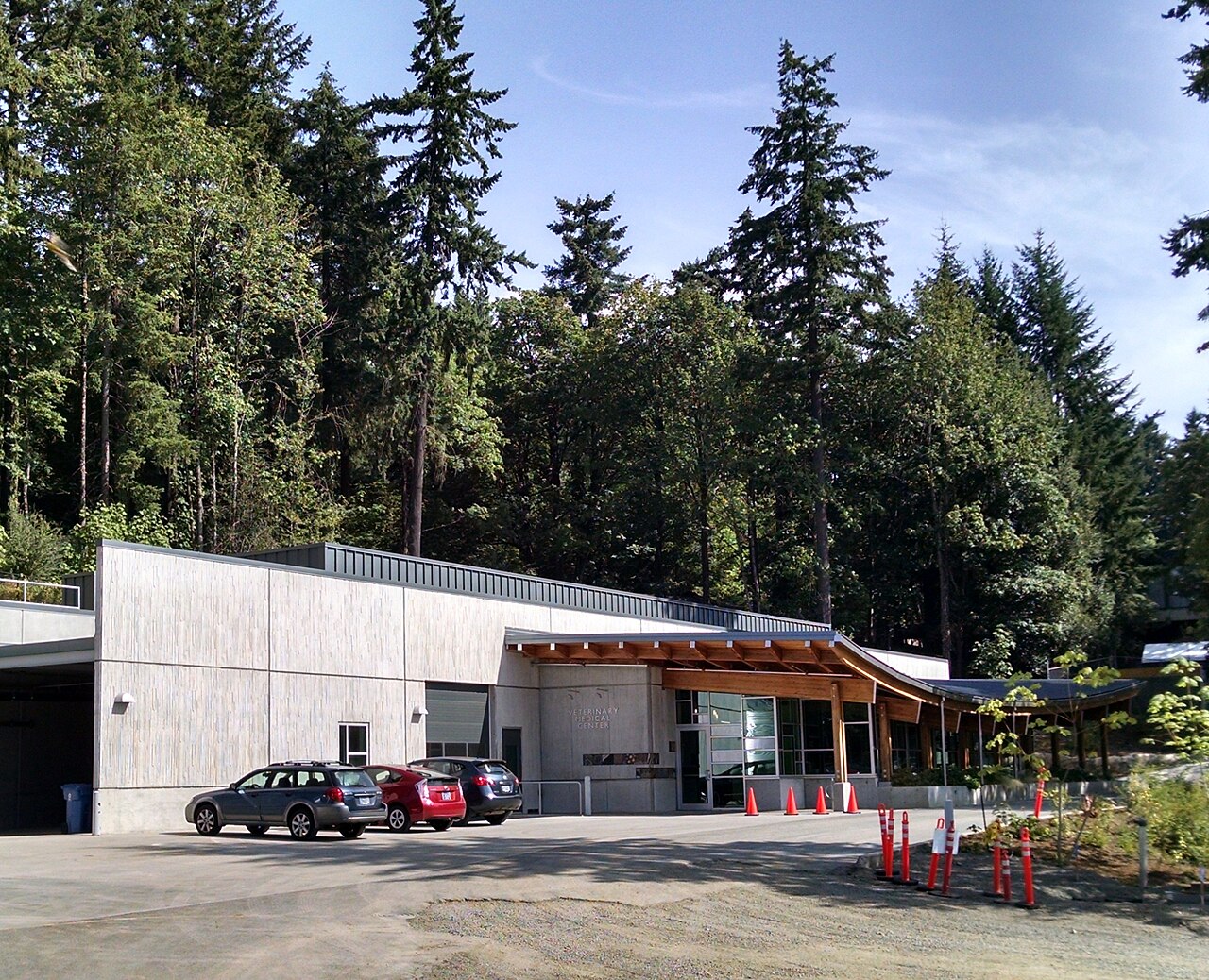
The Hoyt Arboretum covers nearly 190 acres of ridge-top forest with trees from around the world and miles of well-marked, mostly short trails — a peaceful, free alternative to the busier gardens. The World Forestry Center's Discovery Museum, near the zoo, offers exhibits on Pacific Northwest forests that suit families.
Forest Park and the Wildwood Trail
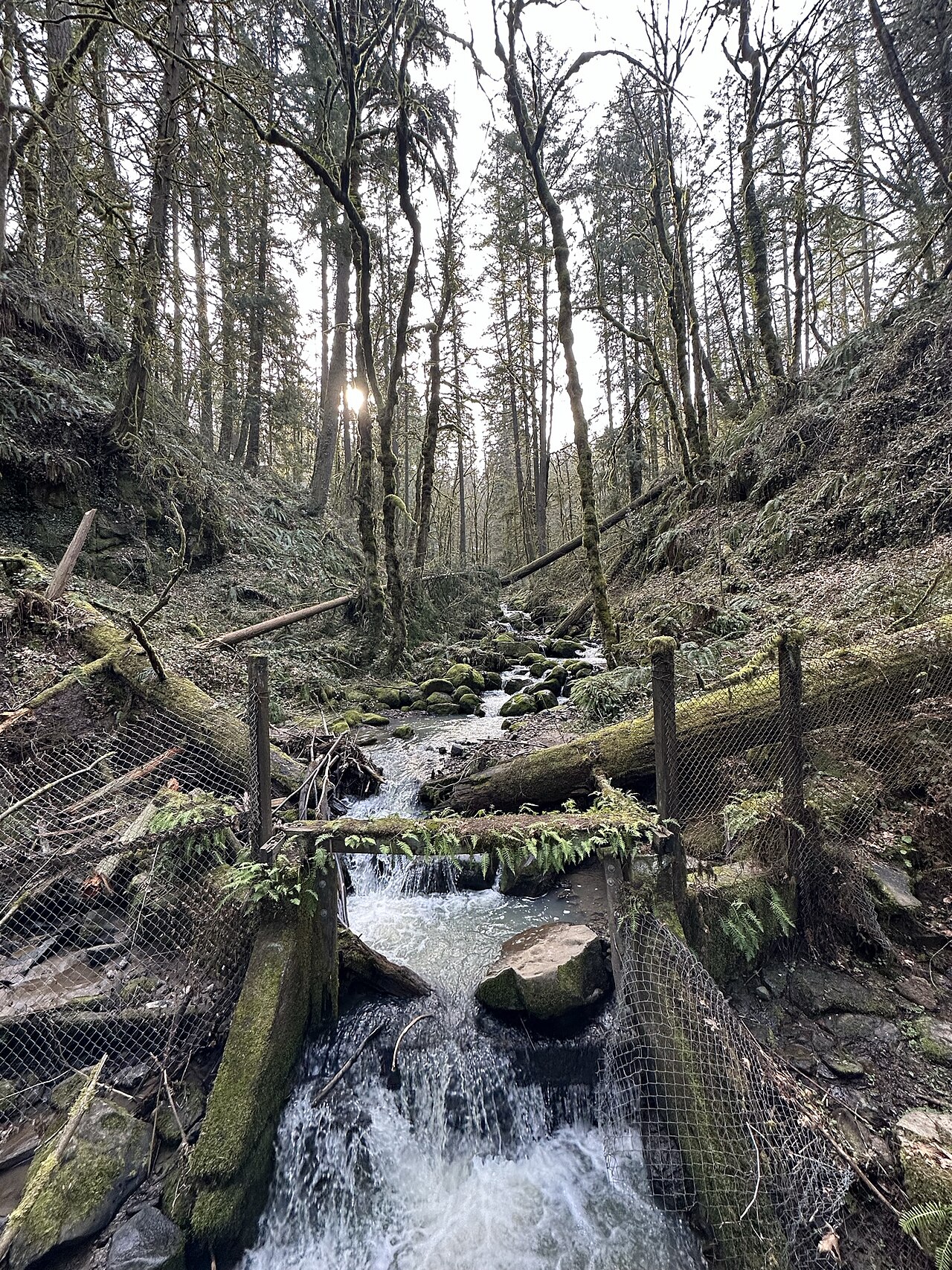
North of Washington Park, Forest Park covers about 5,200 acres with more than 80 miles of trails. The 30-mile Wildwood Trail begins near Washington Park and runs north through the forest, passing close to Pittock Mansion. The classic visitor hike starts at the Lower Macleay trailhead in Northwest Portland and follows Balch Creek past the moss-covered Stone House, nicknamed the Witch's Castle, before climbing to Pittock Mansion.
Pittock Mansion
Built in 1914 for Henry Pittock, the publisher of The Oregonian, the French Renaissance-style mansion sits about 1,000 feet above the city with a panorama that on clear days takes in Mount Hood, Mount St. Helens and Mount Adams. The grounds and viewpoint are free; the house tour is ticketed. Allow an hour for the house and time for the view.
Three ways to plan the day
The garden lover's day: arrive at the Japanese Garden at opening, walk down to the Rose Garden, then spend the afternoon on the quiet trails of the Hoyt Arboretum before returning by MAX. The family day: start at the Oregon Zoo at opening, have lunch, then take the shuttle to the Rose Garden for open space and flowers, and finish at the Japanese Garden if energy allows. The hiker's day: walk from Lower Macleay past the Witch's Castle to Pittock Mansion, tour the house and enjoy the view, then continue south on the Wildwood Trail through the forest to the Hoyt Arboretum and down to the Japanese and Rose gardens, returning by MAX from Washington Park station — a long but rewarding day on foot.
Practical tips
Book Japanese Garden and zoo tickets online in advance. Wear comfortable shoes — the West Hills are steep. Bring layers and a rain jacket outside summer, and water in summer. Food is available at the zoo, the Japanese Garden's café and a few spots in the park; otherwise, eat on NW 23rd Avenue or downtown. Check the Explore Washington Park website for shuttle schedules and the city's site for trail closures after storms.
Accessibility
Much of Washington Park is hilly, but there are good options for visitors with limited mobility. The Rose Garden's main terraces are reachable with some slopes, and accessible parking is available nearby. At the Japanese Garden, the Flat Garden, Pavilion Gallery and Cultural Village are the most accessible areas, and the garden offers a discount for visitors who cannot see the whole site. The zoo is fully paved, with wheelchairs and strollers for rent, though its paths are hilly. In Forest Park, the short paved path at the Lower Macleay trailhead is the park's only ADA-accessible segment. The free shuttle helps link the attractions without long uphill walks.
Where to stay for a West Hills day
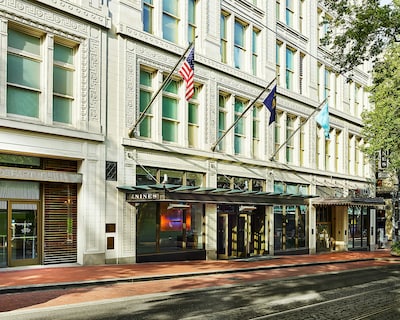
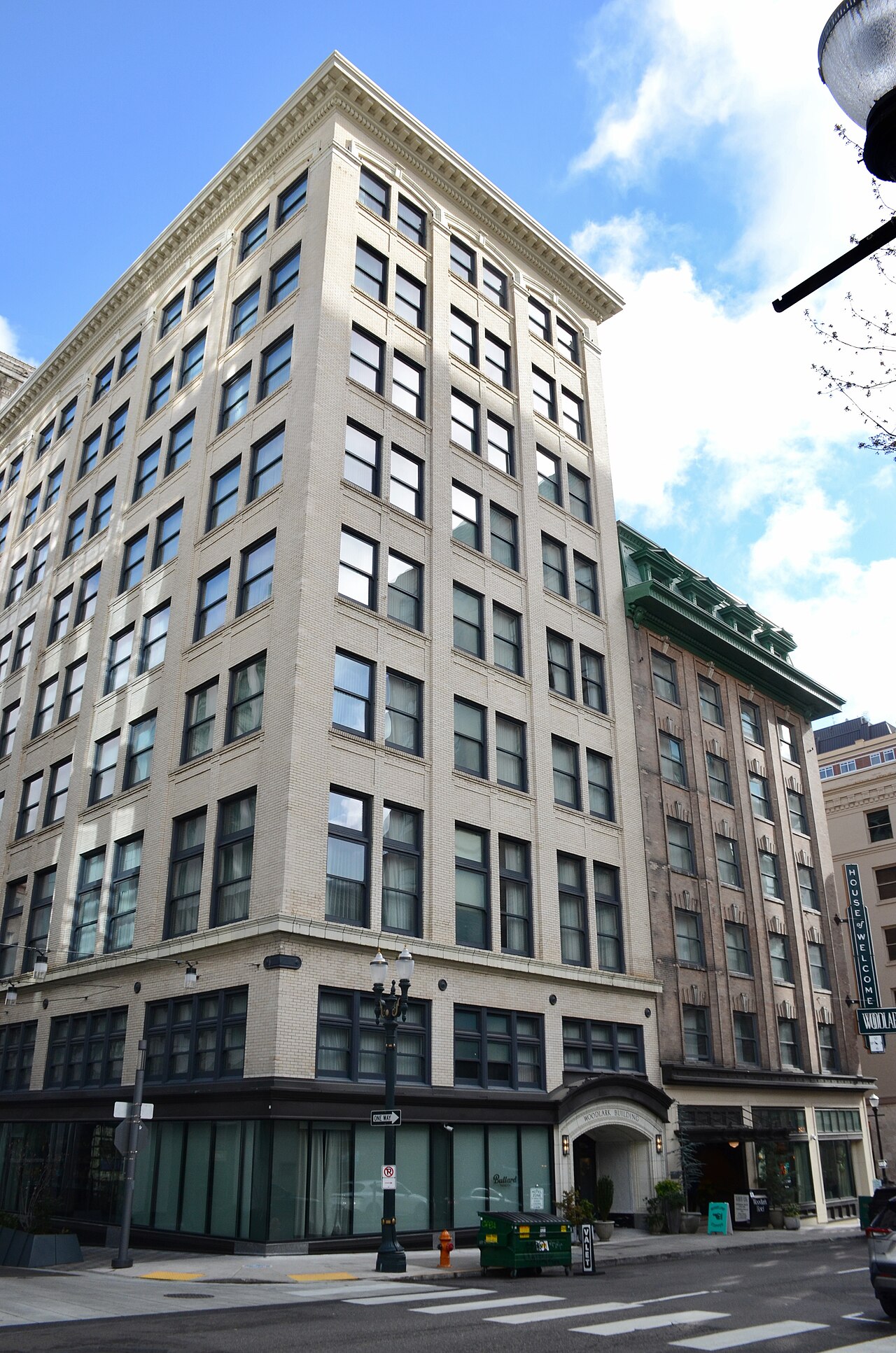
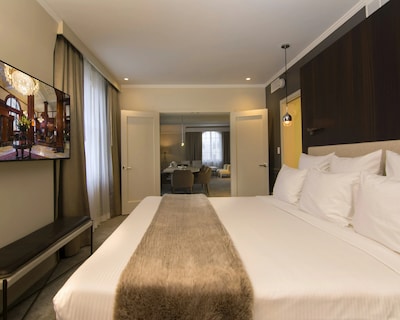
Downtown hotels near MAX stops, such as The Nines and The Benson, make the trip into Washington Park a quick ride, and Woodlark in the West End is a short walk from the Goose Hollow approach.