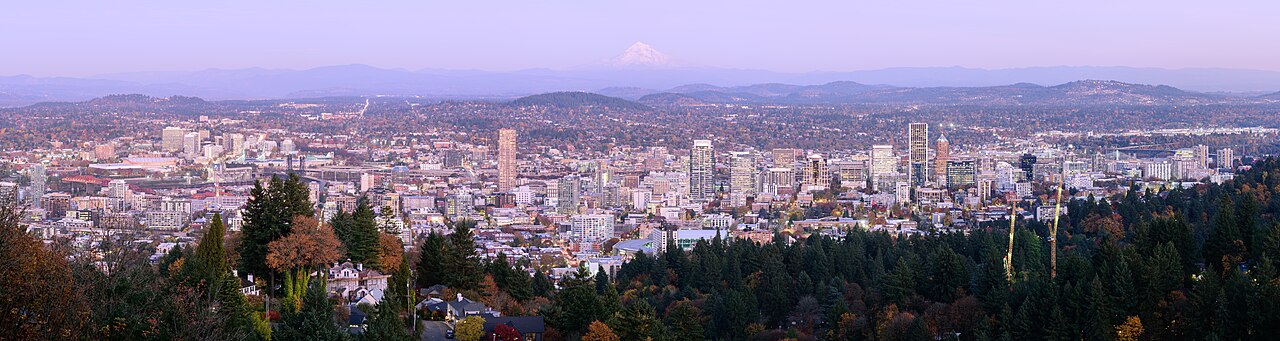
Portland's weather has a reputation that is both deserved and exaggerated. Yes, it rains a lot from autumn through spring, but the rain is usually light drizzle rather than storms, and summers are among the most pleasant in America — dry, sunny and warm without the humidity of the East. Every season has its highlights, and the best time to visit depends on what you want to do. This guide explains the seasons and the events worth planning around.
Summer: the sweet spot, roughly July to September
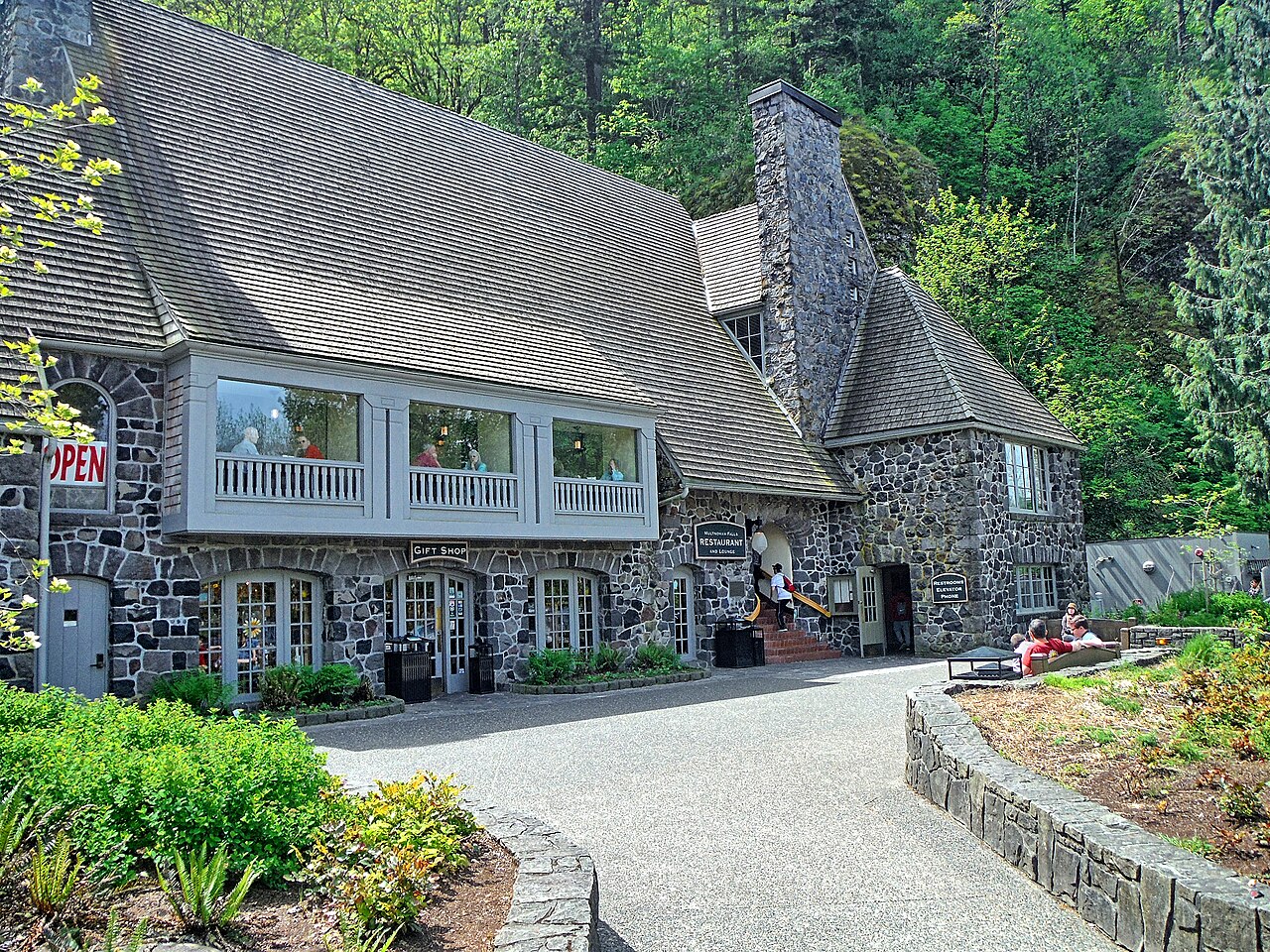
Summer is Portland's peak season for good reason. Days are long, dry and sunny, the city lives outdoors, and food cart pods, rooftop bars and riverside paths are at their best. Heat waves can push temperatures high for a few days, and wildfire smoke from regional fires occasionally affects air quality in late summer, so check forecasts. Summer is also the season for outdoor festivals in Tom McCall Waterfront Park, hiking in Forest Park and the Columbia River Gorge, and day trips to Mount Hood and the coast. Book hotels early, especially on weekends. If you plan to drive to Multnomah Falls, remember the timed use permit required for the I-84 parking lot from late May to early September — in 2026, May 22 to September 7.
Late spring and early summer: roses and the Rose Festival
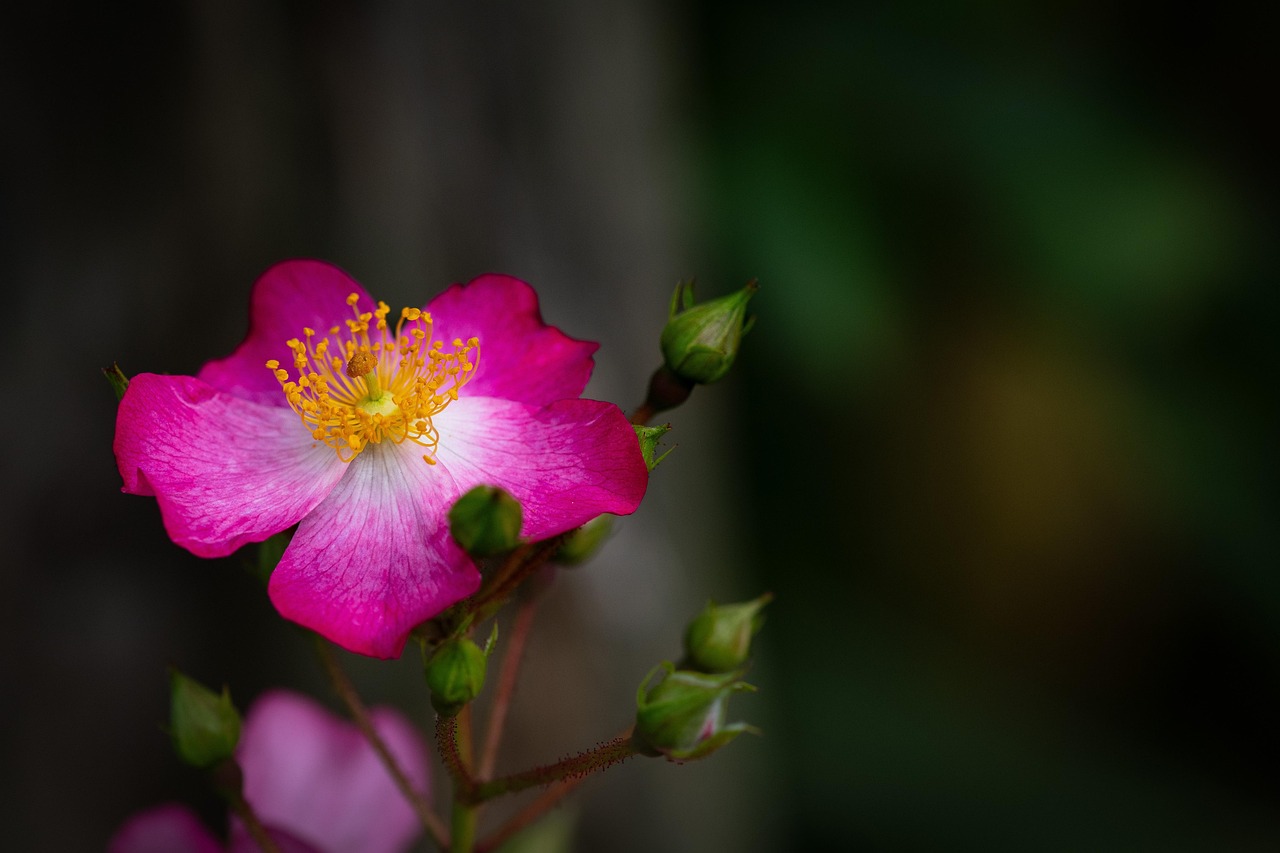
Late May and June are the classic City of Roses season. The International Rose Test Garden, with more than 10,000 rose bushes, peaks in late May and June, and the Portland Rose Festival, a citywide celebration with parades, waterfront events and fleet week, fills the city with visitors. Weather in June can be changeable, with sunny days mixed with showers, but the gardens are glorious. Hotel prices rise during festival weekends, so book ahead.
Autumn: color and harvest, roughly late September to November
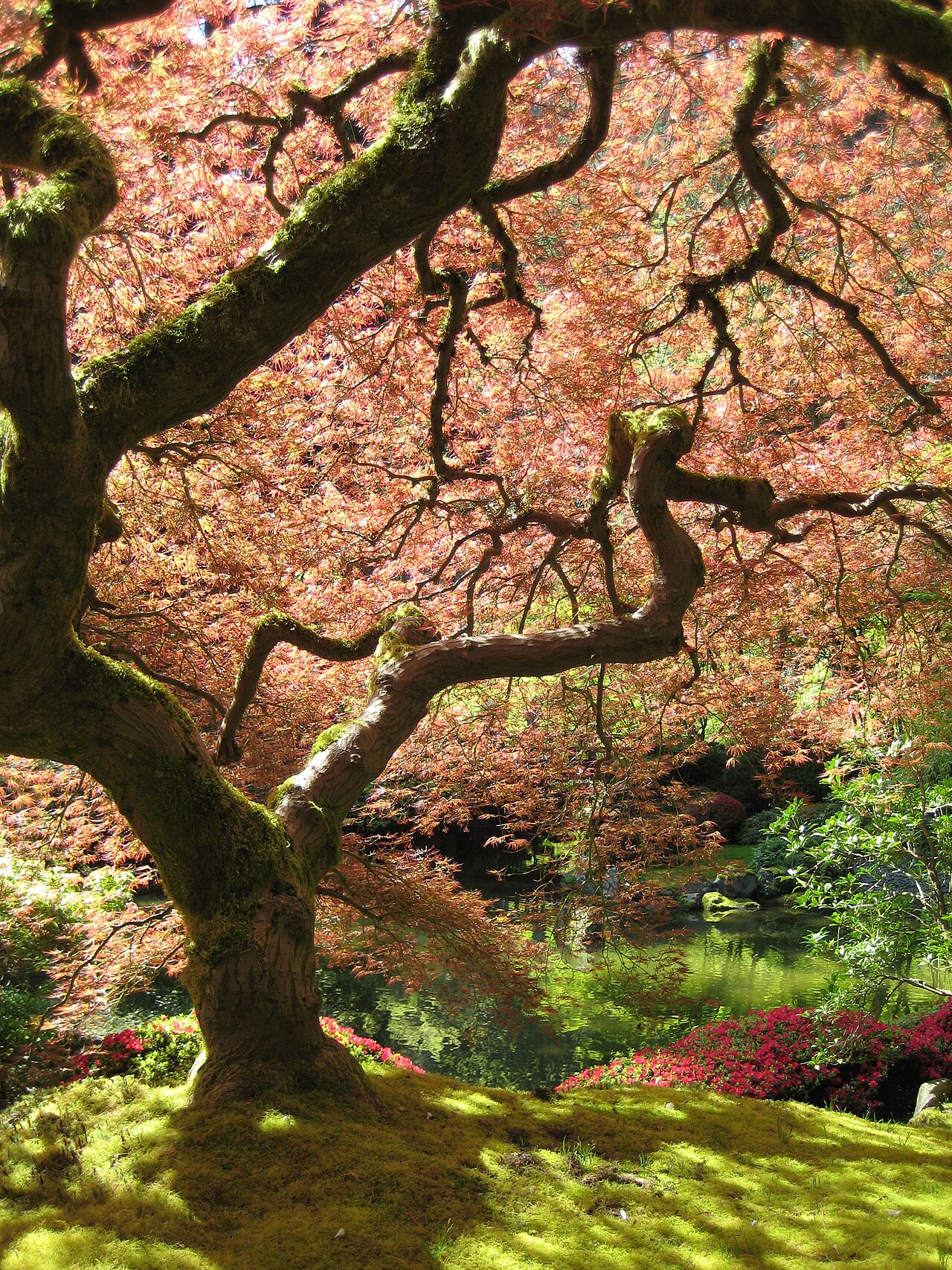
Early autumn often brings warm, dry days that feel like an extension of summer, and it is a wonderful time to visit. From mid-October into November, the maples at the Portland Japanese Garden turn brilliant red and gold, one of the city's most beautiful sights, and timed tickets sell quickly. The Willamette Valley wine harvest, apple and pear season and the return of the rains bring cozy evenings in brewpubs and restaurants. Waterfalls in the Gorge begin to swell with the rains. By November, gray, wet days are the norm.
Winter: rain, quiet and holiday lights, roughly December to February
Winter is Portland's wettest and darkest season, with frequent drizzle, short days and cool temperatures; snow is uncommon in the city but occasional ice storms can disrupt travel. In exchange, hotel rates drop, attractions are uncrowded and indoor Portland shines: Powell's City of Books, the Portland Art Museum, OMSI, Lan Su Chinese Garden and the city's coffee shops and brewpubs are perfect rainy-day refuges. Holiday highlights include ZooLights at the Oregon Zoo, which in 2026 runs from November 20 to January 3, and the holiday decorations at Pittock Mansion. Multnomah Falls is at its fullest, and occasionally freezes in cold snaps. Note that some attractions, such as Pittock Mansion, close for maintenance days in January, and the Portland Saturday Market ends its season just before Christmas.
Spring: blossoms and changeable weather, roughly March to May
Spring in Portland is green and blossoming, with cherry trees along the waterfront at the Japanese American Historical Plaza, magnolias and camellias at Lan Su Chinese Garden, and azaleas and irises at the Japanese Garden. The weather is unpredictable, swinging between sunshine and showers, sometimes in the same hour, so pack layers. The Portland Saturday Market reopens in March, and waterfalls in the Gorge are spectacular with snowmelt.
Weekly and seasonal rhythms
Several attractions have closed days to plan around: the Portland Japanese Garden is closed on Tuesdays, the Portland Art Museum on Mondays, OMSI on Mondays and the Aerial Tram on Sundays and holidays. The Saturday Market runs only on Saturdays from March to mid-December. The Portland Art Museum offers free admission on the first Thursday of each month. Check each attraction's official hours before your trip, since schedules vary by season.
Budget and crowds
Summer weekends and Rose Festival dates are the most expensive and crowded times for hotels. Late autumn, winter and early spring offer the best prices, with fewer crowds at major attractions. If you want sunshine with fewer visitors, early September is often ideal. Oregon has no sales tax, which helps shopping budgets year-round.
The bottom line
For sunshine and outdoor adventures, visit from July to September. For roses, visit in late May or June. For fall color and harvest, visit in October. For low prices and cozy indoor Portland, visit in winter. Whenever you come, pack a waterproof layer — Portlanders rarely carry umbrellas, but a good hood is essential.
What to pack by season
Summer: light layers, sunscreen, sunglasses, a hat and a light jacket for cool evenings, plus hiking shoes for the Gorge and Forest Park. Spring and autumn: layers, a waterproof shell with a hood and shoes that can handle wet pavement. Winter: a warm waterproof jacket, waterproof shoes, and an umbrella only if you insist — locals will spot you. Whatever the season, Portland dresses casually, so comfortable clothes work everywhere, from food carts to fine dining.
Day trips by season
Summer is best for Mount Hood hiking and the coast; autumn for the Willamette Valley wine country and the Gorge's color; winter for snow at Mount Hood and full waterfalls in the Gorge; and spring for wildflowers in the Gorge and blossoms in the valley.