Portland is one of the easiest American cities to enjoy on a first visit. It is compact, its best sights are spread across a handful of walkable districts linked by light rail and streetcar, and its personality — green, bookish, food-obsessed and a little eccentric — reveals itself quickly. It also rewards a bit of preparation: a few attractions need timed tickets, the city's famous waterfall has summer permit rules, and the weather shapes almost every plan. This guide covers what a first-timer needs to know.
How the city is laid out
The Willamette River divides Portland into west and east, and Burnside Street divides north from south, creating the quadrants locals use for every address: Southwest, Northwest, Southeast, Northeast and North. The west side holds downtown, the Pearl District, Old Town Chinatown and, rising behind them, the West Hills with Washington Park and Forest Park. The east side is a patchwork of neighborhoods — Hawthorne, Division, Alberta, Mississippi, the Central Eastside — where much of the city's food and drink scene lives. A first trip usually splits time between the west side's headline sights and an evening or two exploring the east.
Washington Park is the heart of a first visit
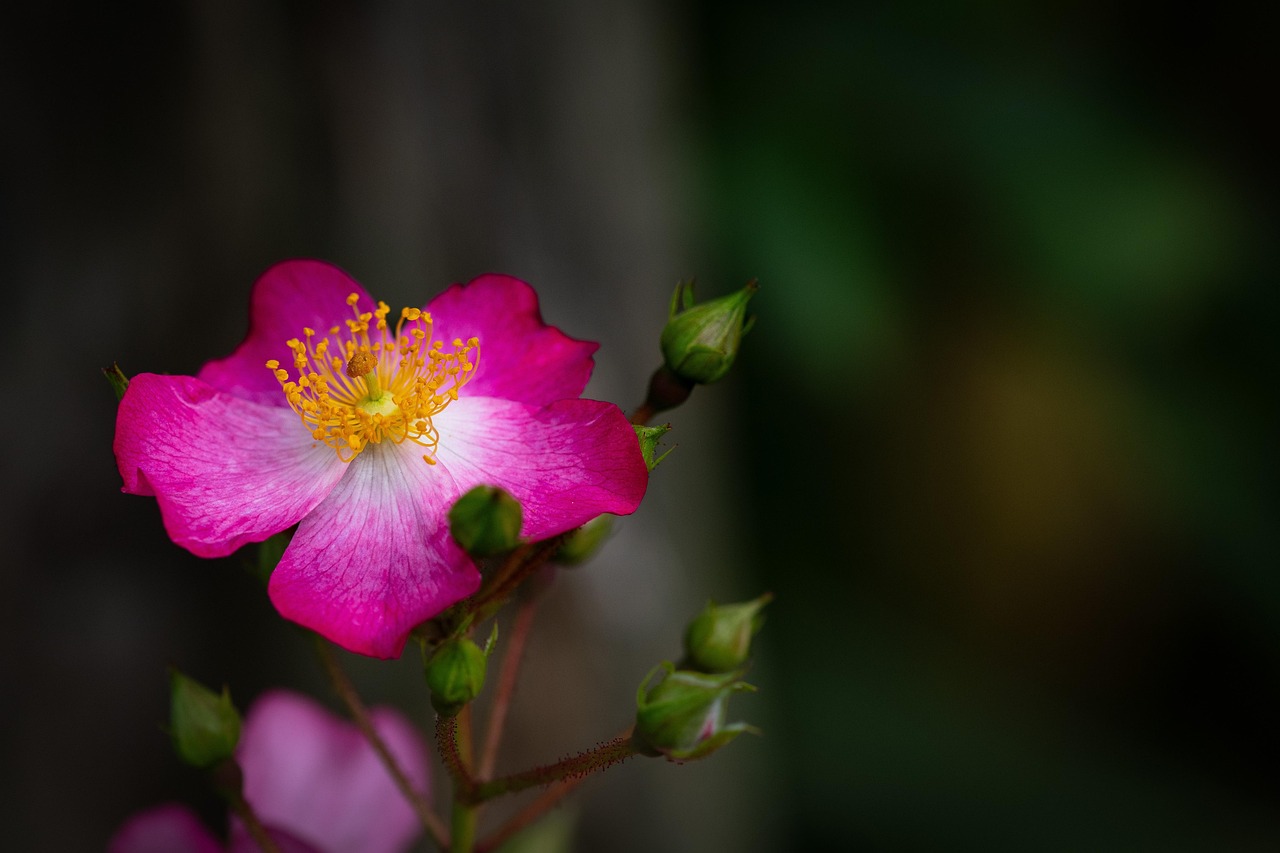
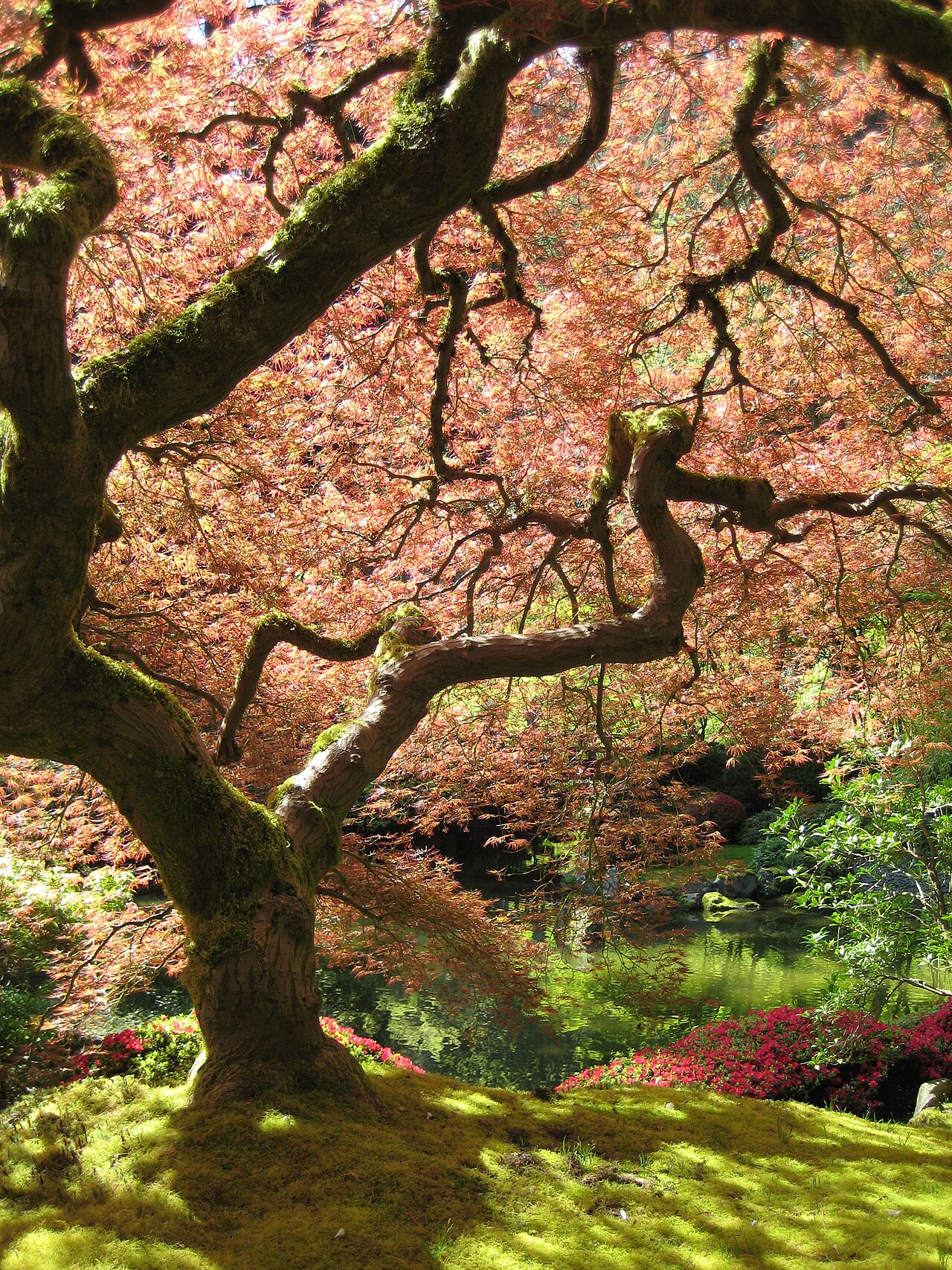
Four of Portland's most popular attractions sit together in Washington Park, a large wooded park in the West Hills: the Portland Japanese Garden, the International Rose Test Garden, the Oregon Zoo and the Hoyt Arboretum. Take the MAX Red or Blue Line to Washington Park station, the deepest transit station in North America, and ride the free Explore Washington Park shuttle between attractions. Parking in the park is paid and fills fast, so transit is the smart choice. The Japanese Garden uses timed tickets and is closed on Tuesdays; book ahead. The Rose Garden is free, and the roses bloom from late May into October.
What to book ahead
Portland requires less advance planning than many cities, but a few things deserve attention. Reserve a timed entry at the Portland Japanese Garden, especially on weekends and in autumn. Buy Oregon Zoo tickets online, because daytime admission is by timed reservation. If you plan to drive to Multnomah Falls between late May and early September, book a Recreation.gov timed use permit for the I-84 parking lot, or use the Columbia Gorge Express bus or a tour instead. Check the Portland Art Museum's calendar for Free First Thursday and special exhibitions, and Powell's events calendar for author readings.
Getting around
You do not need a car for most of a Portland trip. MAX light rail runs from the airport to downtown on the Red Line, and connects downtown to Washington Park, the Lloyd District and beyond. The Portland Streetcar loops through the Pearl District, downtown, South Waterfront and the Central Eastside, and the city's bike-share system and bike-friendly streets make cycling easy. Rent a car only for day trips to the Columbia River Gorge, Mount Hood or the coast. Downtown parking is expensive, and many hotels charge for it.
The rain question
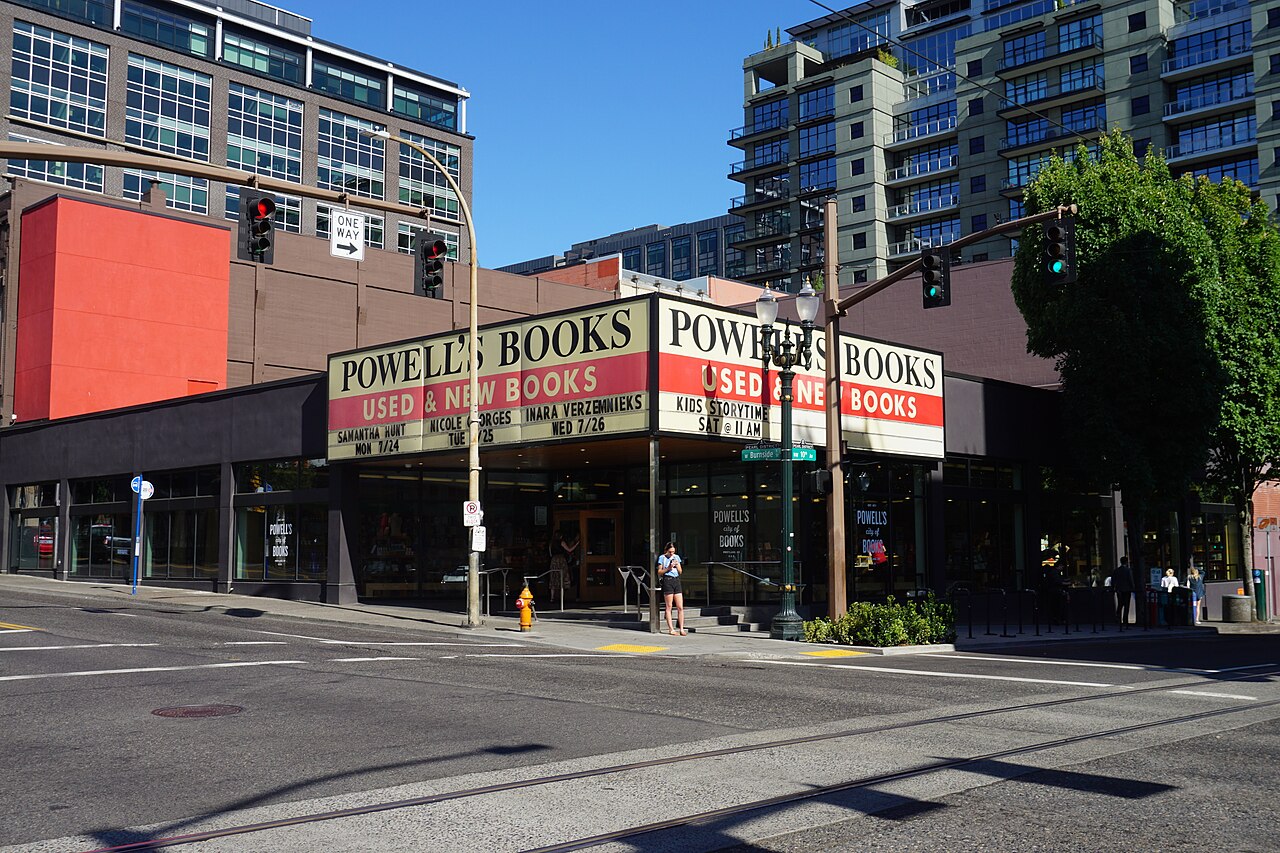
Portland's reputation for rain is earned from roughly October through May, when gray skies and drizzle are common, but heavy downpours are less frequent than people expect, and summers are dry, warm and sunny. Pack layers and a light waterproof jacket in any season, and plan a few indoor anchors — Powell's City of Books, the Portland Art Museum, OMSI, Lan Su Chinese Garden — for wet days. Locals rarely carry umbrellas; a hood is the Portland way.
What to eat
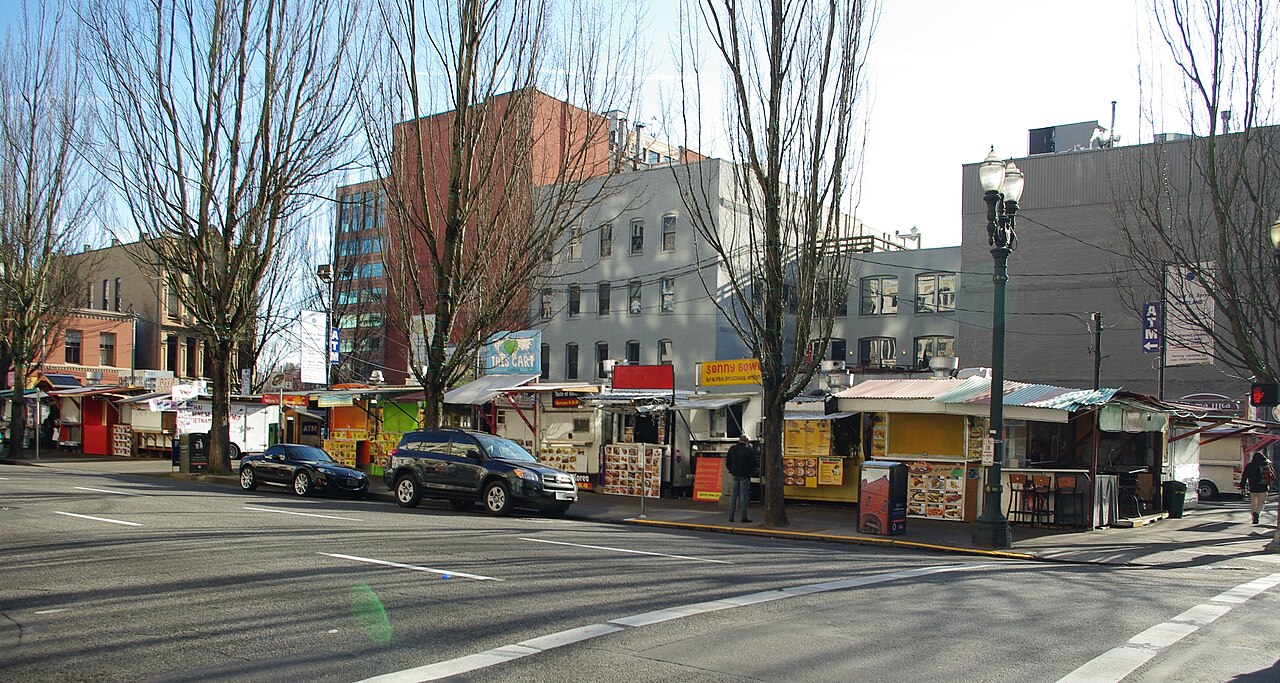
Portland's food cart pods are the city's signature eating experience — more than 500 carts clustered in lots around town. Downtown, try The Cart Blocks near the North Park Blocks; on the east side, head to Cartopia or Hawthorne Asylum on Hawthorne Boulevard. Beyond carts, Portland is a capital of coffee roasting, craft beer, doughnuts and farm-to-table cooking, and Oregon has no sales tax, which makes shopping and dining a little cheaper than in neighboring states.
Neighborhood realities
Like many American cities, Portland's downtown and Old Town have visible street homelessness and some empty storefronts. Most visitors find the city welcoming and the main sights pleasant, but use normal city awareness, especially at night in Old Town Chinatown, and use rideshares late if you prefer. The east-side neighborhoods and Northwest Portland feel more residential and relaxed.
Do not miss the Gorge
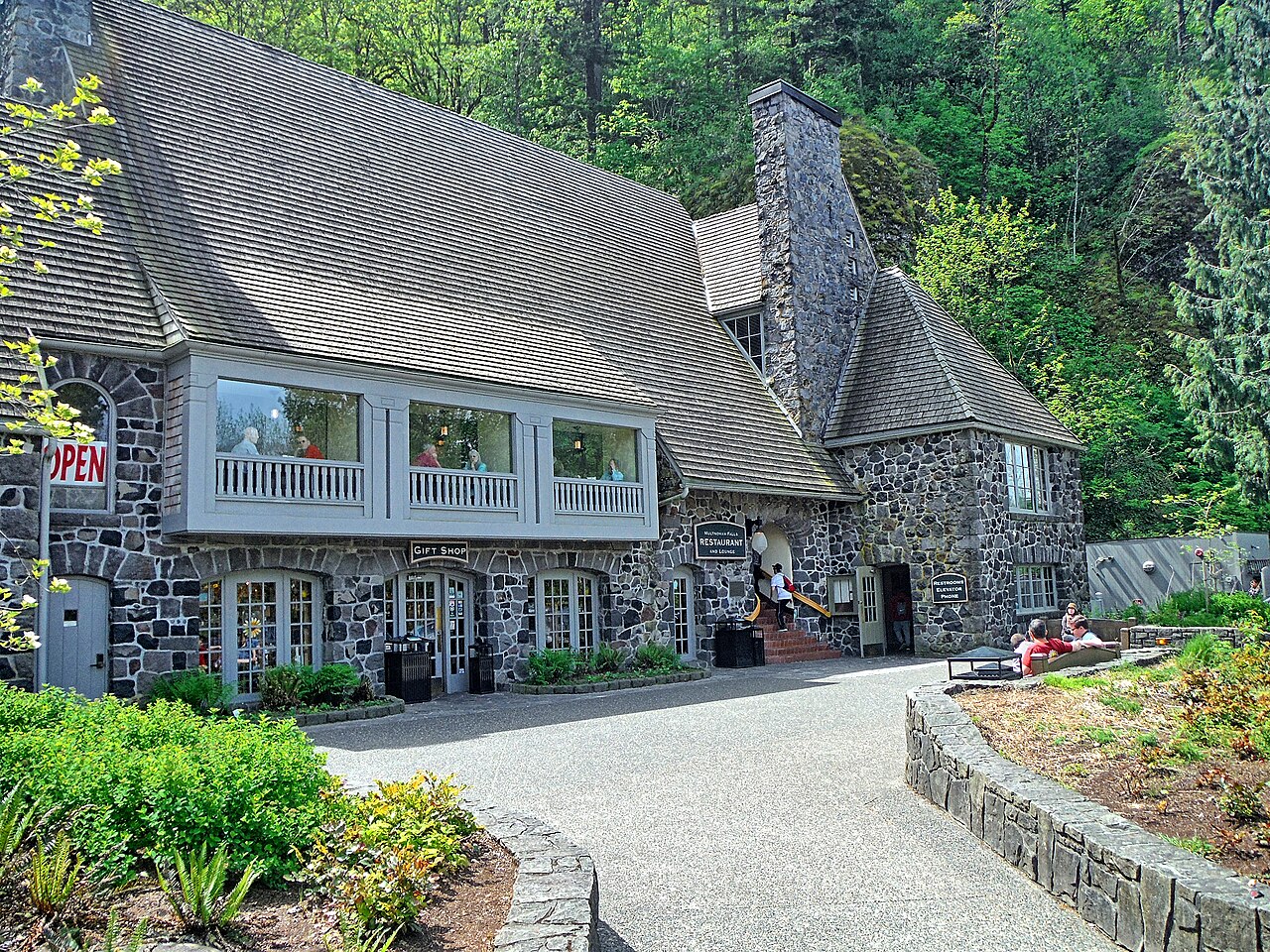
Multnomah Falls, a 620-foot waterfall about thirty miles east of downtown, is Oregon's most visited natural site and an easy half-day trip. Drive the Historic Columbia River Highway past Vista House and several smaller waterfalls, or take the bus or a tour. Remember the summer permit rule for the I-84 parking lot, and check Forest Service alerts before you go.
A simple first visit
Day one: Washington Park — the Japanese Garden at opening, the Rose Garden, then lunch on NW 23rd Avenue and an afternoon at Powell's. Day two: Multnomah Falls and the Gorge in the morning, then food carts and a stroll on Hawthorne Boulevard in the evening. Day three: the Portland Art Museum or Lan Su, the Saturday Market if it is a Saturday, and sunset from Pittock Mansion or the Aerial Tram. That covers the essentials, and leaves you plenty of reasons to come back.
Money-saving tips
Many of Portland's best experiences are free: the International Rose Test Garden, Forest Park, the Saturday Market, browsing Powell's, walking the waterfront and the Eastbank Esplanade, and Free First Thursday at the Portland Art Museum. Children and teens 17 and under always enter the art museum free. Food carts make eating out affordable, and Oregon's lack of sales tax helps on everything from books to outdoor gear. Use MAX from the airport rather than a taxi, and skip the rental car for the city portion of your trip; downtown hotel parking adds up quickly. If you do drive to the Gorge, a free in-person Multnomah Falls permit is available in limited numbers in Troutdale and Cascade Locks during permit season.
What to pack
Comfortable walking shoes that can handle wet pavement and muddy trails, a waterproof shell with a hood, layers for changeable weather, and a reusable water bottle. Portland dresses casually almost everywhere, even at upscale restaurants, so leave the formalwear at home.