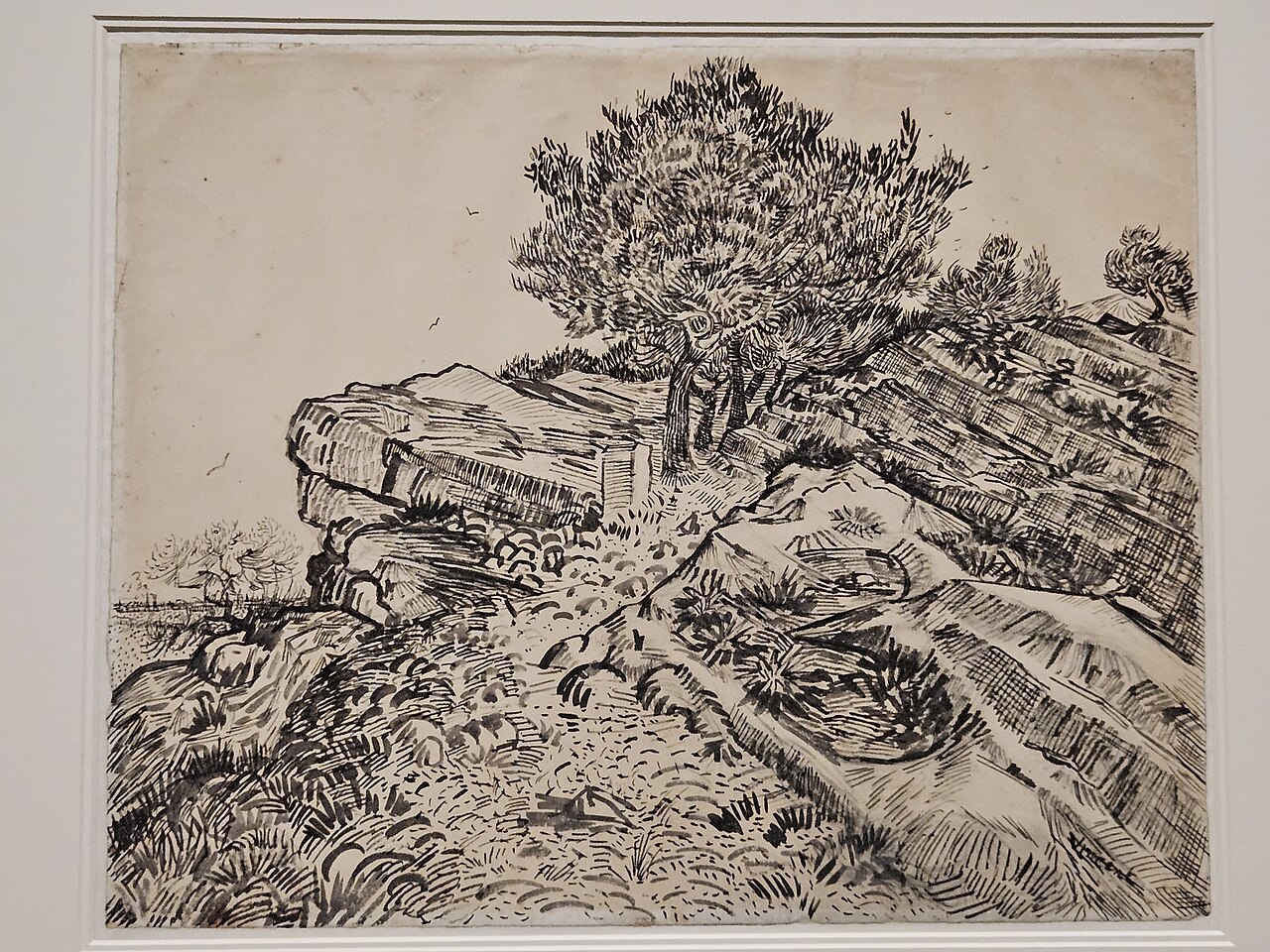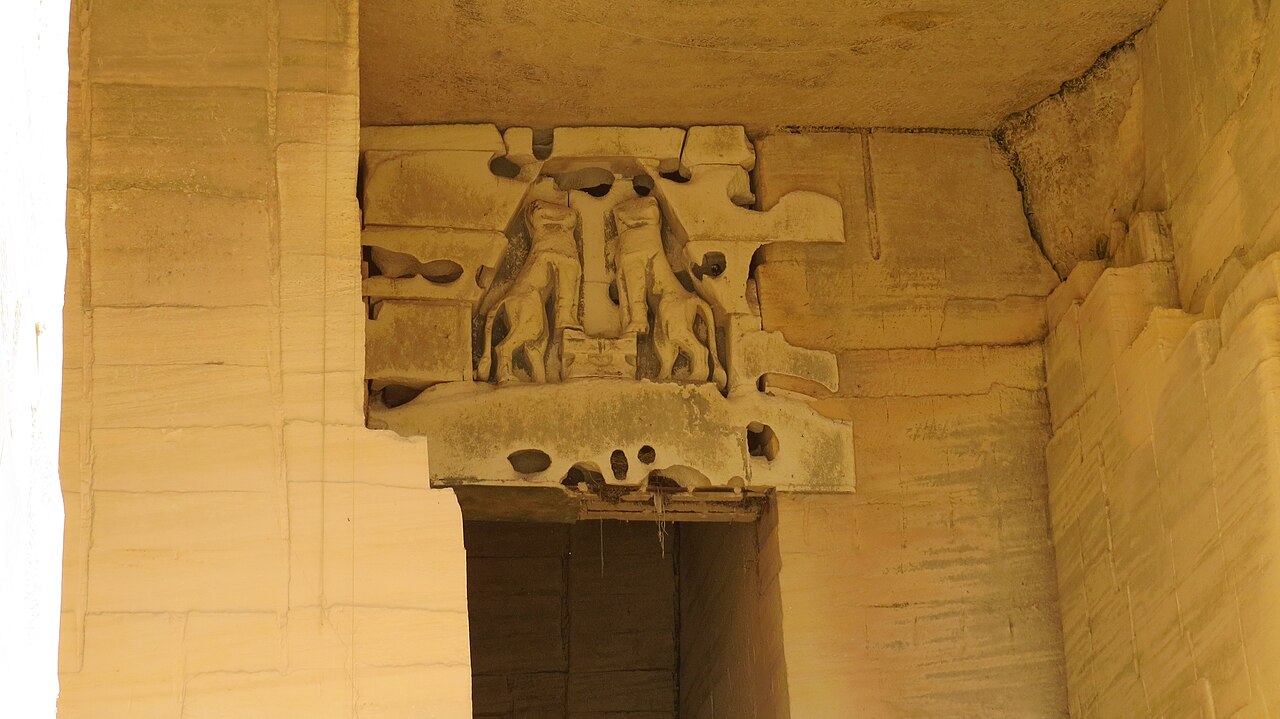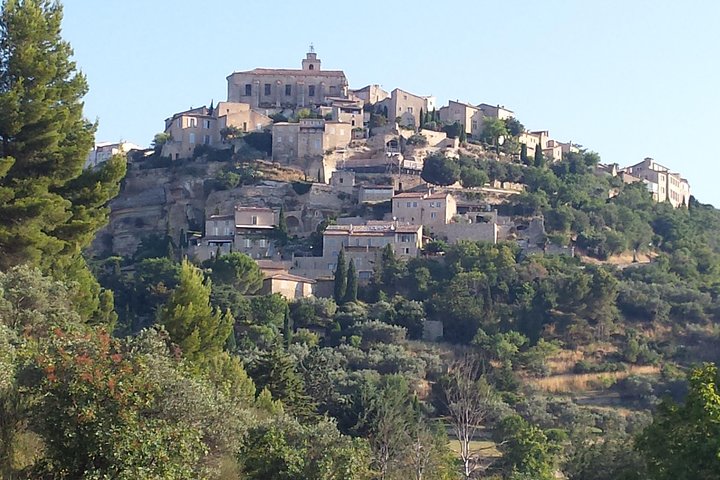
Les Baux-de-Provence is one of the most dramatic villages in France, a ruined fortress town built along a narrow rocky ridge in the Alpilles hills. In the Middle Ages the lords of Baux were powerful enough to rival the counts of Provence, and their castle and the town below it grew into a seat of troubadours and courtly culture before the stronghold was dismantled in the seventeenth century. What remains is a mix of carved-rock rooms, towers, chapels and open ruins, spread across a plateau with views over the plain toward the Camargue on clear days. The château site is the high point of any visit, but the village itself, with its stone houses, galleries, shops and small museums, deserves time as well. The name of the mineral bauxite comes from Les Baux, where it was first identified in the nineteenth century.
Entry is through the village and up to the château enclosure, where you can wander the ruins freely. Climb to the top of the keep for the best view, look for the dovecote and the carved-rock rooms, and walk along the ridge toward the nearby Chapelle Saint-Blaise.
Reconstructed medieval war machines, including trebuchets, stand on the plateau to show how sieges worked, and a small exhibition space explains the lords of Baux and their downfall. Allow about an hour for the château itself, and add time to walk the lanes of the village on the way back.
The site is open every day of the year, with a winter schedule that generally runs from ten in the morning to five in the afternoon and a last entry about an hour before closing. Parking at the foot of the village is paid by the hour, and there is no cash machine in the village, so bring a card and some change.
Pets are allowed on a lead. The ground is rough rock and steps, so wear sturdy shoes. In winter the wind on the plateau can be sharp, so a windproof layer matters more than a heavy coat.
The village is far quieter in November than in summer, when coach parties fill the main street. Some shops and restaurants close for the low season, so do not plan every meal here. The Carrières des Lumières lies just down the road in the old quarries and makes an easy second stop, and Saint-Rémy-de-Provence with its Roman site of Glanum is a short drive away.
Without a car, a small-group tour from Avignon or Arles that includes Les Baux is the practical choice. For photographers, the best light is on a bright morning, with the long view along the ridge from the village edge.
If you want to extend the day on foot, the lanes of the village are packed with small galleries and craft shops, and the ridge path gives views down into the Val d'Enfer, the rocky valley below the village that is said to have inspired Dante's vision of the underworld. The limestone is slippery after rain, so be careful on the rock steps and near the edges.
Allow extra time to climb back up to the car park if you walked down to the village, and carry water. Because the site has so little shade, it is far more comfortable in the cool months, which is one more reason winter suits it well.
What to expect
The experience
A self-guided walk through the ruined castle on its rock spur, with reconstructed siege engines, carved-rock rooms and a view from the keep, followed by the village lanes below.
Best time
A bright morning in winter, before the wind picks up and with the best light along the ridge.
How long
About an hour at the château, plus time in the village.
Tips
Winter hours run roughly 10:00 to 17:00 with last entry an hour before closing, parking is paid by the hour, and there is no cash machine in the village.
Quick picks
- Best for
- Anyone who wants a dramatic hilltop ruin and a big view.
- Families
- Children like the siege engines and the rock rooms, but there are drops and uneven steps, so keep them close.
- Couples
- A morning on the ridge, lunch in a village restaurant if open and the quarry light show in the afternoon.
- Pair with
- The Carrières des Lumières, Glanum and Saint-Rémy, and the Pont du Gard.
- Time needed
- One to two hours.
Good questions
Is the Château des Baux open in November?+
Yes. The site is open every day of the year, and in winter it generally runs from 10:00 to 17:00 with the last entry about an hour before closing.
How long do I need?+
Allow about an hour at the château and extra time for the village lanes, galleries and views. Two hours is comfortable.
Is there parking?+
Yes, paid parking is available at the foot of the village and is charged by the hour. The walk up to the château is short but steep in places.
Are dogs allowed?+
Pets are allowed on a lead. The rock surfaces can be rough on paws, and the steps are uneven.
Can I combine it with the Carrières des Lumières?+
Yes. The old quarries are a few minutes from the village by car, so the two work well together in a half day.