Orange is a small town north of Avignon that was a Roman colony, and it still holds two UNESCO World Heritage monuments from that time. The Roman Theatre, built under Augustus, is famous for its stage wall, the mur de scène, a stone façade about thirty-seven metres high that is the only one of its kind to survive almost complete. Seating once held thousands of spectators on tiers carved into the hillside, and the scale of the wall makes the sound and the sightlines easy to imagine. The theatre is still used for concerts and opera in summer, so the seats and stage are in working order. A museum opposite the theatre shows pieces found in the town, including a Roman land register carved in marble, and the Triumphal Arch stands at the northern edge of town, on the road that once led toward Lyon.
A visit starts in the theatre. Walk into the auditorium and look up at the wall, which rises behind the stage in three levels, with a statue of Augustus in a central niche. Climb the tiers for the view over the stage and the rooftops, and check the small stage-side rooms and passages for the sense of how actors and machinery moved.
A modern roof structure now shelters the stage, and the acoustics are such that a few spoken words carry to the top row. The ticket generally includes the museum opposite, where the cadastral marble fragments, sculpture and everyday objects fill in the story of the Roman town, and it is a good place to shelter from rain.
The Triumphal Arch is a fifteen-minute walk north along the old road, a three-bay monument covered in carved reliefs of battles, ships and trophies. It stands in the middle of a roundabout, so it is best seen on foot from a safe viewpoint, and you can admire it from the roadside at no cost. The two monuments together take about two hours, and the old town between them has cafes, a market on Thursday mornings and a pleasant hilltop park above the theatre with a view of the whole plain.
Orange is easy to reach from Avignon, about thirty minutes by car or a short train ride, and the station is a reasonable walk from the centre. In November the town is quiet and the theatre is cold and breezy, so dress warmly and expect shorter winter opening hours than in summer.
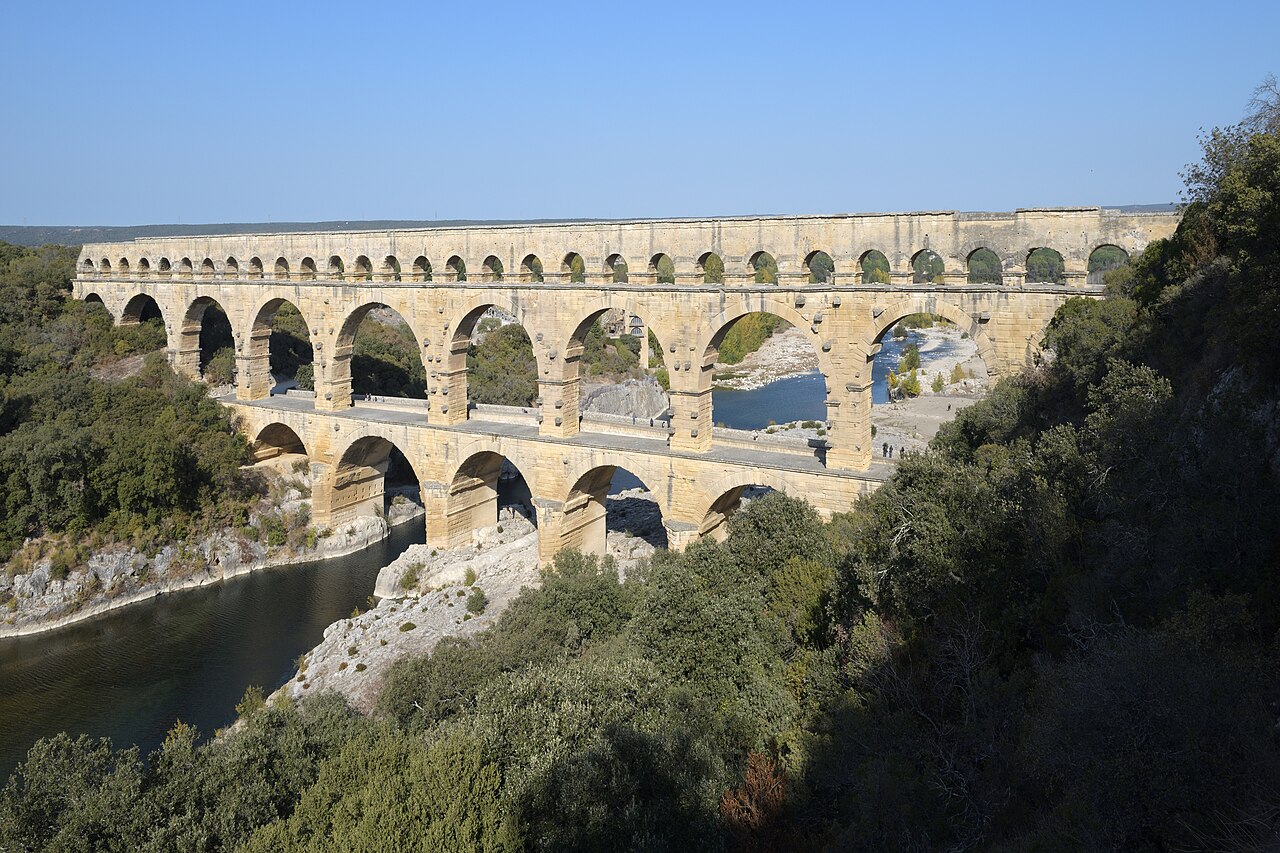
Check the schedule for your day, since some days are closed for events or rehearsals. If you are driving, combine Orange with the wine villages of Châteauneuf-du-Pape, which lie between the two towns, or with the Pont du Gard for a full Roman day.
For a fuller picture, spend a few minutes in the museum before you leave. The marble cadastral plans, which recorded land ownership for the colony's veterans, are among the largest such documents to survive and show how seriously Rome organised its new territories. Upstairs and in the side rooms you will find sculpture, friezes and small objects that show daily life in the colony.
If you want a meal, the old town has several simple restaurants serving local dishes, and the pedestrian lanes behind the theatre are pleasant to explore. A car is useful but not essential, because the sights are all in walking distance of the station and the main square.
What to expect
The experience
A self-guided visit to the theatre auditorium and the museum opposite, plus a walk to the triumphal arch on the northern edge of town.
Best time
Late morning on a dry day, before the stone cools in the afternoon shade.
How long
Two hours for the theatre, museum and arch.
Tips
Winter hours are shorter than summer, the theatre can close for events, and the stone seats are cold and breezy, so layer up.
Quick picks
- Best for
- Anyone who wants to see a Roman theatre that still looks like a theatre.
- Families
- Lots of steps to climb and an echoing stage to test, though the tiers are steep, so hold small hands.
- Couples
- A quiet winter visit, then lunch in the old town and a stroll up the hill park.
- Pair with
- Châteauneuf-du-Pape, the Pont du Gard and the Palais des Papes.
- Time needed
- Two hours.
Good questions
How far is Orange from Avignon?+
About thirty minutes by car, and there is a regular train that takes a similar time. The theatre is a short walk from the town centre.
What makes the theatre special?+
Its stage wall, about thirty-seven metres high, is the only Roman theatre wall of its kind to survive almost complete, and it is part of the World Heritage designation.
Can I see the Triumphal Arch for free?+
Yes, the arch stands on a roundabout at the northern edge of town and can be viewed from the roadside at any time without a ticket.
Is it open in November?+
It is open on winter hours, which are shorter than in summer. Some days close for events, so check the schedule before you go.
How long should I allow?+
Allow about two hours for the theatre, the museum opposite and the walk to the arch, plus time for lunch in the old town.