Puebla is a year-round destination, but the experience changes with the seasons. The city sits at about 2,100 metres above sea level, which keeps temperatures mild, and the weather follows a clear pattern of dry and rainy seasons. Festivals and food seasons add their own reasons to pick one time over another. This guide explains what each part of the year offers so that you can match the trip to your priorities.
The dry season: November to March
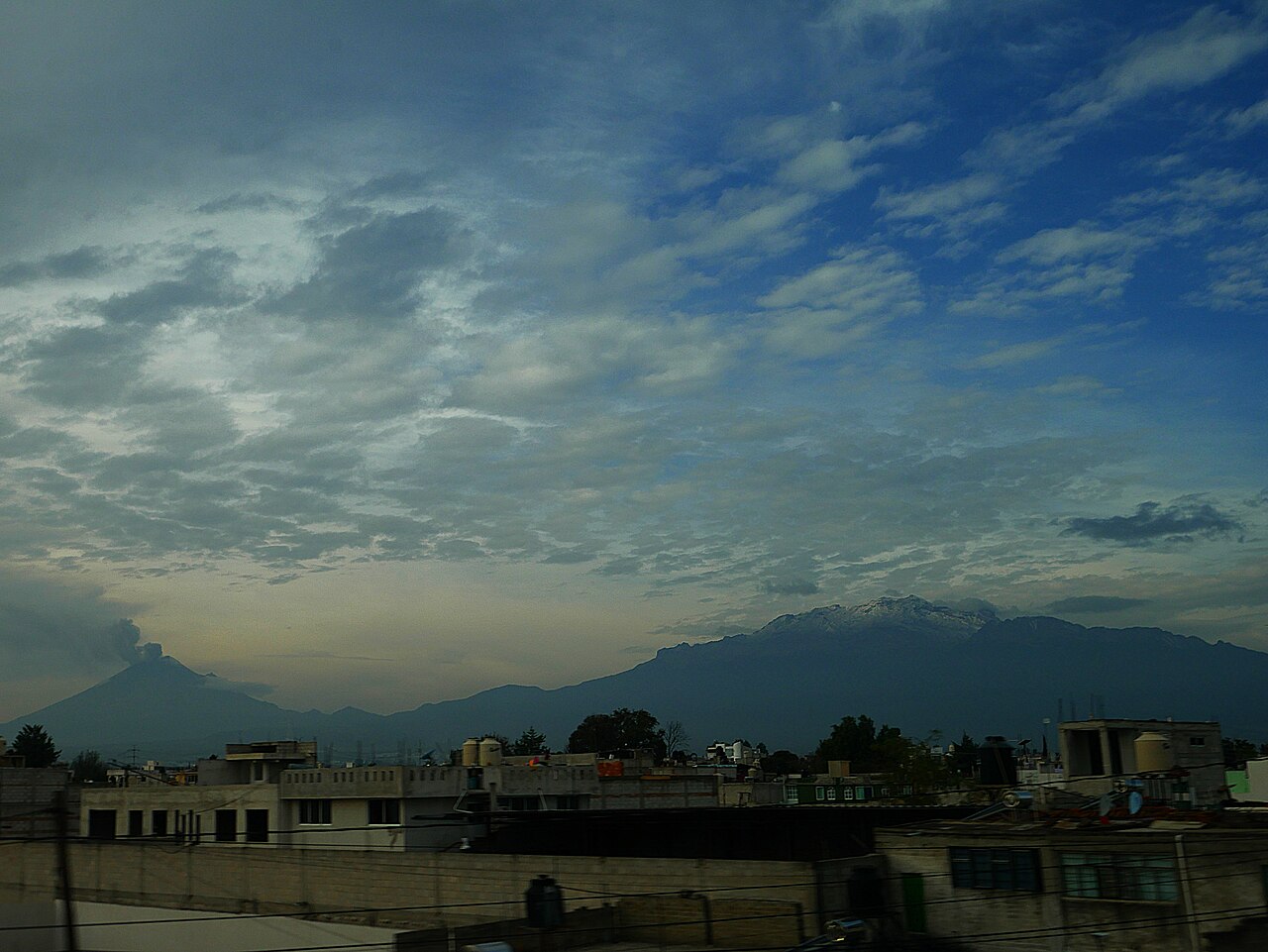
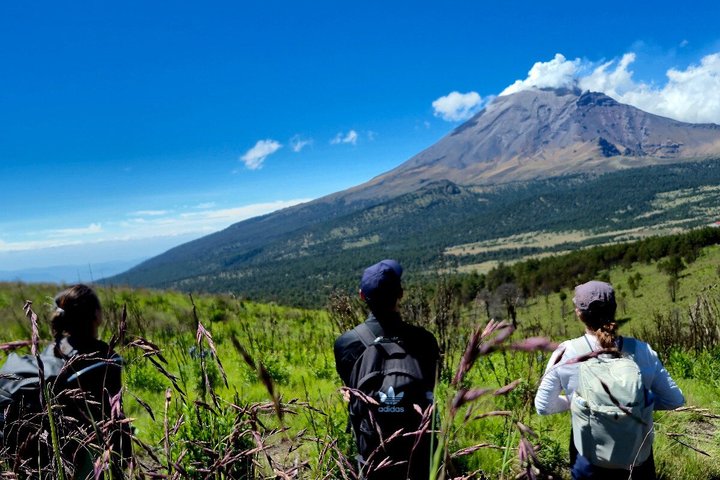
This is the most dependable time for sightseeing. Skies are usually clear, mornings and evenings are cool and afternoons are pleasant, which makes it ideal for walking the historic centre and for climbing the pyramid at Cholula. It is also the best period for volcano views, since Popocatépetl and Iztaccíhuatl are most often visible on crisp mornings. Pack a warm layer for evenings, which can be cold, and a jacket for early starts. If you plan a hiking day on Iztaccíhuatl, this is the best window, although mornings on the mountain can be freezing and snow is possible on the high ground.
Spring: April and May
Temperatures rise and the days are warm and sunny, with the sun strong at altitude. Early May is the busiest period in the city because of the commemorations of the Battle of Puebla on the fifth of May, which include parades and events and fill hotels. If you want to see the celebrations, book your room well ahead. If you prefer quiet streets, aim for the weeks before or after.
The rainy season: June to October
Afternoon showers are common, often arriving after a clear morning, so plan outdoor sights early and keep museums and long lunches for the afternoon. The hills turn green, crowds are thinner and hotel rates can be lower. Volcano views are less reliable in this season, as cloud often hides the peaks, so do not count on them. Bring a light rain jacket or umbrella and shoes that cope with wet cobbles.
The chiles en nogada season
Late summer, roughly August and September, is when Puebla's most celebrated seasonal dish appears: a stuffed poblano chile covered in walnut sauce and pomegranate seeds. Food lovers often plan their visit around it, and the best restaurants fill quickly, so book ahead. This overlaps with the rainy season, which is a small price to pay for the dish.
September festivals
Atlixco hosts a large cultural festival in September, with music, dance and processions, and Independence Day celebrations on the fifteenth and sixteenth fill the squares of Puebla with colour. Expect crowds, and book accommodation early if you plan to be in town.
Day of the Dead: late October and early November
This is one of the most atmospheric times to visit. Altars, flower displays and special breads appear across the city and in the surrounding towns, and Atlixco is known for its floral decorations. Hotels are busy, and respectful behaviour is important at cemeteries and family altars, where visitors are guests at a deeply personal event.
Christmas and the year-end holidays
Lights decorate the Zócalo and the historic centre, and local traditions such as posadas and seasonal sweets add to the mood. The period is popular with Mexican visitors, so book hotels and tours early, and expect busy restaurants.
Practical tips for any season
The sun is strong at altitude, so bring sunscreen and a hat even when it feels cool. Evenings are usually chilly, so carry a layer. Drink plenty of water as you adjust to the elevation, and check the latest travel advice and volcano alerts before you go. Weekdays are quieter than weekends in the centre, and long holiday weekends fill hotels across the city.
Altitude and daily rhythm
Whatever the season, the day has a predictable shape. Mornings are bright and cool, midday is warm and bright, and afternoons can turn cloudy in the wet months, so start sightseeing early, break for a long lunch and plan museums or churches for the afternoon. Evenings in the Zócalo are lively year-round, with families, music and street vendors, and they are one of the most pleasant parts of any visit.
The short answer
For clear skies and volcano views, go between November and March. For food, aim for late summer. For atmosphere, choose Day of the Dead. For fewer crowds and better rates, visit in the rainy months and start each day early.