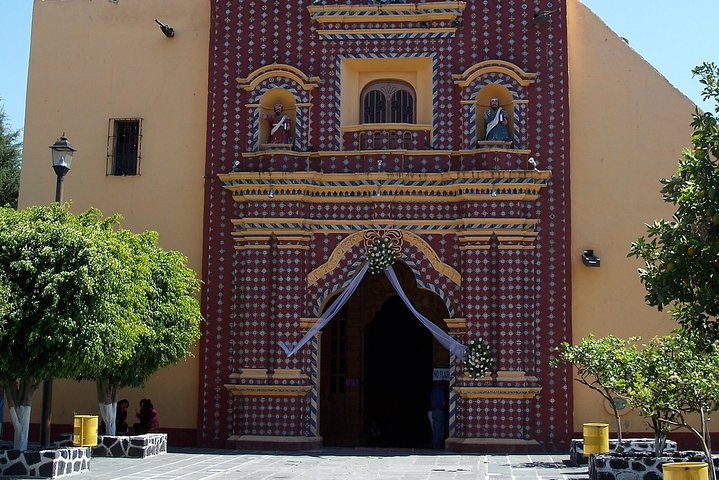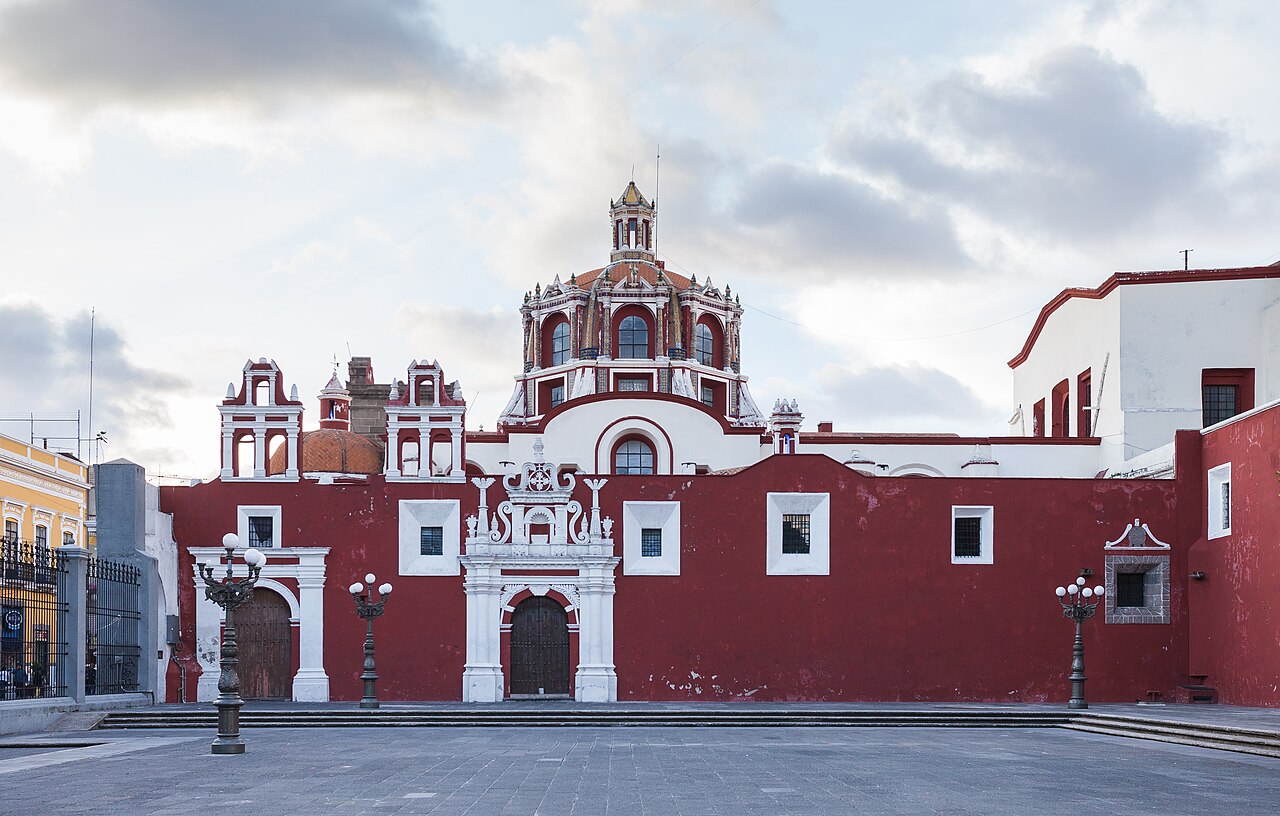
Puebla is a colonial city of tiled facades, baroque churches and great food, set in a high valley beneath two volcanoes. Its UNESCO-listed historic centre is flat and walkable, and Cholula, with the widest pyramid on Earth, is a short ride away. Two full days covers the highlights, three lets you add Cholula properly and a fourth gives you time for the forts, a safari day or a slow food crawl. This guide covers the essentials of a first visit and focuses on Puebla city, Cholula and the volcano views.
Book ahead
Most of the centre needs no booking, but a few things are worth arranging. Reserve your hotel early for long weekends, the Cinco de Mayo period and the year-end holidays. Book a guided walking tour or a food tour for your first morning, since both double as orientation, and arrange Africam Safari with transport if you want a family day without a car. Check the opening days of museums, because Museo Amparo closes on Tuesdays and the Loreto fort lists limited days.
Getting around
The historic centre is best explored on foot, and taxis and ride-hailing cars are inexpensive for the forts, Africam Safari and Cholula. Local buses and shared vehicles serve Cholula, and many tours collect from central hotels. Most visitors arrive from Mexico City by road, and the journey is straightforward, so ask your hotel about transfers if you do not want to use public transport.
Day one: the historic centre
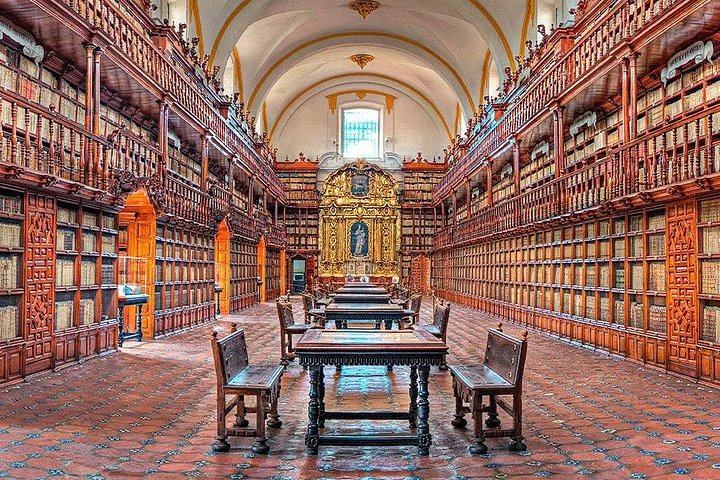
Start at the Zócalo and the cathedral, then walk to the Capilla del Rosario, with its gold-leaf interior, and the Biblioteca Palafoxiana, founded in 1646. Join a walking tour in the morning if you want context, and finish in the artists quarter around the Callejón de los Sapos, where antique shops and cafés fill the streets. Have dinner under the portales and enjoy the evening paseo.
Day two: Cholula
Go in the morning to the Great Pyramid and its hilltop church, then wander through San Pedro Cholula and have lunch on the square. On clear mornings the volcanoes are visible from the top, especially in the dry season. The archaeological zone has been listed as open from Wednesday to Sunday, so plan around that, and check the status of the tunnels before you count on them.
Day three: museums, food and forts
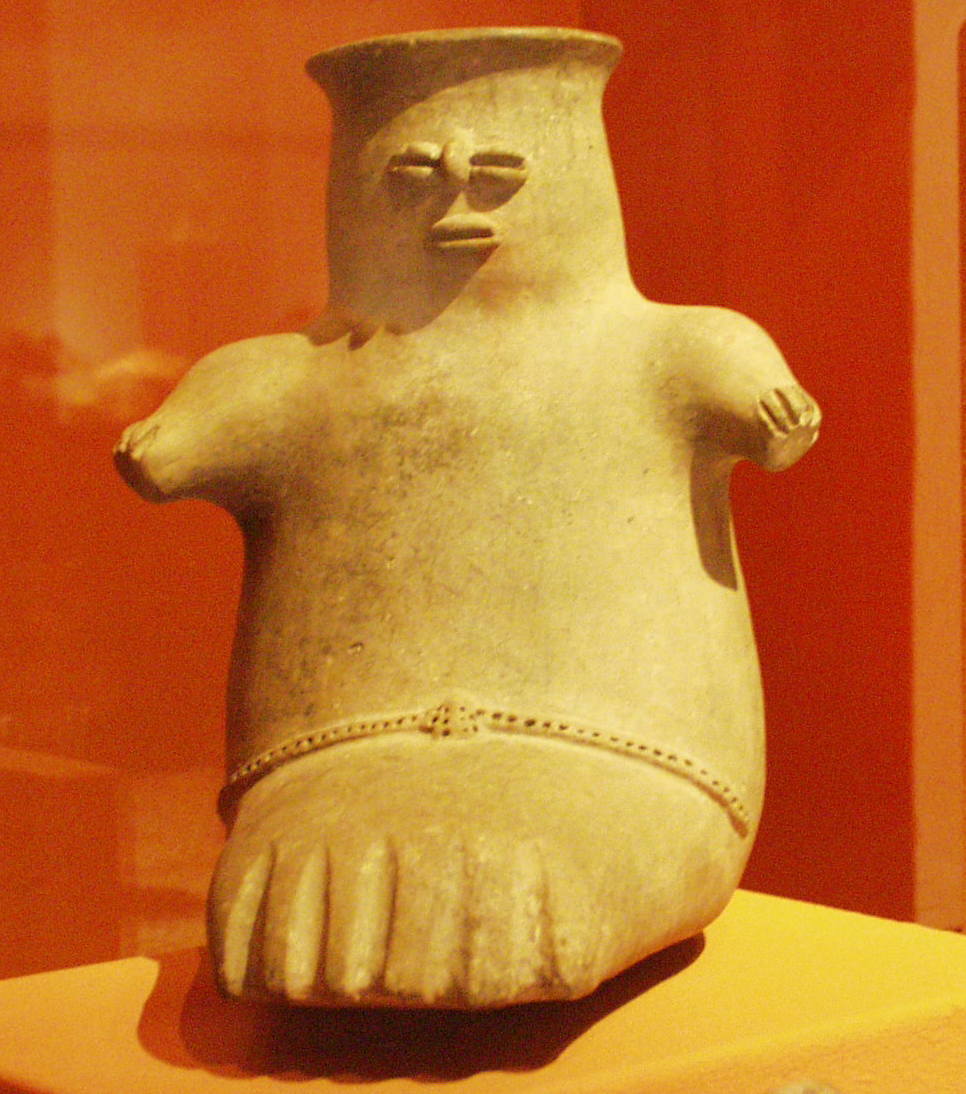
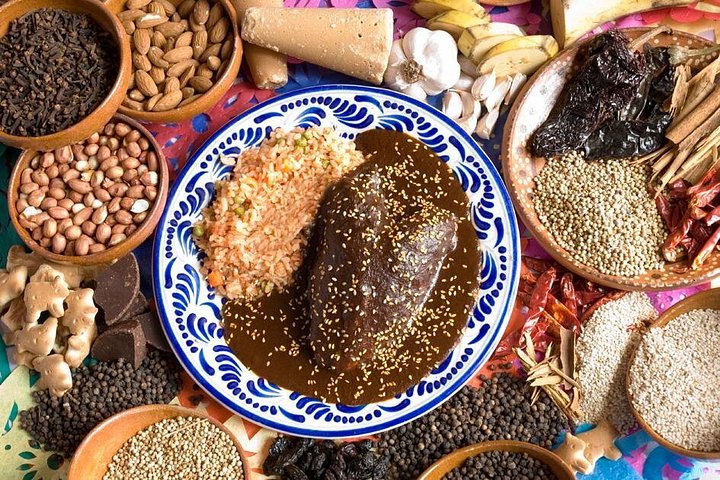
Spend the morning at Museo Amparo, which has a strong pre-Hispanic collection and a terrace café, then take a food tour to taste mole poblano, cemitas and sweets. If you are interested in history, take a taxi to the Loreto and Guadalupe forts, where the Battle of Puebla took place in 1862. Families may prefer a day at Africam Safari instead.
The volcanoes
Popocatépetl is active, and authorities keep a twelve-kilometre safety zone around the crater. Enjoy the views from Cholula, rooftops in the centre or towns such as Atlixco, and check alerts from CENAPRED before you plan any trip toward the mountain. Dry-season mornings give the clearest views.
When to go
The dry season from roughly November to March has clear skies, cool mornings and pleasant afternoons. The rainy months bring green hills, afternoon showers and fewer crowds, and chiles en nogada appear in the late summer. Early May is busy because of the Cinco de Mayo events.
Good to know
Puebla sits at about 2,100 metres, so the sun is strong and evenings can be cool. Carry some pesos for markets and small shops, drink purified water and keep valuables close in crowds. Government travel advisories for Mexico vary by state, so check the current guidance for Puebla before you travel.