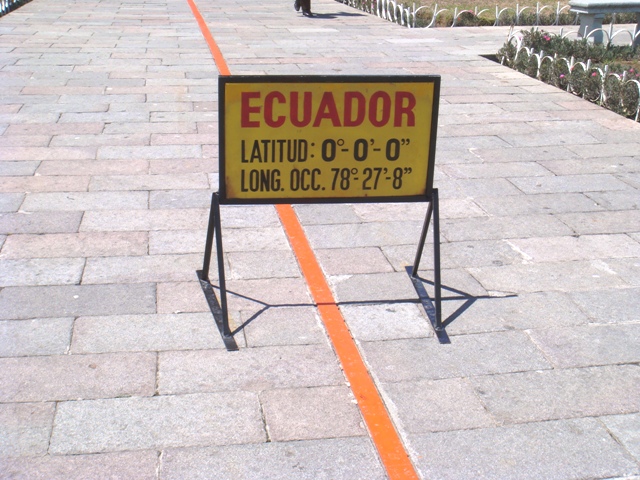
Pululahua is a collapsed volcano a short drive north of the capital, close to the equator monument, and it is one of the most striking sights within easy reach of Quito. The caldera is roughly five kilometres across, with steep green walls that drop several hundred metres to a flat floor of small farms, domes of newer volcanic rock and a scatter of homes, which makes it an unusual place where people still live and grow crops inside a volcano. The reserve around it is protected as a geobotanical area, and the cloud and sun combine to give it an unusual microclimate that supports plants you do not find on the cold slopes above. Most visitors arrive at the Ventanillas viewpoint on the rim, where a window in the crater wall opens onto the whole bowl, and on a clear morning the view is superb. From the rim a footpath descends to the floor, and fitter travellers can walk down and be collected at the bottom. Horse riding inside the crater is also popular. It pairs naturally with the Mitad del Mundo monument, since the two sit only a few minutes apart, and many half-day tours combine them in a single outing from Quito.
Why go
The setting is the draw. Standing on the rim at the viewpoint, you look down into a green amphitheatre ringed by ridges, with the central domes sitting like islands in the middle. Because the crater wall faces the prevailing cloud, the bowl often fills with mist after late morning and the view can vanish completely, which is why guides and drivers aim to be on the rim early. When the cloud lifts or drifts, the effect is dramatic, and photographers tend to love the light.
How the visit works
The usual approach is a guided or private half-day trip from Quito that stops at the viewpoint, with an optional walk into the crater. The descent is steep but short, and the climb back is the hard part at altitude, so many people choose to walk down and arrange a pickup at the bottom rather than hiking both ways.
Tours that include the equator monument typically allow an hour or so at the crater, while hiking and horseback versions take longer, so check what your itinerary covers. The tour linked here pairs the crater with the Mitad del Mundo area as a private trip with a hike, and the guide handles the logistics.
What to bring
The rim sits at around 2,800 to 3,000 metres, so the altitude is similar to Quito, but the wind can be sharp and conditions change quickly. Wear layers, a hat and sun protection, bring water and carry a light rain jacket. Sturdy shoes matter if you plan to descend, since the trail can be slippery after rain.
Good to know
Entrance arrangements and any fees for the reserve depend on how you visit, and some tours include them while others do not, so ask when you book. Small restaurants and stalls near the viewpoint sell snacks and drinks, but facilities are simple. If the weather looks cloudy in the morning, a flexible operator may suggest swapping the order of your stops, which is a good sign.
Making the most of it
Bring binoculars for the crater floor and the birds that ride the updrafts along the rim, and allow time to simply sit and watch the cloud move across the walls. A quiet weekday morning gives the best chance of having the viewpoint largely to yourself.
What to expect
The experience
A guided half-day trip north of Quito with a stop at the crater rim viewpoint and, if you choose, a walk down toward the floor of the caldera.
Best time
Early morning, before cloud fills the crater. Clearer months are usually the drier ones, though mornings are often the best bet in any season.
How long
Allow three to four hours including the drive, longer if you add a hike or a horse ride.
Tips
Dress in layers, wear sturdy shoes if you plan to descend and keep water handy. The walk back up is tiring at altitude, so arrange a pickup at the bottom if you prefer.
Quick picks
- Best for
- Travellers who want a dramatic landscape close to the city without a full-day commitment.
- Families
- The viewpoint is easy for children, but the descent is steep and the return climb is hard work, so most families stay on the rim.
- Couples
- A quiet early start at the rim, followed by lunch near the equator monument, makes an easy shared morning.
- Pair with
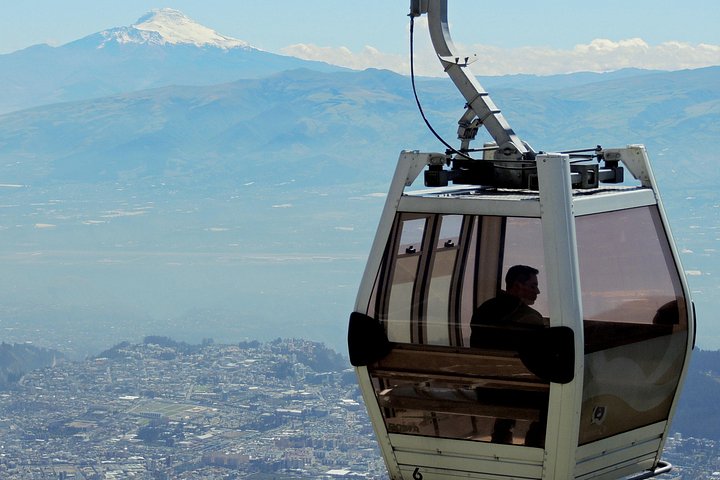
- Mitad del Mundo, which is only minutes away, and the TelefériQo on another morning for a second big view.
- Time needed
- Half a day, including the drive from Quito.
Good questions
Do people really live inside Pululahua?+
Yes. The crater floor has small farms and a few homes, which is part of what makes it unusual. The area is protected, so development is limited.
What is the best time of day to visit?+
Go in the morning. Cloud often rolls into the bowl by late morning or midday and can hide the view entirely, so earlier arrivals have the best chance of a clear look.
Can I hike down into the crater?+
Yes, there is a footpath from the rim to the floor. It is steep, and the climb back at altitude is tiring, so many visitors walk down and arrange to be collected at the bottom.
Can I combine it with the equator monument?+
Yes, the two are only a few minutes apart and many half-day tours from Quito visit both. Ask your operator which order they use, since the crater is best seen early.
Is it worth going if the weather is cloudy?+
Conditions change quickly, and cloud sometimes lifts for a while. A flexible guide may reorder the stops, but if you want the view, choose a morning that starts clear.