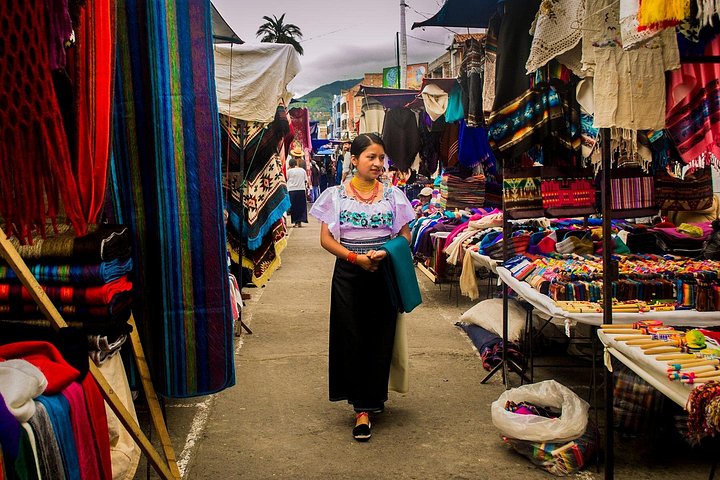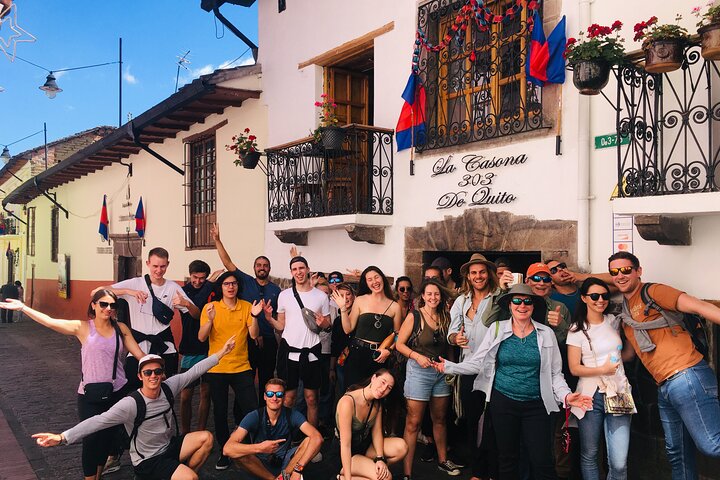
Quito's food reflects the Andes, the Pacific coast and the Amazon, and the capital is a good place to sample all three. The cooking is hearty, built around potatoes, corn, beans, cheese and pork in the highlands, with lighter seafood dishes from the coast and tropical fruit that you may never have tasted. A good first step is a guided food walk through the Old Town, which gives you the names and the courage to order later on your own.
Andean classics
Start with locro de papa, a thick potato soup finished with cheese and often served with avocado, and which is the dish most often recommended as a first taste of highland cooking. Look for empanadas de viento, the large, puffed cheese pastries dusted with sugar, and humitas, steamed fresh-corn cakes wrapped in leaves. Hornado, slow-roasted pork served with potato pancakes called llapingachos, is a weekend favourite, and fritada, chunks of fried pork with hominy and plantain, is its close cousin. Cuy, roasted guinea pig, is a traditional celebration dish and appears on some menus, though it is not for everyone.
From the coast and the jungle
Ecuadorian ceviche is different from the Peruvian version, often served with a juicy, tangy broth, popcorn and toasted corn on the side, with shrimp the most common choice. Encebollado, a fish soup with onion and yuca, is a coastal dish that locals swear by as a remedy for the morning after. Amazonian flavours appear in fruit juices and desserts, so try naranjilla, tree tomato and passion fruit when you see them.
Seasonal treats
Some foods are tied to the calendar. Fanesca, a rich soup made with a dozen kinds of grain and beans and salted fish, is eaten around Easter. Colada morada, a warm, spiced purple-corn drink served with sweet bread figures, appears around the Day of the Dead in early November. If your visit coincides, they are worth seeking out, and locals will happily explain the tradition.
Chocolate and coffee
Ecuador grows some of the world's most prized cacao, and Quito has a good number of small chocolate makers who turn it into bars and drinks. A tasting or a short workshop is a fun way to learn how beans become chocolate. Highland and cloud-forest coffee is also worth sampling, and many cafes in the Old Town and in neighbourhoods like La Floresta pride themselves on carefully roasted local beans. Mindo and the surrounding forest produce both cacao and coffee, and day trips there often include a tasting.
Drinks
Try canelazo, a warm cinnamon drink made with sugarcane spirit, on a chilly evening, and fruit juices at any market. Quito also has a growing craft beer scene, with small breweries and taprooms in the Old Town and the modern districts, and tasting tours are an easy way to try several in one outing. Keep in mind that alcohol hits harder at altitude, so go slowly, especially in your first days.
Where to eat
Markets give the best value, with stalls serving soups, roasted pork and juices at low prices. In the Old Town, small family restaurants near the main plazas serve set lunches, known as almuerzos, with soup, a main dish and a drink, and La Ronda has places to try snacks and sweets in the evening. For a fine-dining meal, restaurants in historic houses and rooftop terraces offer modern Ecuadorian cooking with a view. If you have dietary needs, tell the staff clearly, and expect to hear about meat and cheese in many dishes.
Food safety and common sense
Stick to busy stalls with a high turnover, drink bottled or purified water, and ease into rich foods at altitude. A cooking class is another good way to learn, and many include a market visit and a meal at the end.
A simple eating plan
For a first visit, pair a food walk on day one with a market lunch on day two and a special dinner in a restored colonial house on the last night. Breakfast is often a savoury affair of eggs, bread, cheese and fresh juice, and mid-afternoon is a good time for coffee with a pastry. Dinner tends to be earlier than in some countries, so do not expect everything to be open late outside the main restaurant areas. Tipping is customary at sit-down restaurants, and many bills include a service charge, so check before adding more. Learning a few Spanish food words goes a long way, and menus in family restaurants are often only in Spanish.