Many visitors come to Quito for its churches and volcanoes and leave talking about something smaller: a plate of food they cooked themselves, a bar of chocolate that tasted of flowers, a mural that stopped them in the street. The capital is full of experiences that ask you to taste, make and look closely rather than simply tick off a sight. This guide gathers the best of them and explains how to fit them around a classic itinerary. Why hands-on experiences suit Quito. The altitude can make busy sightseeing days tiring, and a slower, seated or lightly active experience is a welcome change of pace. They are also largely indoors or close to the city, so they work in all weather, and they connect you with local people in a way that a monument cannot. Many of the best ones take place in the afternoon, which leaves your mornings free for the old town or a viewpoint. Cook an Andean meal. A cooking class is the best way to understand Ecuadorian food. You work alongside a local host, learn about ingredients such as potatoes, corn, fresh cheese, chilli sauces and tropical fruit, and then sit down to eat what you have made. Dishes vary by host and season, and menus can usually be adapted for vegetarians. It is a lovely activity for couples and families, and you go home with recipes you can actually use. Tell the host about allergies at the start, and arrive a little hungry. Taste Ecuadorian chocolate. Ecuador is known for fine cacao, and a chocolate experience explains the journey from pod to bar before you taste a range of products. You learn how fermenting, drying and roasting shape flavour, and you compare different strengths side by side. Many producers sell bars, which makes an easy gift to pack. If you plan to visit the Mindo cloud forest, where chocolate farms are a common stop, a session in the city gives helpful background first. Walk the street art. Quito's colonial centre is only one face of the city. A street art tour leads you through neighbourhoods where murals and stencils speak about Andean identity, politics and humour, and a guide supplies the stories behind each piece. It is a good second or third day activity, particularly for photographers and teenagers, and it pairs naturally with a coffee stop or a market visit. Wear comfortable shoes, because slopes feel steeper at altitude. Add a food walk. If you want to eat your way around the Historic Centre, the Old Town food walk is the classic. It combines tastings with history and gives you a list of places to return to. Put it early in your stay, because it helps you decide where to eat for the rest of the trip. A cooking class works well a day or two later, once you recognise the dishes. Visit a rose farm. Ecuador is one of the world's major rose growers, and the highlands around Quito provide the altitude, light and climate that produce long-stemmed blooms. A rose farm day, often combined with a horseback ride, lets you see how flowers are cut, graded and packed, and then enjoy the countryside. It is relaxed and scenic, and especially charming around Valentine's Day and Mother's Day, when the farms are at their busiest. Mention pollen allergies in advance. Build a hands-on day. A compact plan might be: a morning in the Historic Centre, lunch near La Ronda, a chocolate tasting at mid-afternoon and a cooking class in the early evening, ending with dinner you made yourself. Another day could be a morning street art walk, a market visit and a long lunch. If you prefer fewer transfers, choose one hands-on experience per day and leave space to wander. Practical tips. Book classes and tastings a few days ahead, especially at weekends, since groups are small. Check the languages offered, the group size, what is included and the cancellation policy. Mention dietary needs, allergies and mobility requirements when you reserve. Bring cash for markets and small purchases, and carry a light layer, because Quito evenings are cool. Who it suits. These experiences are well suited to couples, families with curious children, food lovers, photographers and anyone who has already seen the headline sights. They also make good rainy-day plans and rest-day options between volcano excursions. Used together with the Historic Centre, the TelefériQo and a day trip, they turn a good Quito trip into a rich, personal one.
Quito guide
Hands-On Quito
A guide to the hands-on side of Quito: Andean cooking classes, cacao and chocolate tastings, street art walks and a rose farm day, with advice on pairing them with sightseeing.
Mentioned in this guide
Andean Cooking Class in Quito
A hands-on class with a local host, where you cook Ecuadorian and Andean dishes from scratch and then sit down to eat them. A relaxed, filling way to spend an afternoon.
Ecuadorian Cacao and Chocolate Experience
A tasting-led introduction to Ecuador's fine cacao, from bean to bar. Short, sweet and a good fit for a free afternoon in the city.
Quito Street Art Tour
A guided walk through the murals and graffiti that colour parts of Quito, with the stories and artists behind them. A fresh side of the city beyond the churches.
Rose Farm and Horseback Ride
A private day trip to an Andean rose farm combined with a horseback ride. Gentle, scenic and a good fit for couples or small groups.
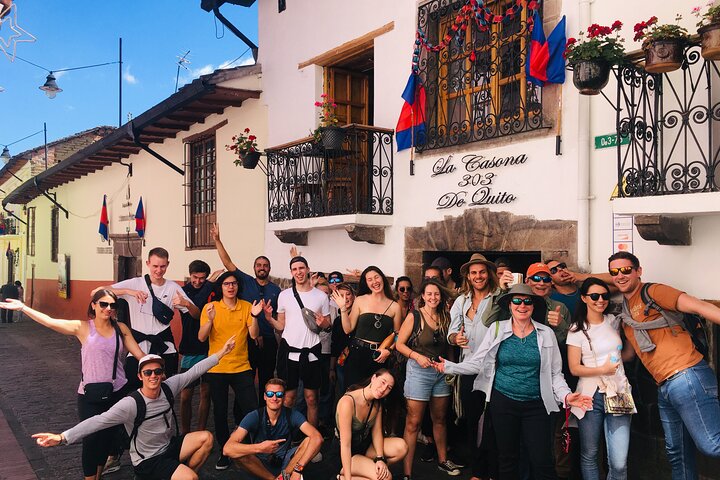
DoQuito Old Town Gastronomic and Cultural Walking Tour
A guided walk through the colonial centre with tastings along the way, from market snacks to local sweets and chocolate. One of the best-reviewed ways to see the old town, and a friendly introduction to Ecuadorian food.
 Stay
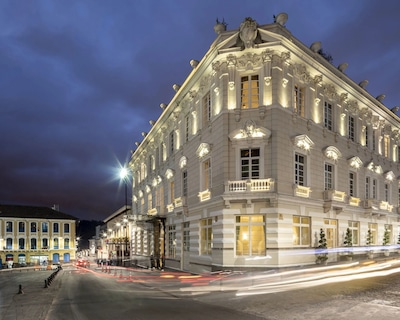
Casa Gangotena
A restored mansion on the corner of Plaza San Francisco, turned into a 31-room boutique hotel by Metropolitan Touring. The splurge in the Old Town, with a restaurant, terraces and views of volcanoes on clear days.
 Stay
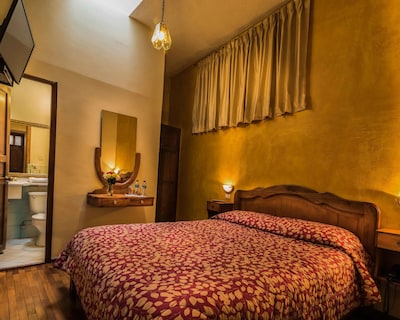
Hotel San Francisco de Quito
A well-placed 3-star hotel at Sucre Oe 3-17 y Guayaquil, about two minutes from Independence Square. It offers free breakfast, a rooftop terrace and a library in a restored colonial house.
Boutique Hotel Plaza Sucre
A 25-room boutique hotel in the Historic Centre with a bar-restaurant looking toward the Panecillo hill and Santo Domingo church. Breakfast and taxes are usually included, making it a charming mid-range option.