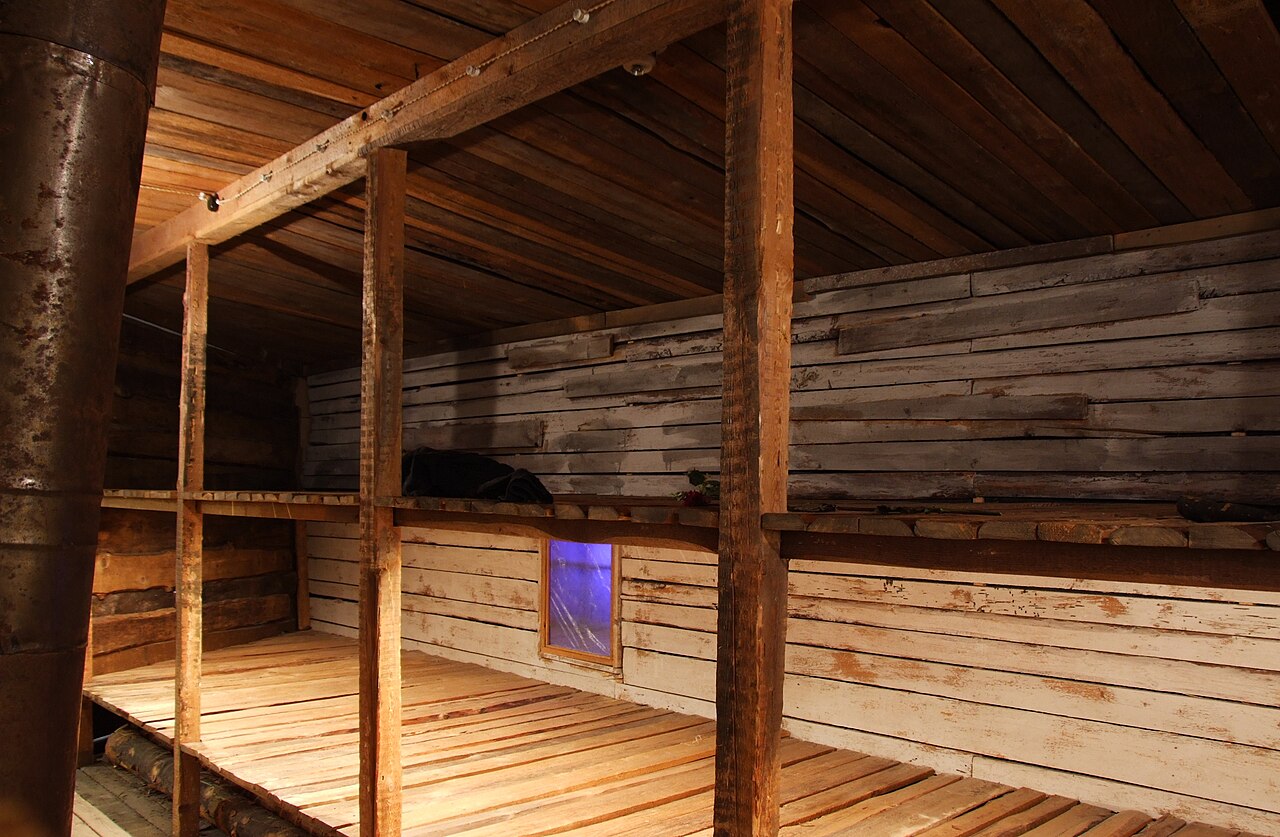
The Latvian Ethnographic Open-Air Museum sits among pine woods on the shore of Lake Jugla, on the eastern edge of Riga, a short drive or bus ride from the centre. Founded in 1924, it is one of the oldest open-air museums in Europe, and it gathers more than a hundred historic buildings from the country’s regions: wooden farmsteads from Kurzeme, Vidzeme, Latgale and Zemgale, a windmill, a pub, a wooden church, fishermen’s houses from the coast and workshops for crafts. Each is furnished with the tools and household goods of its period, so you can see how Latvians lived, worked and prayed from the seventeenth to the early twentieth century. Walking the shaded paths between the buildings feels like crossing the country on foot, from the sea to the eastern hills, in a single afternoon.
What to expect
The museum covers a large site, so plan on at least two to three hours and wear comfortable shoes. Guides in some buildings, particularly in summer, explain the furnishings and demonstrate crafts such as pottery, weaving or bread baking, and the church and the pub add atmosphere. Interiors are often open in the warmer months and more limited in winter, so check what is open if you are visiting out of season.
Events
The museum is best known for its calendar of traditional festivals. A large summer fair in early June fills the grounds with craftspeople and food stalls, midsummer celebrations bring songs, wreaths and bonfires, and winter and Christmas events offer a quieter, atmospheric visit. These are popular and can be crowded, so go early in the day if you want space.
Getting there
Public buses run from the centre of Riga, and a taxi is cheap and quick. Some day tours combine the museum with the Riga Motor Museum, which suits visitors who want a mix of folk history and vintage cars. Visitors with children enjoy the animals, the open space and the playful scale of the old houses.
Tips
Bring a layer, as the site is open and exposed, and carry water in summer. There are cafés and picnic areas, and the lakeside is pleasant for a rest. Paths are mostly on soft ground, which can be muddy after rain.
Making the most of it
Go on a dry day, begin with the coastal and farmstead sections and finish at the church and the lake. Combined with the city sights, the museum gives a rural counterpoint to the Old Town and answers the question of how most Latvians lived before the cities grew.
What to expect
The experience
A self-guided walk through rebuilt farmsteads, a church, windmills and workshops, with guides and craft demonstrations in season.
Best time
A dry day in summer, or during a festival such as the early June fair.
How long
Two to three hours, more if you add the lakeside.
Tips
Wear comfortable shoes, check which interiors are open and bring a layer.
Quick picks
- Best for
- Families and anyone curious about rural Latvian life.
- Families
- Space, animals and little houses that children love.
- Couples
- A relaxed afternoon walk by the lake.
- Pair with
- The Riga Motor Museum on a combined trip, or the Central Market for lunch.
- Time needed
- Half a day.
Good questions
Where is the Open-Air Museum?+
On the shore of Lake Jugla on the eastern edge of Riga, a short bus or taxi ride from the centre.
How long should I allow?+
At least two to three hours, longer if you linger or visit during an event.
Is it open in winter?+
The grounds generally are, but fewer building interiors open, so check before you go.
What events does it hold?+
A large summer fair, midsummer celebrations and Christmas events, among other seasonal festivals.
Is it good for children?+
Yes, the open space, animals and small historic houses suit families well.