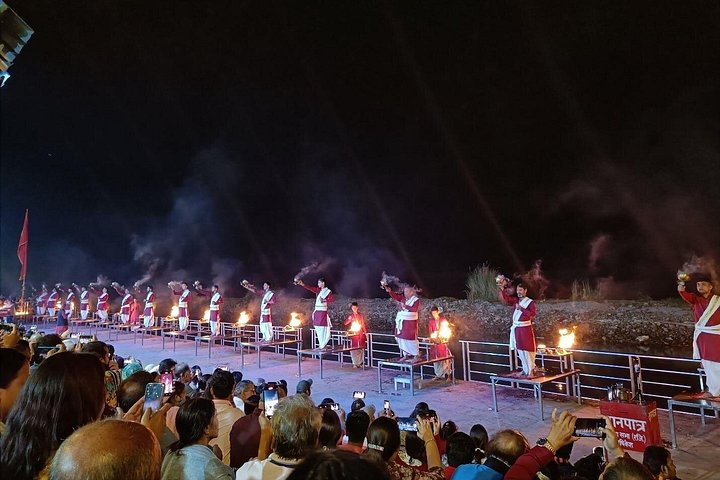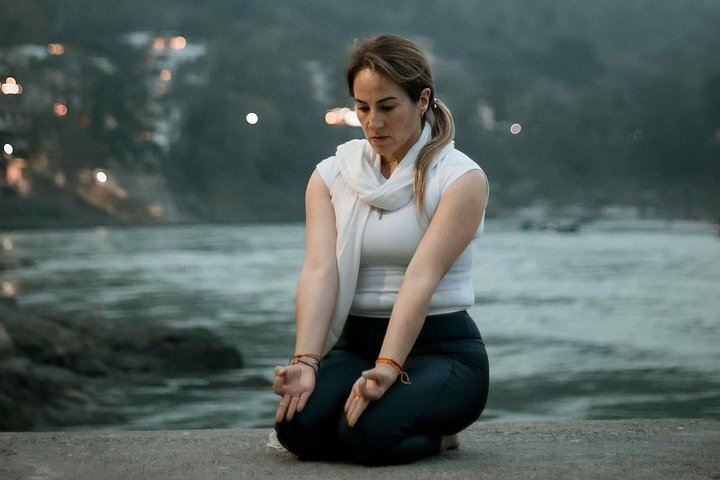
Rishikesh is a town of ashrams, and a guided half-day tour is the easiest way to understand what that means. An ashram is a spiritual community where people live, study, practise yoga and meditation and take part in daily rituals, and the stretch of riverbank between Ram Jhula and Swarg Ashram holds a cluster of famous ones, among them Parmarth Niketan, the Sivananda Ashram and the Gita Bhawan area. Each has its own atmosphere: Parmarth Niketan is large and welcoming, with gardens, statues and a daily river ceremony, while others are quieter and more private. A guide can take you through the grounds that are open to visitors, explain the traditions, the schedules and the teachers whose names are on the walls, and show you the small shrines and shops that surround them. For many travellers this is the part of Rishikesh they came for, and a guide turns a confusing set of gates and courtyards into a coherent story about yoga, devotion and the river.
A typical half-day tour begins in the morning, when the ashrams are active and the light on the river is soft. You walk through gardens and courtyards, visit temples and meditation halls open to the public, and learn how a day is organised in a community that follows a daily rhythm of prayer, yoga, study and service.
Guides explain symbols you will see everywhere, such as the figures of Shiva and Hanuman, the meaning of Om, and the habit of ringing bells at doorways. Some tours also stop at a riverside ghat for a few minutes of quiet.
Visiting etiquette is part of the experience. Dress modestly with shoulders and knees covered, remove shoes at temples and many halls, speak softly, and ask before photographing people or shrines. Many ashrams do not charge entry but welcome small donations, and some offer paid accommodation, courses and meals. If you want to attend a yoga class or join a satsang, ask the guide how to arrange it, because rules and schedules differ from place to place. Ashrams may also close their gates to visitors at certain hours.
What a tour can and cannot do: it gives you an overview and helps you choose where to spend more time, but it does not replace staying at an ashram for several days. If that appeals, use the tour to compare atmospheres and ask about retreats. If you are on a tight schedule, it is a time-efficient way to see the best-known sites. The best time is morning or late afternoon, when it is cooler and the grounds are lively, with the evening ceremony as a natural finish.
Pair the tour with the walking route across the jhula bridges, a vegetarian lunch at a riverside cafe and an evening aarti. Spiritual traditions here are living ones, not museum displays, so go with curiosity and leave room for the unexpected conversation with a resident or pilgrim, which is often the most memorable part of the day.
Choosing a stop for longer
Many visitors use the tour to decide which ashram to return to for a class, a meal or an overnight stay. Parmarth Niketan runs a daily river ceremony and offers programmes for visitors, while smaller ashrams may be better for silence and study. Ask your guide about etiquette on photography in meditation halls, and carry a small amount of cash for donation boxes, since donations are how most ashrams keep their doors open to visitors.
What to expect
The experience
A guided walk through several ashrams and riverside temples, with commentary on yoga, rituals and daily life.
Best time
Morning or late afternoon, when the ashrams are active and the air is cool.
How long
Three to four hours.
Tips
Cover shoulders and knees, carry small change for donations, and ask before taking photos.
Quick picks
- Best for
- Travellers who want to understand Rishikesh before choosing a yoga class or retreat.
- Families
- Suitable for older children who can be quiet in sacred spaces.
- Couples
- A calm, reflective morning together.
- Pair with
- The evening aarti at Parmarth Niketan or Triveni Ghat.
- Time needed
- Half a day.
Good questions
Which ashrams will we visit?+
Routes vary, but they commonly include large ashrams around Swarg Ashram and Ram Jhula, such as Parmarth Niketan. Ask the operator for the planned stops.
Do ashrams charge entry?+
Many do not charge entry for visitors but welcome donations, and some charge for courses, rooms or meals.
Can I join a yoga class?+
Some ashrams offer classes to visitors, and your guide can explain how to join, though schedules and rules vary.
What should I wear?+
Modest clothes covering shoulders and knees, and shoes that slip off easily.
Is it appropriate for children?+
Yes, if they can keep quiet and respect the setting. Check the pace with the operator.